
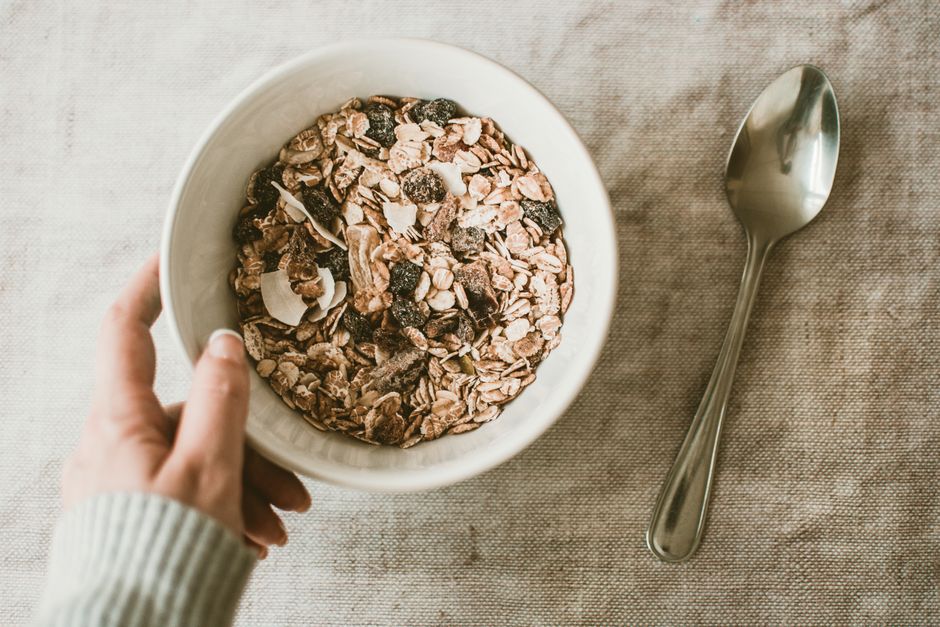
Your gut holds trillions of bacteria, and what you feed them matters more than almost anything else you do for your digestive health. Fiber feeds the bacteria already living in your gut, while probiotics add new bacteria from outside. Most nutrition scientists consider fiber the more important of the two for long-term gut health, because it supports the bacteria you already have. Probiotics can help in specific situations, but they are not a daily requirement for most healthy adults.
What Helps With Gut Health: Fiber, Probiotics, and More
The single most reliable way to support your gut is eating enough fiber from a variety of plant foods. Your gut bacteria ferment certain types of fiber and produce short-chain fatty acids, including butyrate, acetate, and propionate. These compounds feed the cells lining your colon and help maintain the gut barrier.
Probiotics work differently. They introduce live microorganisms — mostly strains of Lactobacillus and Bifidobacterium — that may temporarily colonize your gut or pass through while producing beneficial compounds along the way. For most people, probiotic bacteria do not take up permanent residence. They are visitors, not residents.
That distinction matters. Fiber changes the environment your native bacteria live in. Probiotics add temporary guests. Both can help, but they are not interchangeable.
How Much Fiber Do You Actually Need?
Most adults need 25 to 38 grams of fiber per day, depending on age and sex. The Dietary Guidelines for Americans set 25 grams for women and 38 grams for men under age 50, with slightly lower targets after age 50.
Most Americans get about 15 grams per day. That gap is one of the most consistent findings in nutrition research, and it likely matters more for gut health than any supplement you could buy.
What About Probiotic Foods?
Fermented foods like yogurt with live cultures, kefir, kimchi, sauerkraut, and miso contain live bacteria. Some research suggests these foods may support gut microbiome diversity. A small study from Stanford published in the journal Cell found that a diet rich in fermented foods increased microbiome diversity and decreased markers of inflammation in healthy adults. The study was small, and larger trials are needed before drawing firm conclusions.
Fermented foods are not the same as fiber. They may complement a high-fiber diet, but they do not replace it.
Does Fiber or Probiotics Matter More for Gut Health?
Fiber has the stronger evidence base for general gut health. The reason is straightforward: your gut bacteria need fuel to survive, and fiber is their primary food source.
When you eat fiber, certain bacteria break it down through fermentation. This process produces short-chain fatty acids that:
- Feed the cells lining your colon
- Help maintain the mucus layer that protects your gut
- Support a healthy immune response in the gut
- Lower the pH of your colon, which discourages harmful bacteria
Probiotics do not produce these effects directly. They may help in specific situations — like recovering from antibiotic-associated diarrhea or managing certain digestive conditions — but the evidence for general gut health in healthy adults is weaker.
A common misconception is that probiotics “repopulate” your gut permanently. For most strains and most people, this does not happen. Your existing bacteria are well-established and resist colonization by newcomers.
Which Types of Fiber Help Gut Bacteria Most?
Not all fiber is equal when it comes to feeding gut bacteria. The fibers that bacteria ferment are called fermentable fibers. These include:
- Inulin — found in chicory root, onions, garlic, and Jerusalem artichokes
- Beta-glucan — found in oats and barley
- Resistant starch — found in cooked and cooled potatoes, green bananas, and legumes
- Pectin — found in apples, citrus fruits, and carrots
- Arabinoxylan — found in wheat bran and whole grains
Insoluble fiber, found in foods like wheat bran and vegetable skins, adds bulk to stool and helps with regularity. It does not ferment much, but it still supports digestive health by keeping things moving.
The best approach is variety. Different fibers feed different bacteria. Eating a wide range of plant foods gives your gut a broader range of fuel.




Do Probiotic Supplements Actually Work?
Probiotic supplements work for some conditions and not others. The evidence is strongest for:
- Antibiotic-associated diarrhea — certain strains may reduce risk
- Some cases of infectious diarrhea in children
- Certain types of irritable bowel syndrome (IBS) — though results vary by strain
For general wellness in healthy adults, the evidence is much weaker. A 2020 review in the journal Gut found that probiotic effects are highly strain-specific. What works for one condition may do nothing for another. Even the same species can have different effects depending on the strain.
The supplement market is also loosely regulated in the United States. Not all products contain the strains listed on the label, and some contain fewer live bacteria than claimed. If you choose to take a probiotic, look for products that list specific strains and have third-party testing.
What Else Supports Gut Health Besides Fiber and Probiotics?
Fiber and probiotics get most of the attention, but several other factors shape your gut microbiome.
Prebiotics
Prebiotics are types of fiber that specifically feed beneficial bacteria. Inulin and oligofructose are common examples. They are technically a subset of fiber, so eating enough fiber-rich foods usually covers your prebiotic needs.
Polyphenols
These plant compounds, found in berries, dark chocolate, coffee, and tea, may support gut bacteria. Some research suggests polyphenols can increase beneficial bacteria and reduce harmful ones. The evidence is promising but not yet definitive.
Fermented Foods
As mentioned, foods like yogurt, kefir, and kimchi contain live bacteria. They may support microbiome diversity, though the research is still developing.
Sleep and Stress
The gut and brain communicate through what researchers call the gut-brain axis. Chronic stress and poor sleep may negatively affect gut bacteria. The mechanisms are not fully understood, but the association appears consistent across studies.
Antibiotic Use
Antibiotics can disrupt gut bacteria, sometimes for months. They are sometimes necessary, but using them only when truly needed helps protect your microbiome.
Can You Get Too Much Fiber or Probiotics?
Yes, in certain situations.
Increasing fiber too quickly can cause bloating, gas, and cramping. This happens because your gut bacteria suddenly have more fuel than they are used to. The fix is to increase fiber gradually over several weeks and drink plenty of water.
Some people with IBS or certain digestive conditions may need to limit specific types of fiber. A low-FODMAP diet, for example, temporarily restricts fermentable fibers that can trigger symptoms. This should be done with guidance from a healthcare provider or registered dietitian.
Probiotic supplements are generally considered safe for healthy people, but they can cause mild digestive side effects like gas or bloating. People with weakened immune systems or serious underlying health conditions should talk to their doctor before taking probiotics, because live bacteria can cause infections in rare cases.
The Bottom Line on Fiber, Probiotics, and Gut Health
If you want to support your gut, start with fiber. Aim for 25 to 38 grams per day from a variety of plant foods. This feeds the bacteria you already have and supports the environment they live in.
Probiotics can help in specific situations, but they are not a daily requirement for most healthy adults. Fermented foods may complement a high-fiber diet, but they do not replace it.
The most effective approach is not choosing between fiber and probiotics. It is building a diet that supports your gut bacteria consistently over time. That means plenty of fiber, a variety of plant foods, and — if you choose to use them — probiotics with realistic expectations about what they can and cannot do.
Frequently Asked Questions
How much fiber should I eat daily for gut health?
Most adults need 25 to 38 grams of fiber per day, depending on age and sex. The Dietary Guidelines for Americans recommend 25 grams for women and 38 grams for men under age 50, with slightly lower targets after age 50.
Are probiotics necessary for gut health?
No, probiotics are not necessary for most healthy adults. Fiber from a varied diet is more important for supporting the bacteria already in your gut. Probiotics may help in specific situations like antibiotic-associated diarrhea or certain digestive conditions.
Can I take fiber and probiotics together?
Yes, fiber and probiotics can be taken together, and some research suggests they may work better in combination. Fiber feeds beneficial bacteria, while probiotics add temporary strains that may produce beneficial compounds.
What happens if I increase fiber too quickly?
Increasing fiber too fast can cause bloating, gas, and cramping. Increase fiber gradually over several weeks and drink plenty of water to help your gut adjust.
