
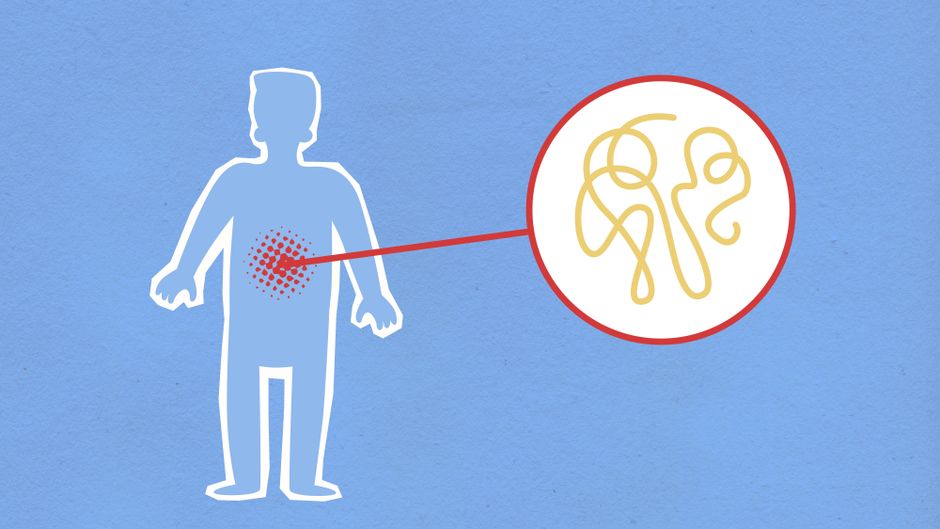
Your gut lining is one cell thick. It separates trillions of bacteria and partially digested food from your bloodstream. When that barrier works well, it lets nutrients through and keeps the rest out. When it becomes more permeable, some material that normally stays in the gut can cross into circulation. That much is real biology. The debate is about how often this happens, what causes it, and whether it explains the wide range of symptoms people attribute to it.
Is Leaky Gut A Real Thing What Science Says
The short answer: increased intestinal permeability is a measurable, documented phenomenon. “Leaky gut syndrome” as a standalone diagnosis with a defined set of symptoms and a standard treatment plan is not established in mainstream medicine.
These are two different claims, and they often get blurred together. Scientists have studied intestinal permeability for decades using tools like lactulose-mannitol ratio tests and tight junction protein assays. The evidence that the gut barrier can become more permeable under certain conditions is solid. What is not solid is the idea that this single mechanism explains fatigue, brain fog, joint pain, skin problems, and food sensitivities in otherwise healthy people.
So the honest position is this: the biology is real. The syndrome as popularly described is not a recognized clinical diagnosis. That gap matters because it affects how you interpret symptoms and what you do about them.
What Actually Happens In Your Gut Lining
Your intestinal lining is built from a single layer of epithelial cells joined together by protein structures called tight junctions. These junctions act like gates. They open and close constantly, allowing water and small molecules through while blocking larger particles, bacteria, and bacterial fragments.
This is not a passive wall. It is an active, regulated system. The gut lining decides what gets absorbed based on signals from your immune system, your nervous system, your hormones, and the bacteria living in your gut.
When tight junctions loosen, larger molecules can slip between cells. This is called the paracellular pathway. Some researchers measure this using sugar solutions — typically lactulose and mannitol — and comparing how much of each appears in urine. A higher ratio suggests more permeability.
What follows is where the science gets more complicated. When bacterial fragments like lipopolysaccharide cross into the bloodstream, the immune system responds. This can trigger low-grade inflammation. That part is well documented in research settings.
But here is the non-obvious part: increased permeability is often a consequence of inflammation, not the cause. In many conditions, the gut barrier breaks down because the immune system is already activated. It is a downstream effect, not always the starting point.
What Conditions Are Linked To Increased Intestinal Permeability
Research has found increased intestinal permeability in several conditions. The relationship is best described as an association, not proof of causation in most cases.
- Celiac disease. This is the strongest link. In active celiac disease, the immune reaction to gluten damages the gut lining and increases permeability. This is well established.
- Inflammatory bowel disease (IBD). Crohn’s disease and ulcerative colitis both involve barrier dysfunction. Whether permeability changes trigger flares or result from them is still studied.
- Type 1 diabetes. Some research suggests increased permeability may appear before clinical onset. This does not mean leaky gut causes type 1 diabetes.
- Irritable bowel syndrome (IBS). Some studies show subtle permeability changes in certain IBS subtypes. The findings are not consistent across all patients.
- Non-celiac gluten sensitivity. This is a debated category. Some researchers propose permeability plays a role. The evidence remains limited and mixed.
Notice that these are specific, diagnosed conditions. They are not the vague collection of symptoms often marketed as “leaky gut syndrome.”





Why “Leaky Gut Syndrome” Is Not A Standard Diagnosis
No major medical body recognizes leaky gut syndrome as a distinct diagnosis. That is not because doctors are ignoring the science. It is because the syndrome as described does not meet the criteria for a defined condition.
A diagnosis needs consistent criteria: specific symptoms, measurable markers, and a predictable response to treatment. Leaky gut syndrome has none of these in standardized form. Symptoms attributed to it overlap with dozens of other conditions.
This creates a practical problem. If someone accepts a leaky gut explanation for their fatigue, bloating, and brain fog, they may not get evaluated for conditions that do have clear diagnostic tests and treatments. Anemia, thyroid disorders, celiac disease, IBD, and infections can all produce similar symptoms.
That is the real risk. Not that the concept is entirely false, but that it can delay proper diagnosis.
Can You Test For Leaky Gut
There is no single standard test for leaky gut in routine clinical practice. The lactulose-mannitol test is used in research settings. It is not widely available, not standardized across labs, and not validated for diagnosing a syndrome.
Some functional medicine practitioners offer zonulin tests. Zonulin is a protein that regulates tight junctions. It was discovered in the 1990s and is a legitimate area of research. However, blood zonulin levels are not a reliable clinical marker. Studies have shown inconsistent results, and there is no established cutoff for what counts as abnormal.
Other tests marketed for leaky gut include stool analysis, food sensitivity panels, and intestinal permeability urine tests. None of these are validated for diagnosing leaky gut syndrome as a clinical entity.
If you have persistent digestive symptoms, the standard approach is different. A gastroenterologist may order blood work, stool tests, endoscopy, or colonoscopy depending on your symptoms. These tests look for specific, treatable conditions.
What Actually Affects Gut Barrier Function
Several factors have been shown to influence intestinal permeability in research settings. Some are well established. Others are areas of ongoing study.
Established factors:
- Alcohol consumption. Heavy drinking increases permeability. This is well documented.
- Nonsteroidal anti-inflammatory drugs (NSAIDs). Regular use can damage the gut lining.
- Radiation therapy to the abdomen.
- Severe stress or trauma, including burns and major surgery.
- Certain infections that damage the intestinal epithelium.
Factors under investigation:
- Gut microbiome composition. Certain bacterial profiles may support or weaken the barrier. The research is active but not yet conclusive for specific interventions.
- Diet patterns. Some studies suggest high-fat or high-sugar diets may affect permeability. Results vary by study design and population.
- Chronic psychological stress. Some evidence indicates stress hormones can affect tight junctions. The clinical significance is not fully clear.
- Exercise. Moderate exercise may support barrier function. Extreme endurance exercise may temporarily increase permeability.
The distinction matters. Saying “alcohol increases gut permeability” is supported by evidence. Saying “this supplement heals your leaky gut” usually is not.
Do Leaky Gut Supplements Work
The supplement industry has built a large market around leaky gut. Products include L-glutamine, probiotics, collagen, zinc carnosine, and various herbal blends. The evidence for most of these is limited.
L-glutamine is an amino acid that fuels intestinal cells. Some small studies suggest it may support barrier function in specific clinical settings, such as critically ill patients or those with certain intestinal conditions. Whether it helps otherwise healthy people with mild symptoms is not established.
Probiotics are a broad category. Some strains have shown effects on barrier function in laboratory and animal studies. Human trials are more limited and results vary by strain, dose, and population. No probiotic is approved to treat leaky gut.
Collagen and bone broth are often marketed for gut healing. There is no clinical evidence that eating collagen directly repairs tight junctions. Collagen is digested into amino acids like any other protein.
Zinc carnosine has some research support for gastric mucosal protection. Its role in intestinal permeability specifically is less clear.
The honest summary: no supplement has been proven to reverse leaky gut syndrome in healthy adults. Some may have modest effects in specific clinical populations. That is not the same as a general recommendation.
What A Gastroenterologist Would Actually Do
If you bring up leaky gut with a gastroenterologist, the conversation will likely focus on your specific symptoms and whether they point to a diagnosable condition.
Persistent bloating, diarrhea, constipation, or abdominal pain warrant evaluation. So do symptoms like unexplained weight loss, blood in stool, or anemia. These are not things to self-treat with supplements.
If a specific condition is found — celiac disease, IBD, IBS, infection — treatment targets that condition. When the underlying issue is managed, permeability often improves as a side effect. You do not need to treat the permeability separately.
If no specific condition is found, the advice is usually general: limit alcohol, avoid unnecessary NSAIDs, manage stress, eat a varied diet with adequate fiber. None of this is dramatic. All of it is supported by evidence.
What The Evidence Does Not Show
Several claims about leaky gut are not supported by current evidence.
- That leaky gut is the root cause of most chronic diseases.
- That specific diets can “heal” the gut lining in a defined timeframe.
- That leaky gut causes anxiety, depression, or brain fog in otherwise healthy people.
- That commercial tests can reliably diagnose it.
- That supplements can cure it.
The gut-brain axis is a real area of research. The gut microbiome does influence many aspects of health. But translating that into “fix your leaky gut to fix your brain” goes far beyond what studies have shown.
This does not mean the research is pointless. Understanding intestinal permeability could lead to real treatments for specific conditions. It just has not yet.
Frequently Asked Questions
Is leaky gut a real medical condition?
Increased intestinal permeability is a real, measurable phenomenon. Leaky gut syndrome as a distinct diagnosis with defined symptoms and standard treatment is not recognized by mainstream medicine.
How do you know if you have leaky gut?
There is no standard clinical test for leaky gut syndrome. If you have persistent digestive symptoms, a doctor can evaluate you for specific conditions like celiac disease, IBD, or IBS that do have diagnostic tests.
Can you heal leaky gut with diet?
No specific diet has been proven to heal leaky gut in healthy adults. Limiting alcohol and avoiding unnecessary NSAIDs may help protect the gut lining, but these are general health measures, not targeted treatments.
Do probiotics help leaky gut?
Some probiotic strains have shown effects on barrier function in laboratory studies. Human evidence is limited and varies by strain and population, and no probiotic is approved to treat leaky gut.
