
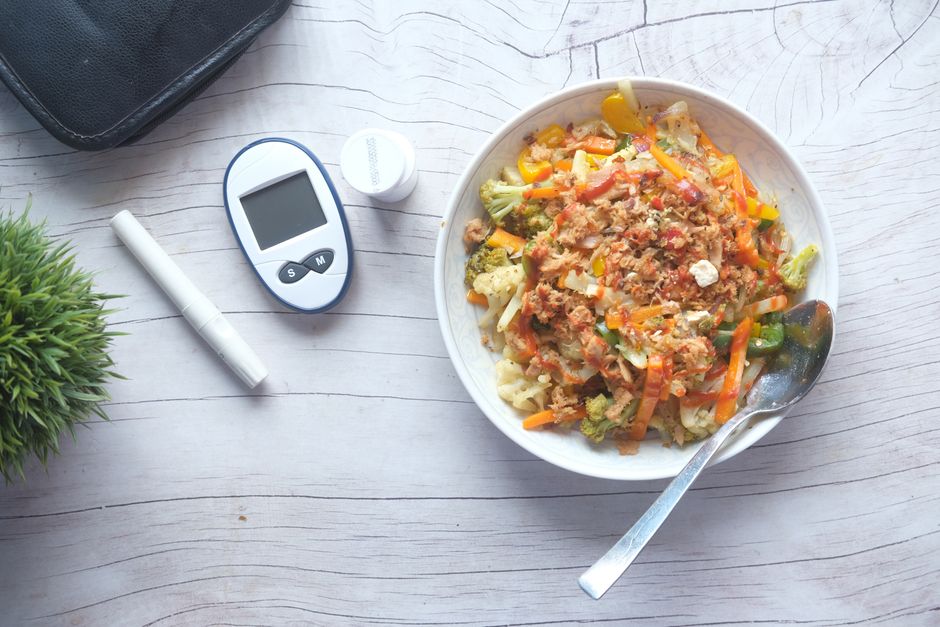
A good meal for a diabetic is one that keeps blood sugar steady, not one that spikes it and drops it an hour later. The goal is to build a plate that combines fiber, lean protein, and healthy fats with carbohydrates that digest slowly. For most people with diabetes, a balanced meal looks like half non-starchy vegetables, a quarter lean protein, and a quarter carbohydrate—ideally whole grains, beans, or fruit. This structure works because it slows digestion, which means glucose enters the bloodstream gradually rather than all at once.
What Does a Balanced Diabetic Plate Actually Look Like?
The simplest way to think about a diabetic meal is the plate method. This is a visual guide, not a strict diet plan. It is widely taught by diabetes educators and dietitians because it works without counting every gram of carbohydrate.
- Half the plate: Non-starchy vegetables like broccoli, spinach, peppers, cauliflower, or green beans.
- One quarter of the plate: Lean protein such as chicken breast, fish, tofu, eggs, or beans.
- One quarter of the plate: Carbohydrate foods like brown rice, quinoa, sweet potato, whole wheat bread, or fruit.
Add a small amount of healthy fat—olive oil, avocado, or nuts—and a low-calorie drink like water or unsweetened tea. This combination is not arbitrary. Each component slows the release of sugar into your blood, and together they keep you full for hours.
Why Does Carbohydrate Type Matter More Than Amount?
All carbohydrates turn into glucose eventually. The difference is speed. Refined carbohydrates—white bread, white rice, sugary drinks, and most processed snacks—digest quickly and cause a sharp rise in blood sugar. Whole food carbohydrates contain fiber, which slows that process down.
Fiber is the key player. It is the indigestible part of plant foods that moves through your gut without being broken down into sugar. Soluble fiber, found in oats, beans, apples, and carrots, forms a gel-like substance in your digestive tract that physically slows the absorption of glucose. This is why a bowl of oatmeal with berries affects blood sugar very differently than a bowl of sugary cereal with the same number of carbohydrates.
Protein and fat play a supporting role. They slow stomach emptying, which delays the arrival of glucose into the bloodstream. A meal of plain rice will spike blood sugar faster than the same rice served with chicken and vegetables. This is not a theory—it is well-documented digestive physiology.
What Are the Best Protein Choices for Diabetes?
Protein does not raise blood sugar directly, but it is essential for meal satisfaction and muscle maintenance. The best choices are those that come without added saturated fat or sodium.
- Fish, especially fatty fish like salmon and sardines, which also provide omega-3 fats
- Skinless chicken or turkey
- Eggs
- Tofu and tempeh
- Beans and lentils, which count as both protein and carbohydrate
- Plain Greek yogurt, which has more protein and less sugar than regular yogurt
Processed meats like bacon, sausage, and deli meats are less ideal. Research has linked regular consumption of processed meats to higher diabetes risk and worse blood sugar control. They are not forbidden, but they should not be the protein foundation of your meals.




Which Vegetables Should Fill Half Your Plate?
Non-starchy vegetables are the lowest-calorie, lowest-carbohydrate foods available. They provide volume, fiber, vitamins, and minerals without moving your blood sugar much at all. You can eat a generous portion without worrying about glucose.
Good options include leafy greens, broccoli, cauliflower, zucchini, cucumber, peppers, mushrooms, asparagus, and cabbage. These vegetables are so low in carbohydrate that they barely count toward your daily intake.
Starchy vegetables like potatoes, corn, and peas are different. They contain more carbohydrate and should be treated as the carbohydrate quarter of your plate, not the vegetable half. A baked sweet potato, for example, is a fine carbohydrate choice—but it is not a free vegetable.
What Is a Good Meal For a Diabetic To Eat at Breakfast?
Breakfast is where many people struggle because traditional options are carbohydrate-heavy with little protein. Cereal, toast, orange juice, and pancakes are quick-digesting foods that set blood sugar on a rollercoaster before noon.
A better breakfast combines protein, fiber, and a small portion of fruit or whole grain. For example, two scrambled eggs with spinach and a slice of whole grain toast, or plain Greek yogurt with berries and a sprinkle of nuts. These meals keep blood sugar stable and prevent the mid-morning crash that leads to snacking.
If you prefer something warm, oatmeal made with milk or water and topped with cinnamon and a few chopped nuts is a solid option—provided it is not the instant, flavored kind loaded with added sugar.
What About Lunch and Dinner?
The same plate structure applies at every meal. For lunch, a salad with grilled chicken, chickpeas, olive oil, and a small serving of quinoa works well. For dinner, baked fish with roasted broccoli and a half cup of brown rice follows the same pattern.
The key is consistency rather than perfection. You do not need to eliminate carbohydrates. You need to pair them with protein, fat, and fiber so your body processes them slowly.
One practical tip: eat vegetables first, then protein, then carbohydrates. Some research suggests this food order results in lower post-meal blood sugar compared to eating carbohydrates first. The effect is modest, but it costs nothing to try.
Are There Meals That Work for Type 1 and Type 2 Diabetes Differently?
Type 1 diabetes requires insulin therapy, so meal planning is tied to insulin dosing. The plate method still applies, but carbohydrate counting is often necessary to match insulin doses accurately. A meal that works for someone with type 2 diabetes may work for someone with type 1, but the insulin management will differ.
Type 2 diabetes is more about reducing insulin resistance and managing weight. The same balanced plate approach supports both goals. It is not a special diet—it is a return to whole, minimally processed foods eaten in sensible proportions.
If you take insulin or certain diabetes medications, be aware that changing your meal pattern can affect your medication needs. Talk to your healthcare team before making major changes to your eating routine.
What Should You Drink With Your Meal?
Drinks matter as much as food. Sugary beverages—soda, sweet tea, fruit punch, and even fruit juice—are liquid carbohydrates that spike blood sugar rapidly. A 12-ounce can of regular soda contains about 39 grams of sugar, which is more than many people eat in an entire meal.
Water is the best choice. Unsweetened tea, coffee, and sparkling water are also fine. Diet sodas and artificially sweetened drinks do not raise blood sugar, but the evidence on their long-term effects is mixed. Some studies suggest they may still influence appetite or metabolic health in ways that are not fully understood.
Frequently Asked Questions
Can a diabetic eat rice and pasta?
Yes, but portion size and preparation matter. Choose brown rice or whole wheat pasta, keep the serving to about one quarter of your plate, and pair it with protein and vegetables to slow digestion.
Is fruit too sugary for diabetics?
Whole fruit is fine for most people with diabetes because the fiber slows sugar absorption. Berries, apples, and citrus fruits are lower in sugar than tropical fruits like mango or pineapple, so they are generally better choices.
How many carbohydrates should a diabetic eat per meal?
There is no single number that works for everyone. Many adults do well with 45 to 60 grams of carbohydrate per meal, but individual needs vary based on weight, activity level, and medication. Your doctor or dietitian can help you find a target that fits you.
Can a diabetic eat potatoes?
Yes, but treat them as your carbohydrate serving, not a free vegetable. A small baked potato or half a cup of roasted potatoes fits within a balanced plate when paired with protein and vegetables.
