
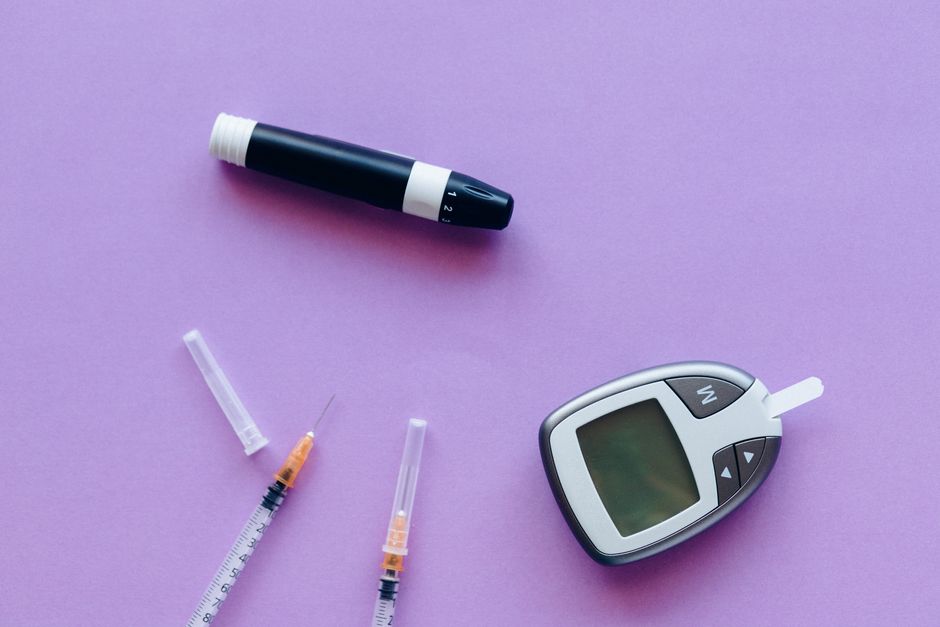
Skipping meals is a common question for people managing type 2 diabetes. The short answer is that not eating can be dangerous, but the exact effects depend on your medications, your blood sugar levels, and how long you go without food. For someone on certain diabetes medications, skipping a meal can cause blood sugar to drop to dangerously low levels, a condition called hypoglycemia. For others, especially those not on insulin or sulfonylureas, missing a meal may cause blood sugar to rise later due to hormonal responses. Neither outcome is healthy, and understanding the mechanics helps you make safer choices.
What Happens If A Type 2 Diabetic Doesnt Eat
When you have type 2 diabetes, your body has trouble using insulin effectively. This is called insulin resistance. Normally, when you eat, carbohydrates break down into glucose, which enters your bloodstream. Insulin acts like a key, unlocking your cells so they can take in that glucose for energy.
When you do not eat, your body still needs energy. It starts using stored glucose from your liver. Your liver releases this glucose to keep your blood sugar stable. In a person without diabetes, insulin levels adjust to keep blood sugar in a safe range. In type 2 diabetes, this system is impaired. The liver may release too much glucose, or your medications may push your blood sugar too low.
The danger depends heavily on what medications you take. Metformin, the most common first-line drug, rarely causes low blood sugar on its own. But sulfonylureas and insulin can cause severe hypoglycemia if you skip a meal. These drugs force your pancreas to release insulin or directly add insulin to your body. Without food to balance it, blood sugar can plummet.
What Are the Immediate Risks of Skipping Meals?
The most immediate and serious risk is hypoglycemia. This is defined as blood sugar below 70 mg/dL. Symptoms include shaking, sweating, confusion, rapid heartbeat, and blurred vision. If untreated, severe hypoglycemia can lead to seizures, loss of consciousness, and even coma.
Hypoglycemia is not just uncomfortable. It is a medical emergency. If you take insulin or sulfonylureas and skip a meal, your blood sugar can drop within hours. The American Diabetes Association recommends treating hypoglycemia with the “15-15 rule”: consume 15 grams of fast-acting carbohydrates, wait 15 minutes, and recheck your blood sugar. Repeat if it is still low.
For people not on these medications, the immediate risk is different. Blood sugar may rise, not fall. When you skip a meal, your body releases stress hormones like glucagon and cortisol. These hormones signal your liver to release glucose. In type 2 diabetes, your cells cannot use that glucose effectively, so it accumulates in your blood. This is called rebound hyperglycemia.
What Happens to Blood Sugar After Several Hours Without Food?
After about 8 to 12 hours without food, your body enters a fasting state. Your liver continues to release glucose to fuel your brain and muscles. In type 2 diabetes, this process is often exaggerated. Some research suggests that people with poorly controlled diabetes may experience higher fasting blood sugar levels than those without the condition.
Your body also starts breaking down fat for energy. This produces ketones. In small amounts, ketones are not harmful. But in type 2 diabetes, especially if insulin is very low, ketones can build up dangerously. This can lead to diabetic ketoacidosis (DKA). While DKA is more common in type 1 diabetes, it can occur in type 2 diabetes under extreme stress, such as prolonged fasting or illness.
Prolonged fasting also triggers gluconeogenesis. This is the process where your liver makes new glucose from non-carbohydrate sources, like amino acids from muscle. Over time, this can lead to muscle breakdown. This is one reason why crash dieting or extreme fasting is not recommended for people with diabetes.





Does Intermittent Fasting Help or Hurt Type 2 Diabetes?
Intermittent fasting has become popular. Some studies suggest it can improve insulin sensitivity and aid weight loss. But the evidence is not uniform, and the risks are real for people on certain medications.
Research published in the journal Cell Metabolism found that time-restricted eating improved insulin sensitivity in some people with prediabetes. However, the study was small and short-term. Other research shows that intermittent fasting can be safe for people with type 2 diabetes, but only under medical supervision. The key issue is medication adjustment. If you fast, your sulfonylurea or insulin dose often needs to be reduced to prevent hypoglycemia.
The evidence is mixed on long-term benefits. Some studies show improvements in HbA1c, a measure of average blood sugar over three months. Others show no significant difference compared to regular calorie restriction. What is clear is that fasting is not inherently better than eating balanced meals throughout the day. The safest approach is to work with your healthcare provider before starting any fasting regimen.
What Are the Long-Term Effects of Irregular Eating?
Irregular eating patterns can make diabetes management harder over time. When you skip meals, your blood sugar swings more widely. These swings can damage blood vessels and nerves over years. This increases the risk of complications like kidney disease, neuropathy, and cardiovascular problems.
Skipping meals also affects your eating behavior. Many people who skip meals overeat later in the day. This can lead to large blood sugar spikes after those meals. It can also contribute to weight gain, which worsens insulin resistance.
Another long-term concern is the effect on your medication routine. If you skip a meal and take your usual dose of sulfonylurea or insulin, you risk hypoglycemia. If you skip the medication to avoid hypoglycemia, your blood sugar stays high. Both scenarios are harmful. Consistency in meal timing helps your medications work predictably.
Who Is Most at Risk from Skipping Meals?
People taking insulin are at the highest risk of severe hypoglycemia. This includes both basal insulin, taken once or twice daily, and mealtime insulin. If you take mealtime insulin and skip the meal it was meant to cover, your blood sugar can drop rapidly.
People taking sulfonylureas like glipizide, glyburide, or glimepiride are also at high risk. These drugs stimulate your pancreas to release insulin regardless of whether you have eaten. Their effect lasts for many hours, so skipping a meal while on these drugs can cause prolonged hypoglycemia.
Older adults are particularly vulnerable. Age-related changes in kidney and liver function can slow drug clearance. This means medications stay in the body longer. Older adults also may not recognize hypoglycemia symptoms as quickly, delaying treatment. This can turn a manageable low blood sugar episode into a serious event.
What Should You Do If You Are Not Hungry?
Not feeling hungry is not a reason to skip a meal if you take insulin or sulfonylureas. Your medication schedule is tied to your food intake. If you are not hungry, eat a small snack with some carbohydrates and protein. A few crackers with cheese or half a sandwich can be enough to prevent hypoglycemia.
If you are not on these medications and you are not hungry, it is safer to skip a meal occasionally. But this is not a strategy for weight loss or blood sugar control. Regular, balanced meals help keep blood sugar stable. If you are consistently not hungry, talk to your doctor. This could be a sign of gastroparesis, a condition where the stomach empties slowly. Gastroparesis is common in people with long-standing diabetes.
If you are planning to fast for medical tests, religious reasons, or weight loss, tell your healthcare provider. They can adjust your medications and tell you how to monitor your blood sugar during the fast. Never stop or change your diabetes medications without medical guidance.
Frequently Asked Questions
Can a type 2 diabetic skip breakfast?
Skipping breakfast can cause blood sugar swings, especially if you take insulin or sulfonylureas. If you are not on these medications, missing breakfast may cause higher blood sugar later in the day due to liver glucose release.
How long can a type 2 diabetic go without eating?
There is no safe universal limit, but going more than 12 hours without food increases the risk of hypoglycemia or rebound hyperglycemia. The safe duration depends entirely on your medications, your blood sugar levels, and your overall health.
What are the first signs of low blood sugar?
Early signs include shaking, sweating, hunger, confusion, and a rapid heartbeat. If you notice these symptoms, check your blood sugar immediately and treat with fast-acting carbohydrates like juice or glucose tablets.
Is it dangerous to fast with type 2 diabetes?
Fasting can be dangerous if you take insulin or sulfonylureas because it raises the risk of severe hypoglycemia. It can be done safely only with medical supervision and medication adjustments. Never start a fasting plan without consulting your healthcare provider.
