
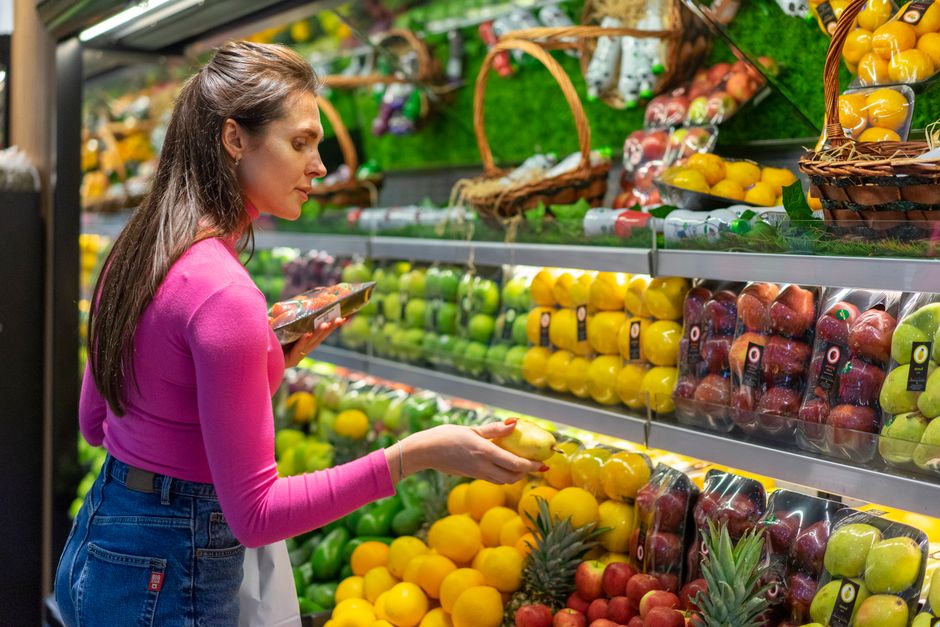
A food recall happens when a company or government agency removes a food product from store shelves because it could make people sick. The U.S. Department of Agriculture (USDA) and the Food and Drug Administration (FDA) oversee most recalls in the United States. A recall is not always a sign of widespread contamination — sometimes it is a precaution after a single complaint. The goal is always the same: stop a potentially dangerous product from reaching your kitchen.
What Is A Food Recall And How Does It Work?
A food recall is a formal request or order for a company to remove a food product from the market. The process starts when a problem is found — either by the company itself, through routine government testing, or after people report getting sick. The FDA or USDA then classifies the recall based on the level of health risk.
Class I recalls are the most serious. They involve foods that could cause serious health problems or death. Think of things like undeclared allergens in a product or contamination with bacteria like Listeria or Salmonella. Class II recalls involve products that might cause temporary health problems, and Class III recalls are for minor violations that are unlikely to cause illness.
The company must tell the government how far the product has spread, contact retailers and distributors, and issue a public notice. The FDA or USDA checks that the recall is working by testing stores and following up with the company. If a company refuses to cooperate, the government can seize the products or take legal action.
What Causes Most Food Recalls?
The most common cause of food recalls in the U.S. is undeclared allergens. According to the FDA, undeclared allergens — like milk, eggs, peanuts, or soy — account for nearly half of all food recalls. This happens when a product contains an ingredient that is not listed on the label, often due to cross-contamination during manufacturing or a packaging error.
Bacterial contamination is the second most common cause. Salmonella, Listeria monocytogenes, and E. coli O157:H7 are the top culprits. The CDC estimates that Salmonella alone causes about 1.35 million infections, 26,500 hospitalizations, and 420 deaths in the U.S. each year. Recalls due to these bacteria often involve raw meat, poultry, eggs, dairy, and fresh produce.
Foreign objects — like pieces of metal, plastic, or glass — also trigger recalls. These are less common but can be serious. The USDA reports that foreign material contamination leads to around 50 to 100 recalls per year in meat and poultry products alone.
How Are Food Recalls Classified?
The FDA and USDA use a three-tier system to classify recalls. Understanding this system helps you know how seriously to take a recall notice.
| Class | Risk Level | Example |
|---|---|---|
| Class I | High — can cause serious health problems or death | Undercooked beef with E. coli |
| Class II | Medium — may cause temporary health problems | Food with minor under-processing |
| Class III | Low — unlikely to cause illness | Mislabeling that does not involve allergens |
Most recalls you hear about in the news are Class I. That is because the media and government agencies prioritize the most dangerous situations. But Class II and III recalls happen every week without much public attention. The FDA posts all recalls on its website, and you can sign up for email alerts if you want to track them.

What Should You Do When You Hear About a Recall?
First, check whether you have the recalled product in your home. Look at the brand name, product description, package size, and lot number or “best by” date. The recall notice will include this information. Do not rely on memory — go to your pantry or refrigerator and check.
If you have the product, do not eat it. Do not taste it to see if it seems fine. Bacteria and allergens are invisible, and a small amount can cause serious illness. The recall notice will tell you what to do next — usually return the product to the store for a refund or throw it away.
Some companies offer a refund or replacement. Keep your receipt if you have it, but many stores accept returns without one for recalled items. If you already ate the product and feel sick, contact your doctor. If you have a severe allergic reaction, call 911.
Here is a quick checklist for handling a recall:
- Find the exact product using the lot number and date.
- Do not eat or taste the product.
- Return it to the store or throw it away in a sealed bag.
- Clean any surfaces that touched the product.
- Watch for symptoms if you already ate it.
What Are the Limits of the Recall System?
The recall system in the U.S. is not perfect. Most recalls are voluntary — the company chooses to act, often after being pressured by the FDA or USDA. The government cannot force a recall for most foods unless it proves an immediate health threat. This means some unsafe products stay on shelves longer than they should.
Another limit is that recalls rely on public awareness. The FDA posts notices and sends press releases, but many people never see them. A study published in the Journal of Food Protection found that only about 60% of people who bought a recalled product actually heard about the recall. That leaves 40% of consumers still holding a potentially dangerous food.
There is also the issue of traceability. When a problem is found, companies must track where the ingredients came from and where the final product went. This is harder for complex supply chains that involve multiple countries. The FDA has been pushing for better traceability rules, but as of 2026, the system still has gaps.
How Do Food Recalls Differ From Food Warnings?
A food recall removes a product from the market. A food warning or alert is different — it tells you not to eat a certain food, but the product may still be available. Warnings are often issued when the source of contamination is not yet known, or when the risk is low enough that a full recall is not needed.
For example, the FDA may issue a warning about eating raw oysters from a specific harvest area if tests show high levels of bacteria. The oysters are not recalled — they are still being sold — but the agency warns consumers not to eat them. Warnings are also common for imported foods that may not meet U.S. safety standards.
The key difference is that a recall involves action by the company to remove the product, while a warning is simply information for consumers. If you see a warning, treat it seriously. It is a sign that the government has identified a potential risk, even if the product is still on shelves.
Common Misconceptions About Food Recalls
One common myth is that recalled food is always contaminated with bacteria. In reality, many recalls are for undeclared allergens, mislabeling, or minor processing errors. The food may be perfectly safe to eat for most people — but for someone with a severe allergy, it could be dangerous.
Another myth is that recalls only happen to cheap or low-quality brands. Recalls affect every type of food, from organic produce to luxury chocolates. Large companies often have more recalls simply because they produce more food and have better testing systems. A recall is not a sign that a brand is bad — it is a sign that the system is working as designed.
Some people believe that if a food is recalled, it must be because of a widespread outbreak. But many recalls are triggered by a single complaint or a routine test that finds a problem. The recall is a precaution, not proof that many people got sick. The CDC and FDA track outbreak data separately from recall data.
Frequently Asked Questions
How do I find out if a food I bought has been recalled?
Check the FDA or USDA recall websites, or sign up for email alerts. You can also search by brand name and lot number on the agency’s recall page.
Can I get a refund for a recalled food product?
Most stores offer a full refund for recalled items, even without a receipt. Check the recall notice for specific instructions from the manufacturer.
Is it safe to eat food that has been recalled but looks fine?
No. Bacteria, allergens, and foreign objects are not visible to the naked eye. Never eat a recalled product, even if it looks and smells normal.
How long does a food recall investigation take?
It varies widely. Some recalls are resolved in days, while others take weeks or months, especially if the source of contamination is hard to trace.
