
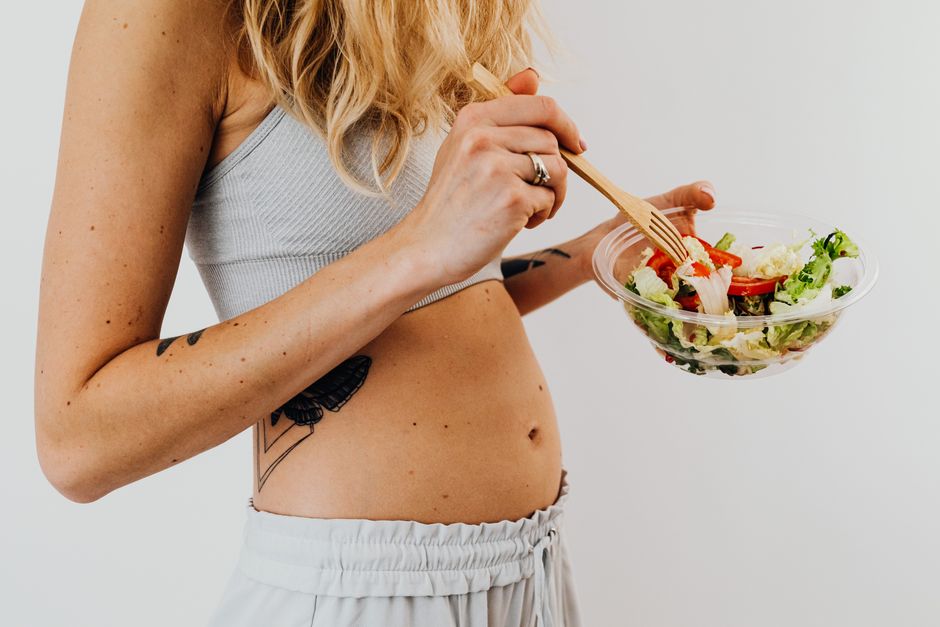
You wake up with your stomach churning, head pounding, and the thought of food makes you feel worse. You know you need to eat something to feel better, but you are terrified it will come right back up. The key to keeping food down when hungover is to rehydrate first, wait until the nausea peaks subside, and start with bland, starchy foods in very small amounts. Your stomach lining is irritated and your blood sugar is low, so you need to treat it gently, not overwhelm it with a greasy breakfast.
Why Does Being Hungover Make It Hard to Keep Food Down?
Alcohol directly irritates the lining of your stomach and esophagus. This irritation triggers nausea and makes your stomach more sensitive to any pressure or acid. Research shows alcohol also increases stomach acid production while slowing down how quickly your stomach empties its contents. This combination means food sits in your stomach longer while your body is actively trying to reject it.
Your body is also dealing with dehydration and inflammation. Alcohol is a diuretic, which means it makes you pee out more fluid than you took in. When you are dehydrated, your body produces less saliva and stomach mucus that normally protect your stomach lining. Without that protection, even a small amount of food can feel like an attack on your system.
Low blood sugar also plays a role. Your liver is busy processing alcohol instead of releasing stored glucose into your blood. When your blood sugar drops, you feel shaky, weak, and more nauseous. Your brain senses something is wrong and sends signals to empty your stomach as a protective measure.
What Should You Do Before Trying to Eat Anything?
Do not grab food first. Reach for water or an electrolyte drink instead. Sip slowly. If you chug liquids, your stomach will reject them just as fast as food. Take small sips every five minutes for about thirty minutes before you even think about eating. If you can keep liquids down, your stomach is ready for the next step.
Ginger tea or peppermint tea can help settle your stomach before you eat. Current research suggests ginger is effective for reducing nausea from multiple causes, including hangovers. Steep a fresh slice of ginger in hot water or use a tea bag. Let it cool to lukewarm so you do not shock your stomach with heat. Sip it the same way you sipped water.
Some people report that carbonated drinks like ginger ale or soda water help them burp and relieve pressure. Strong evidence is limited here, but if the fizz helps you feel less bloated and more able to eat, it is worth trying. Just avoid anything with caffeine because caffeine dehydrates you further and can make nausea worse.
Which Foods Are Easiest to Keep Down When Hungover?
Bland, starchy foods are your best bet. Toast, crackers, plain rice, or a banana give your body energy without irritating your stomach. These foods are low in fat and acid, which means they do not trigger more stomach acid production or slow digestion further. Your body can process them quickly and get glucose into your bloodstream to stabilize blood sugar.
Here is a quick comparison of common hangover foods and how they affect your stomach:
| Food | Effect on Stomach | Best Time to Eat |
|---|---|---|
| Plain toast or crackers | Absorbs excess acid, easy to digest | First food after liquids |
| Banana | Provides potassium, gentle on lining | After toast stays down |
| White rice | Low fiber, fast digestion | When you feel slightly better |
| Eggs (scrambled, no butter) | Protein helps blood sugar, mild on stomach | When nausea is mostly gone |
| Greasy bacon or fried eggs | High fat delays stomach emptying | Avoid until fully recovered |
| Orange juice or citrus | Acidic, irritates stomach lining | Avoid entirely during hangover |
Start with one cracker or half a slice of toast. Wait fifteen minutes. If your stomach feels calm, eat another small piece. Do not rush. Your body needs time to signal that food is safe to process. If you feel any wave of nausea, stop and go back to sipping water for another twenty minutes.


How To Keep Food Down When You Are Hungover Without Making It Worse
The most important rule is to eat sitting upright and stay upright for at least thirty minutes after eating. Lying down makes it easier for stomach contents to move back up into your esophagus, which triggers more nausea and vomiting. Sit in a chair or prop yourself up with pillows if you need to rest.
Eat slowly and chew thoroughly. Your stomach has to do less work breaking down food if your mouth does most of the job first. Smaller food particles move through your digestive system faster and put less pressure on an already irritated stomach lining. Take small bites and put your fork down between each bite.
Avoid drinking liquids with your meal. Drinking while eating dilutes stomach acid and makes digestion less efficient. It also fills your stomach with volume, which can trigger the stretch receptors that tell your brain to vomit. Drink liquids between meals, not during them.
Some people swear by taking an antacid like calcium carbonate before eating. Antacids neutralize excess stomach acid and can reduce the burning sensation that makes you feel sick. This is a reasonable strategy, but it is not a cure. Antacids do not fix dehydration or low blood sugar. They just make the stomach environment less hostile for food.
What Common Hangover Cures Actually Make Things Worse?
Greasy food is the most common mistake people make. A greasy breakfast sounds satisfying, but fat takes longer to digest than carbohydrates or protein. Your stomach is already slow from alcohol. Adding a load of fat makes it even slower, which increases the chance that food sits there and comes back up. Save the bacon and sausage for tomorrow.
Coffee is another problem. Caffeine stimulates stomach acid production and relaxes the lower esophageal sphincter, which is the muscle that keeps stomach contents from splashing back up. That combination makes nausea and reflux worse. If you need caffeine to function, wait until you have kept down solid food for at least an hour and drink it with food, not before.
Hair of the dog, which means drinking more alcohol the next morning, is a dangerous myth. It temporarily numbs your symptoms, but it makes the underlying dehydration and stomach irritation worse. You are just delaying the hangover and making it more severe when the alcohol wears off. There is no clinical evidence that this helps you keep food down or recover faster.
Vomiting on purpose to feel better is also a bad idea. Some people think emptying their stomach will stop the nausea, but vomiting irritates your esophagus and throat, dehydrates you further, and strips away protective stomach mucus. It can also cause small tears in your esophagus. Let your body decide if it needs to vomit, but do not force it.
How Long Should You Wait Before Trying to Eat Again After Vomiting?
If you have already vomited, wait at least thirty minutes before trying to eat or drink anything. Your stomach muscles are still contracting and your esophagus is raw from stomach acid. Give your body time to settle down. Start with ice chips or very small sips of water. If those stay down for twenty minutes, move to clear liquids like broth or electrolyte drinks.
After you keep liquids down for an hour, try a small amount of bland food. One saltine cracker or a piece of dry toast is enough. Do not eat more than that even if you feel hungry. Your stomach needs to rebuild its protective mucus layer and calm down the inflammation before it can handle a full meal. This process takes one to three hours for most people.
If you vomit again after trying to eat, stop eating completely for another hour. Go back to ice chips and small sips of water. Your body is telling you it is not ready. Pushing through the nausea will only make the vomiting worse and delay your recovery. As of 2026, this gradual approach is still the most evidence-based method for reintroducing food after alcohol-related vomiting.
Some people benefit from electrolyte solutions designed for rehydration rather than plain water. These solutions contain sodium, potassium, and glucose in specific ratios that help your body absorb fluid faster. Sports drinks work in a pinch, but they have too much sugar, which can worsen nausea. Look for a low-sugar electrolyte powder or tablet instead.
Frequently Asked Questions
Can I take ibuprofen before eating to help the hangover?
Ibuprofen can irritate your stomach lining and make nausea worse, especially on an empty stomach. Wait until you have kept down some food before taking any pain reliever.
Is it better to eat cold or warm food when hungover?
Warm food is usually easier on an irritated stomach than cold food because it requires less energy to digest. Lukewarm broth or toast is a safer choice than cold cereal or fruit.
How much water should I drink before eating after a hangover?
Start with about four to six ounces of water over thirty minutes. If that stays down, you can slowly increase to eight to twelve ounces over the next hour before trying food.
Does eating bread really help absorb leftover alcohol in my stomach?
Bread does not absorb alcohol that has already entered your bloodstream, but it can help settle your stomach by absorbing excess acid and providing quick energy. It is helpful for symptoms, not for removing alcohol from your system.
