
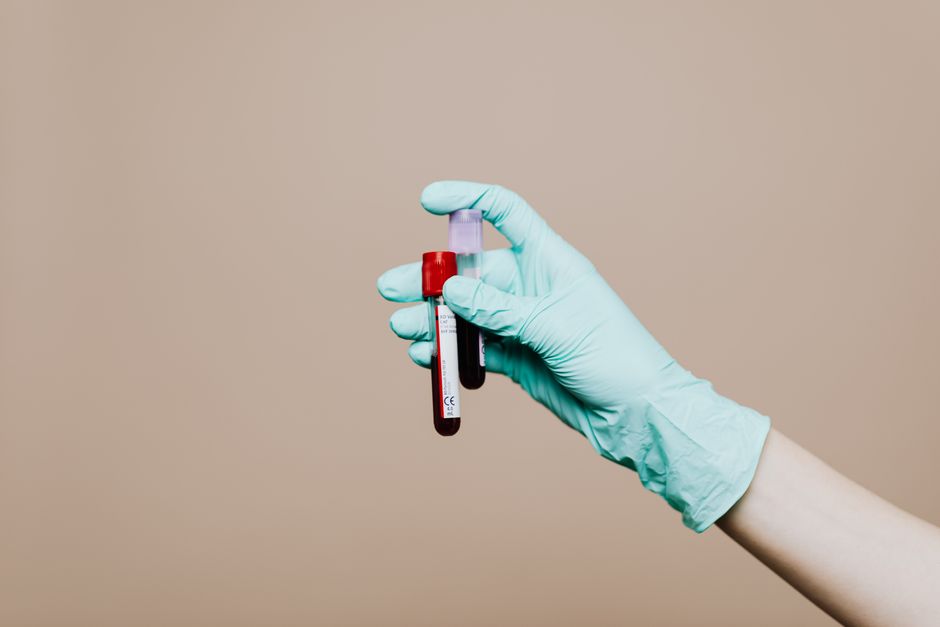
A colonoscopy is a medical procedure that lets a doctor examine the inside of your large intestine. A thin, flexible tube with a small camera is inserted into the rectum and moved through the colon. The test finds abnormal growths called polyps, signs of colon cancer, and other digestive problems. Preparation involves clearing the colon with a special diet and laxatives. Risks are low but include bleeding and a small chance of a tear in the colon wall.
What Is a Colonoscopy? Test, Procedure, Prep, Risks, and Key Facts
A colonoscopy is the most common way to screen for colon cancer. It also helps diagnose the cause of chronic diarrhea, rectal bleeding, abdominal pain, or changes in bowel habits. During the test, the doctor can see the entire colon and remove polyps or take tissue samples.
The procedure itself takes about 30 to 60 minutes. Most people are given sedation to keep them comfortable. You will need someone to take you home afterward.
Why Do I Need a Colonoscopy?
There are two main reasons: screening and diagnosis.
Screening: Colon cancer often starts as a polyp. Removing polyps during a colonoscopy can prevent cancer from developing. Current guidelines recommend that people at average risk begin screening at age 45. If your risk is higher due to family history or certain conditions, your doctor may recommend starting earlier.
Diagnosis: If you have symptoms such as bleeding from the rectum, unexplained weight loss, persistent abdominal pain, or a change in bowel habits that lasts more than a few weeks, your doctor may order a colonoscopy to find the cause.
How Do I Prepare for a Colonoscopy?
Preparation is the most important step. If the colon is not completely clean, the doctor cannot see the lining clearly. Preparation includes dietary changes and a bowel-cleansing regimen.
Diet: For 1 to 3 days before the test, you will be asked to eat only low-fiber foods. The day before the procedure, you must drink only clear liquids. Water, clear broth, black coffee or tea without milk or cream, clear juice (apple, white grape), and gelatin are allowed. No red or purple liquids because they can look like blood on the screen. No dairy, no solid foods, no alcohol.
Bowel prep: You take a strong laxative, usually in the evening before the procedure. It comes as a powder mixed with water or as a liquid. Some preparations require a split dose – half the night before and half the morning of the procedure – which often gives the best results. You will have frequent loose bowel movements. This is normal and necessary.
Medication adjustments: Tell your doctor about all medicines you take. Blood thinners (warfarin, apixaban, clopidogrel) and some diabetes medications may need to be temporarily stopped. Always follow your doctor’s instructions about when to stop and restart them.
What Happens During a Colonoscopy?
You will lie on your left side with your knees drawn toward your chest. An IV line delivers sedation medication. Most people are awake but drowsy and feel little to no discomfort.
The doctor gently inserts the colonoscope into your rectum. Air or carbon dioxide is used to inflate your colon so the doctor can see the walls. The scope is advanced slowly to where the small intestine meets the colon. The doctor then carefully withdraws the scope while examining the lining.
If polyps are found, the doctor may remove them with a wire loop or snare. Small polyps are often removed during the same procedure. Tissue samples (biopsies) can also be taken. These are sent to a laboratory for analysis. The whole process usually takes 30 to 60 minutes.
What Are the Risks of a Colonoscopy?
Colonoscopy is a very safe procedure, but no medical test is risk-free. Serious complications are rare.
- Bleeding: Usually happens when a polyp is removed. The risk is about 1 in 1,000 procedures. Bleeding may stop on its own or require treatment. It can occur days after the procedure.
- Perforation (a tear in the colon wall): This occurs in about 1 in 1,000 to 1 in 3,000 procedures. A perforation is a medical emergency that often requires surgery to repair.
- Reaction to sedation: Problems from the medication are uncommon. They include breathing difficulties or an abnormal heart rhythm. The medical team monitors you throughout the procedure.
- Incomplete exam: Sometimes the scope cannot reach the entire colon, often due to poor prep or an anatomical twist. In that case, a repeat exam may be needed.
After the procedure, you might feel bloated or have mild cramping from the air used to inflate the colon. These symptoms usually resolve within an hour or two.
If you develop severe abdominal pain, fever, bleeding that fills the toilet bowl, or cannot pass gas, contact your doctor or go to an emergency room immediately.
What Happens After a Colonoscopy?
You will be taken to a recovery area where a nurse monitors you while the sedation wears off. Most people can go home within an hour. You cannot drive, operate machinery, or make important decisions for the rest of the day because the sedation affects your judgment and reaction time. Arrange for a responsible adult to drive you home.
The doctor will give you a written summary of the findings. If polyps were removed or biopsies taken, results take a few days to a week. Your doctor will let you know when to schedule your next colonoscopy. This interval depends on what was found:
- No polyps and average risk: Next colonoscopy in 10 years.
- One or two small polyps (less than 1 cm): Typically repeat in 5 to 10 years.
- Larger polyps or multiple polyps: Repeat in 3 years or sooner.
- Fewer than 10 small polyps and not high risk: Often every 5 to 10 years.
These intervals follow U.S. screening guidelines. Your personal risk factors may change your schedule.
How Often Should I Get a Colonoscopy?
For people at average risk, current U.S. guidelines recommend a first colonoscopy at age 45. If no polyps are found, the next one is in 10 years. If you have a family history of colon cancer (parent, sibling, or child), your doctor may recommend starting at age 40 or 10 years before the age your relative was diagnosed – whichever comes first.
People with inflammatory bowel disease (Crohn’s disease or ulcerative colitis) or certain inherited conditions like Lynch syndrome need more frequent exams. Follow your specialist’s advice.
Some people ask about alternative screening tests, such as stool-based tests (FIT or Cologuard) or virtual colonoscopy (CT colonography). Stool tests are less invasive but must be done yearly. If the result is positive, a colonoscopy is still needed. Virtual colonoscopy does not require sedation but still requires bowel prep. If polyps are seen, a regular colonoscopy must follow. For most people, a direct colonoscopy every 10 years remains the gold standard.
Does a Colonoscopy Detect All Colon Cancer?
No single test is perfect. A colonoscopy detects most colon cancers and precancerous polyps, but small flat lesions can be missed, especially if the bowel prep is poor or the scope does not visualize every fold. Studies estimate that colonoscopy misses about 5% to 10% of cancers. This is why following the recommended interval is important. If you develop symptoms between screening exams, tell your doctor.
Frequently Asked Questions
Is a colonoscopy painful?
Most people feel little to no pain because of sedation. You may feel pressure or cramping, but it usually passes quickly. Some people have a brief sensation of bloating afterward.
How long does a colonoscopy take?
The procedure itself takes about 30 to 60 minutes. Plan to be at the facility for about 2 hours total, including preparation and recovery time.
What can you not do after a colonoscopy?
You cannot drive, operate machinery, or make important decisions for at least 24 hours because of the sedation. You should also avoid alcohol and heavy physical activity for the rest of the day.
Does a colonoscopy detect all cancers?
No. A colonoscopy is very effective but can miss small or flat polyps. The detection rate is highest when the bowel is clean and the doctor carefully examines the entire colon. Follow-up intervals are designed to catch anything that might be missed.
A colonoscopy is a safe and effective way to prevent colon cancer and diagnose bowel problems. Preparing correctly gives you the best chance for a clear test. Talk with your doctor about your personal risk and schedule.
