
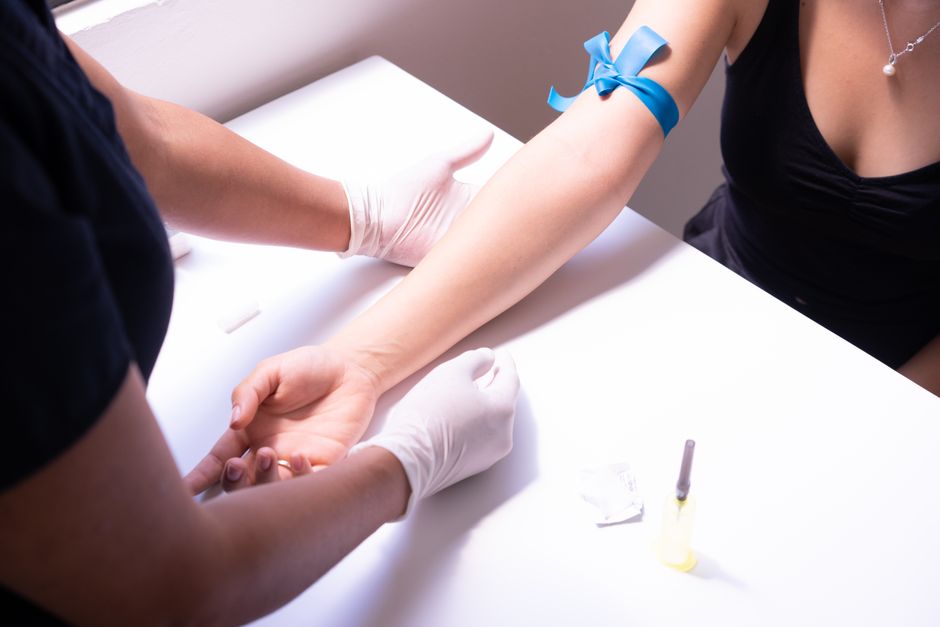
A urine test is a snapshot of your body at the moment you provide the sample. Most standard urine drug tests can detect substances from the past 1 to 3 days, though some drugs linger for weeks. For medical tests, urine typically reflects your health from the last 24 to 48 hours. The exact window depends entirely on what is being tested and the type of test used.
How Far Back Does A Urine Test Go for Drugs?
Standard urine drug screens are designed to catch recent use, not old use. The detection window is short compared to hair tests, which can go back 90 days. For most casual users, a urine test will only show substances used within the last few days.
Here is what the science shows for common substances in urine:
- Amphetamines: 1 to 2 days
- Benzodiazepines: up to 3 days for short-acting types, longer for long-acting ones
- Cocaine: 2 to 4 days
- Marijuana (THC): 3 to 30 days, depending on use frequency
- Opiates (heroin, codeine): 1 to 3 days
These are typical ranges, not guarantees. Your metabolism, body fat, and how much water you drink all shift these numbers. A one-time marijuana user may test clean in 3 days, while a daily heavy user can test positive for a month or more.
Why THC Stays in Urine Longer Than Other Drugs
THC behaves differently in the body. It is fat-soluble, meaning it gets stored in fat cells instead of staying in the bloodstream. Other drugs like cocaine and amphetamines are water-soluble and flush out quickly.
As fat cells break down over time, they release small amounts of THC back into the blood. That is why chronic users test positive for weeks. The body slowly releases the stored THC, and the urine test keeps catching it. This is not a flaw in testing. It is basic physiology.
Hydration and exercise can influence this release, but they cannot speed it up dramatically. Drinking excessive water to dilute a sample is detectable and often results in a “dilute” result, which may be treated as a failed test.
What About Medical Urine Tests?
Medical urine tests are different from drug screens. They look for markers of health, not foreign substances. A urinalysis checks for things like protein, glucose, blood, and signs of infection.
These tests reflect your current state. A urinary tract infection will show bacteria and white blood cells immediately. High glucose in urine usually reflects blood sugar levels from the past few hours. Kidney function tests measure waste products that accumulate over a short window.
For pregnancy tests, urine detects hCG, a hormone that appears about 10 days after conception. This is not a “how far back” question. It is a “how early” question. The test is positive only when the hormone is currently present at detectable levels.




How Long Do Drugs Actually Stay in Your System?
The detection window is not the same as how long a drug affects you. A drug can be out of your bloodstream while its metabolites remain in urine. Tests do not look for the drug itself. They look for metabolites, which are the broken-down byproducts your body produces.
This is why the detection window matters more than the drug’s active effects. For example, cocaine’s high lasts 15 to 30 minutes, but its metabolite, benzoylecgonine, stays in urine for days. Employers and clinics rely on these metabolites because they are easier to detect and stay around longer.
Some prescription medications also produce metabolites that cross-react with drug screens. Certain cold medicines, antidepressants, and even poppy seeds can cause false positives. If you get a positive result you did not expect, ask for a confirmatory test called gas chromatography-mass spectrometry (GC-MS). This test is highly specific and distinguishes between actual drug use and cross-reactivity.
Can You Beat a Urine Drug Test?
Detox drinks, herbal teas, and home remedies claim to flush drugs from urine quickly. The evidence does not support these claims. No credible research shows that any commercial product reliably shortens the detection window.
Diuretics and excessive water intake can temporarily dilute urine, but labs check for this. They measure creatinine, a waste product that should be present at consistent levels. If creatinine is too low, the lab flags the sample as diluted. Many testing programs treat diluted samples as a failed test.
Substituting someone else’s urine is fraud and is usually detected by temperature checks or observed collection. Synthetic urine products exist, but labs have become better at spotting them. If you are facing a drug test, the honest answer is that time is the only reliable way to clear your system.
How Long Do Drug Tests Detect Alcohol?
Alcohol is metabolized quickly. Standard urine tests detect alcohol metabolites for up to 48 hours after the last drink. Some specialized tests look for ethyl glucuronide (EtG), a metabolite that can be detected for up to 80 hours.
EtG tests are sensitive. They can pick up alcohol from mouthwash, cough syrup, or even non-alcoholic beer. This makes them useful for monitoring abstinence programs, but it also means false positives are possible. Confirmatory testing is essential if an EtG result is disputed.
For workplace testing, breath tests measure current intoxication, not past use. Breath alcohol reflects what is in your blood right now. Urine alcohol tests are less common for workplace screening because of the extended detection window and cross-reactivity issues.
Factors That Change Your Detection Window
No two people process drugs identically. Several variables affect how long a substance stays detectable in urine:
- Body fat percentage: Higher body fat means longer retention for fat-soluble drugs like THC.
- Metabolic rate: Faster metabolism clears drugs more quickly.
- Frequency of use: Chronic use builds up stores in tissues, prolonging detection.
- Dose and potency: Larger doses take longer to clear.
- Kidney function: Impaired kidneys excrete drugs more slowly.
- Urine pH: More acidic urine clears some drugs faster.
These factors explain why one person tests clean in 3 days while another takes 30. Standard detection windows are population averages, not individual predictions. If you need a precise answer for your situation, a clinician can order a blood test, which has a much shorter window and measures current levels only.
Frequently Asked Questions
How far back does a urine test go for employment screening?
Most employer drug screens detect substances from the past 1 to 3 days, except for THC, which can be detected for weeks in heavy users. The specific panel determines the exact window.
Can a urine test detect drugs from 30 days ago?
Only chronic, heavy marijuana use is likely to show up after 30 days. Most other drugs are completely cleared from urine within a week.
Does drinking water help you pass a urine drug test?
Drinking water dilutes your urine, but labs detect dilution by measuring creatinine levels. A diluted sample is often treated as a failed test rather than a negative result.
How accurate are urine drug tests?
Initial screening tests are sensitive but not perfect, and false positives can occur. A confirmatory test called GC-MS is highly accurate and is used to verify any positive screening result.
