
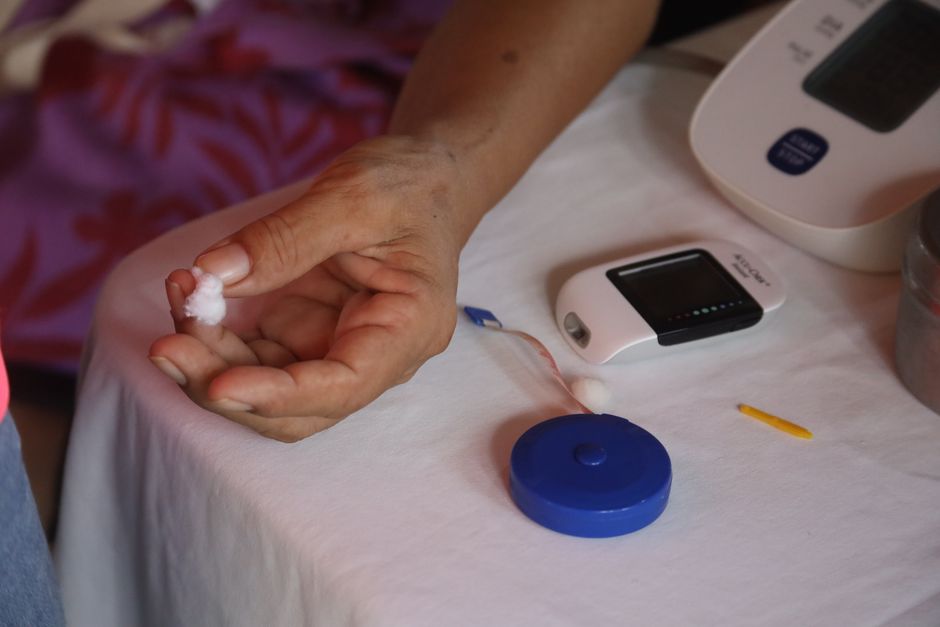
A complete blood count, or CBC, is one of the most common blood tests ordered by doctors. It measures the cells that make up your blood — red blood cells, white blood cells, and platelets. A CBC gives a snapshot of your overall health and helps doctors screen for, diagnose, and monitor a wide range of conditions, from anemia and infection to blood clotting problems. It is a routine test, but the information it provides is anything but basic.
What Does A CBC Blood Test Actually Measure?
A CBC measures three main types of cells in your blood. Each one has a specific job, and each one tells your doctor something different about your health.
Red blood cells (RBCs) carry oxygen from your lungs to the rest of your body. The CBC counts the number of red cells and also measures hemoglobin, the protein inside them that actually holds the oxygen. Hematocrit, the percentage of your blood that is made up of red cells, is also included.
White blood cells (WBCs) are your immune system’s defense force. They fight infections caused by bacteria, viruses, and other invaders. A high white count often signals an active infection or inflammation. A low count can point to immune system problems or bone marrow issues.
Platelets are the cells that help your blood clot. If you cut yourself, platelets gather at the wound and form a plug to stop the bleeding. A low platelet count means you may bruise or bleed easily. A high count can increase your risk of blood clots.
The CBC also includes a differential, which breaks down the white blood cells into five types: neutrophils, lymphocytes, monocytes, eosinophils, and basophils. Each type fights different kinds of infections, so this breakdown helps doctors narrow down what is going on.
What Is A CBC Blood Test Good For Key Uses Explained
A CBC is a screening tool first. It is often ordered as part of a routine physical exam, even when you feel fine. The goal is to catch problems early, before symptoms appear.
Beyond screening, the CBC is used to diagnose conditions when you have symptoms. Fatigue, weakness, bruising, or persistent fevers often lead to a CBC. The test helps confirm or rule out anemia, infection, and blood disorders.
The CBC is also used to monitor existing conditions. If you are being treated for anemia, an infection, or a condition that affects your bone marrow, repeated CBCs show whether treatment is working. People on certain medications, like chemotherapy, get regular CBCs to check how their blood counts respond.
Finally, the CBC helps doctors assess your overall health before procedures. If you are scheduled for surgery, a CBC can reveal bleeding risks or underlying infections that need attention first.
What Can A CBC Detect?
Anemia is one of the most common conditions a CBC identifies. Anemia means you have too few red blood cells or too little hemoglobin. Symptoms include fatigue, weakness, pale skin, and shortness of breath. The CBC can show whether the anemia is due to blood loss, low iron, vitamin deficiency, or a problem with red cell production.
Infections often show up as an elevated white blood cell count. The type of white cell that is elevated gives clues about whether the infection is bacterial or viral. For example, high neutrophils usually point to a bacterial infection, while high lymphocytes are more common with viral infections.
Blood clotting disorders can also be flagged. A low platelet count may indicate a condition like immune thrombocytopenia, where the body attacks its own platelets. A high count may signal inflammation, iron deficiency, or a bone marrow disorder.
More serious conditions, including leukemia and other blood cancers, can also be detected on a CBC. These conditions often produce abnormal numbers or shapes of cells. However, a CBC alone cannot diagnose cancer. If the results look suspicious, your doctor will order follow-up tests, such as a blood smear or bone marrow biopsy, to confirm.





Understanding Your CBC Results
CBC results come with reference ranges. These are the normal values established by the laboratory that processes your blood. Ranges can vary slightly between labs, and they also differ based on age, sex, and even altitude where you live.
Normal ranges generally fall within these values:
- Red blood cells: 4.5 to 5.9 million cells per microliter for men, 4.1 to 5.1 million for women
- Hemoglobin: 13.5 to 17.5 grams per deciliter for men, 12.0 to 15.5 for women
- Hematocrit: 41% to 50% for men, 36% to 48% for women
- White blood cells: 4,500 to 11,000 cells per microliter
- Platelets: 150,000 to 450,000 platelets per microliter
These are general ranges. Your doctor interprets your results in the context of your symptoms, medical history, and other tests. A single value slightly outside the range is rarely a cause for alarm. Doctors look at the whole picture, not just one number.
One important point: a normal CBC does not rule out every disease. Some conditions do not affect blood cell counts until they are advanced. And an abnormal CBC does not always mean something is wrong. Temporary factors like recent illness, stress, or certain medications can shift your counts.
What Happens During A CBC Test?
A CBC is a simple blood draw. A healthcare professional cleans a small area on your arm, usually the inside of your elbow, and inserts a thin needle into a vein. Blood is collected into a small tube, and the needle is removed. The process takes about a minute.
You do not need to fast for a CBC. You can eat and drink normally beforehand. Some doctors order additional tests alongside the CBC that may require fasting, so check your specific instructions.
Side effects are minimal. You might feel a brief pinch when the needle goes in. Some people develop a small bruise where the blood was drawn. Serious complications are extremely rare.
Results are typically available within a few hours to a day, depending on the laboratory. Your doctor will explain what the numbers mean and whether any follow-up is needed.
When Should You Get A CBC?
There is no single rule for how often you should have a CBC. Your doctor will recommend one based on your age, health status, and risk factors.
Many adults get a CBC during an annual physical. This is standard preventive care. If you have a chronic condition like kidney disease, autoimmune disease, or a blood disorder, you may need CBCs more frequently.
You should also expect a CBC if you have symptoms like unexplained fatigue, persistent fever, unusual bruising, bleeding that does not stop, or unintended weight loss. These symptoms can signal an underlying condition that the CBC may help identify.
Certain medications require regular CBC monitoring. Chemotherapy, some antibiotics, and medications for autoimmune conditions can affect blood cell production. Your doctor will schedule blood tests at intervals to make sure your counts stay in a safe range.
Are There Any Limitations To A CBC?
A CBC is powerful, but it is not a complete health assessment. It looks at blood cells only. It does not measure cholesterol, blood sugar, liver function, kidney function, or hormones. Those require separate tests.
A CBC also cannot tell your doctor exactly what disease you have. It provides clues. An elevated white count tells your doctor you likely have an infection, but it does not identify the specific bacteria or virus. Further testing is needed for that.
Some conditions produce normal CBC results, especially in early stages. If you have persistent symptoms and a normal CBC, your doctor will likely order additional tests to find the cause. A normal CBC is reassuring, but it is not a guarantee of perfect health.
Finally, CBC results can be affected by factors unrelated to disease. Recent exercise, pregnancy, smoking, high altitude, and certain medications can all shift your counts. This is why doctors interpret results in context rather than in isolation.
Frequently Asked Questions
Do I need to fast before a CBC blood test?
No, fasting is not required for a standard CBC. You can eat and drink normally before the test.
How long does it take to get CBC results?
Most results are available within a few hours to one day. Your doctor will review the results and discuss them with you.
Can a CBC detect cancer?
A CBC can show abnormalities that suggest cancer, such as leukemia, but it cannot diagnose cancer on its own. Follow-up tests are needed to confirm any diagnosis.
What does an abnormal CBC mean?
An abnormal CBC means one or more of your blood cell counts fall outside the normal range. It does not automatically mean you have a disease. Your doctor will interpret the results alongside your symptoms and other tests.
