
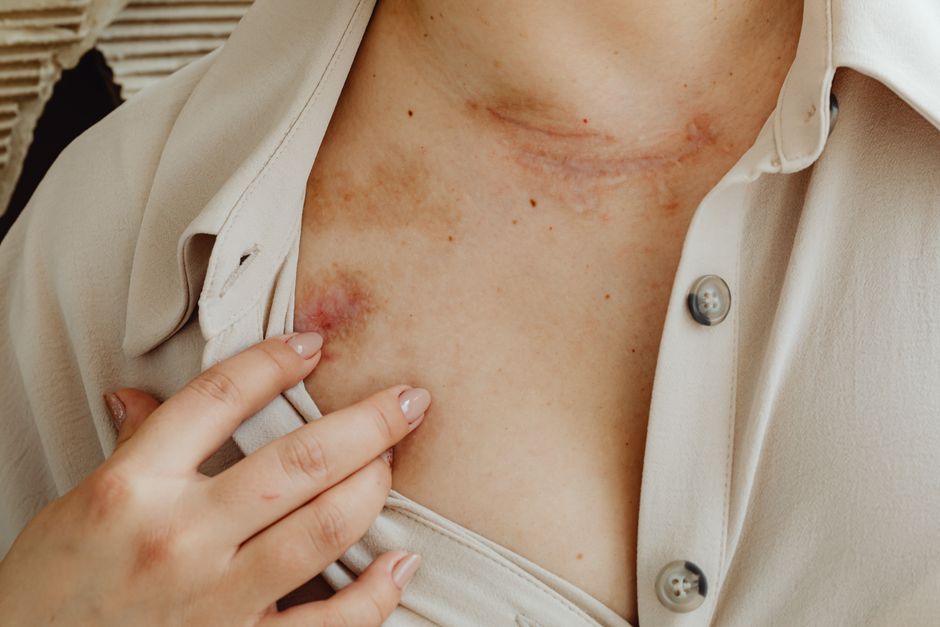
A brachioplasty — often called an arm lift — is surgery that removes loose skin and fat from the upper arm. The trade-off is a scar. The scar runs along the inner arm, usually from the armpit toward the elbow, and it is permanent. Results in the right candidate can be significant, but the scar is part of the procedure, not a side effect you can avoid.
What Is a Brachioplasty Procedure?
Brachioplasty is a surgical operation that reshapes the back of the upper arm. The surgeon removes excess skin and tissue, then closes the remaining skin with stitches. The goal is a tighter arm contour.
A surgeon usually makes the cut on the inner or back of the arm, between the armpit and the elbow. The exact path depends on how much skin needs to be removed and where it sits. Some surgeons extend the cut into the armpit. Others continue it down the side of the chest.
There are a few versions of the operation:
- Full brachioplasty: a longer cut running most of the way from armpit to elbow.
- Limited or mini brachioplasty: a shorter cut, usually near the armpit, for people with less loose skin.
- Extended brachioplasty: a longer cut that continues into the armpit or along the chest wall.
Most brachioplasties are done under general anesthesia. Some are done with sedation plus local numbing. It is usually an outpatient procedure, meaning you go home the same day.
This surgery is not a weight-loss method. It removes skin that has already stretched and will not shrink back. People often have it after major weight loss, when the arm skin no longer snaps back to the arm’s new shape.
What Do Brachioplasty Scars Look Like and Where Are They?
Brachioplasty scars are long. That is the single most important fact about them. The cut has to be long because the surgeon is removing a strip of skin, and the edges must meet to close.
The scar typically runs lengthwise along the inner arm. It may start in or near the armpit and end close to the elbow. If the surgeon extends the cut, the scar may continue into the armpit or down the chest wall.
Right after surgery, the scar looks like a fresh surgical line. It is often red, raised, and firm. Over the following weeks and months, it usually flattens and fades toward a lighter color. This change is gradual and varies a lot from person to person.
Several things affect how a scar turns out:
- Genetics: some people form thicker, raised scars more easily.
- Skin tone: darker skin can be more prone to raised or darkened scars.
- Wound tension: scars under more pull tend to widen.
- Healing problems: infection or delayed healing can worsen a scar.
- Sun exposure: ultraviolet light can darken a healing scar.
Surgeons try to place the cut where it is least visible, often on the inner arm where it can be hidden when the arm is at the side. But no placement makes a brachioplasty scar invisible. Anyone considering this surgery should expect a visible, permanent scar.
What Results Can You Expect After Brachioplasty?
Results are usually a firmer, tighter upper arm. For people with a lot of hanging skin, the change can be substantial. Clothes may fit differently, and the arm’s outline can look smoother.
The results are meant to be long-lasting. The skin that is removed does not grow back. But the arm can still change over time. Weight gain, aging, and skin changes can affect the result. Brachioplasty does not stop the body from aging or from gaining weight.
It also does not remove all fat. Some brachioplasty techniques include liposuction to shape the arm, but the main goal is skin removal, not fat loss. This is worth knowing if the goal is a slimmer arm rather than a tighter one.
There is a limit to what any arm surgery can do. If the loose skin is mild, a surgeon may suggest a smaller procedure or no surgery at all. If the skin is extensive, a longer scar may be needed to get a good result. The size of the scar and the amount of correction tend to go together.
Some people are not good candidates. Active smokers, people with poorly controlled diabetes, and people with certain bleeding or healing conditions may face higher risks. A surgeon will review health history before deciding.





How Long Does Brachioplasty Recovery Take?
Recovery is gradual and takes weeks, not days. The timeline below reflects typical recovery patterns, though individual healing varies.
In the first days after surgery, the arm is usually swollen and sore. Many surgeons place a drain to remove fluid, and most people wear a compression garment. Prescription pain medicine is often needed at first.
Over the first week or two, swelling starts to ease. Stitches may be removed or may dissolve on their own, depending on the type used. The arm is often kept wrapped or supported.
By a few weeks, many people can return to desk work and light daily tasks. Lifting, pushing, and pulling are usually limited for longer. Heavy lifting and strenuous exercise are typically avoided for several weeks. The exact timing depends on the surgeon’s instructions and how healing goes.
Scar care often continues for months. Surgeons may recommend scar creams, silicone sheets, or massage. Sun protection on the scar is important while it heals.
Swelling can take months to fully settle. The final look of the arm and the scar may not be clear until well after surgery. This is one reason it helps to judge results over a long period, not in the first few weeks.
What Are the Risks and Complications?
Every surgery has risks, and brachioplasty is no exception. The most common issues involve the wound and the scar.
Possible complications include:
- Infection at the incision.
- Poor wound healing or the wound opening.
- Fluid buildup under the skin, called a seroma.
- Bleeding or a collection of blood, called a hematoma.
- Nerve injury that can cause numbness or tingling in the arm.
- Thick, raised, or widened scars.
- Asymmetry between the two arms.
- Blood clots, which are rare but serious.
Numbness in parts of the arm is fairly common after this surgery. Some feeling may return over time, but some may not. This is a known trade-off and worth discussing with a surgeon beforehand.
Scar problems are among the most frequent concerns. A scar may heal thicker or wider than expected. Some people need further treatment, such as steroid injections or scar revision surgery, to improve a scar’s appearance.
It is important to state the honest position: no surgery is risk-free, and no surgeon can guarantee a specific scar outcome. Results and healing vary from person to person.
How Does Brachioplasty Compare to Other Options?
Brachioplasty is not the only way to address the upper arm. Other options exist, but they do different things and come with different trade-offs.
Liposuction removes fat but not skin. It can slim the arm, but it does not tighten loose skin and may even leave skin looking looser in some people. It is not a substitute for brachioplasty when the main problem is excess skin.
Nonsurgical skin-tightening treatments use energy devices to heat tissue. Some people report firmer skin, but the evidence for meaningful, lasting tightening of significant loose skin is limited. These treatments do not remove skin and generally cannot match the change from surgery.
For mild loose skin, some people choose to live with it, change their clothing, or focus on strength training. Building the arm muscles can improve the arm’s shape, but it does not remove skin.
In short, brachioplasty is the only option that directly removes skin. That is also why it leaves the longest scar. The choice comes down to how much a person wants the tightening versus how much they are willing to accept the scar.
Is Brachioplasty Worth the Scar?
That is a personal decision, and it depends on what bothers a person more: the loose skin or the scar.
For many people with a large amount of hanging skin, the tightening is worth it. Studies and surveys of patients after body-contouring surgery often show high satisfaction, though satisfaction varies and some people are unhappy with their scars. The evidence does not support saying everyone is glad they did it.
The best approach is an honest talk with a board-certified plastic surgeon. Ask where the scar will sit, how long it will be, and what it will likely look like over time. Ask about the surgeon’s experience with this specific operation. Ask what the recovery will involve in real terms.
It also helps to have realistic expectations. Brachioplasty can improve the arm’s shape and remove loose skin. It cannot give a scar-free arm, and it cannot promise a perfect result. Knowing that up front makes the decision clearer.
Frequently Asked Questions
How long is a brachioplasty scar?
A brachioplasty scar usually runs lengthwise along the inner arm, often from near the armpit to near the elbow. The exact length depends on how much skin is removed and which technique is used.
Do brachioplasty scars fade over time?
Most scars flatten and lighten over months, but they do not disappear. How much a scar fades varies by person and depends on factors like genetics, skin tone, and wound tension.
Can brachioplasty scars be hidden?
Surgeons place the cut on the inner arm so it is less visible when the arm is at the side. It can still be seen from some angles, and no placement makes the scar invisible.
Is brachioplasty the same as liposuction?
No. Brachioplasty removes loose skin, while liposuction removes fat and does not tighten skin. They address different problems and are sometimes combined.
