
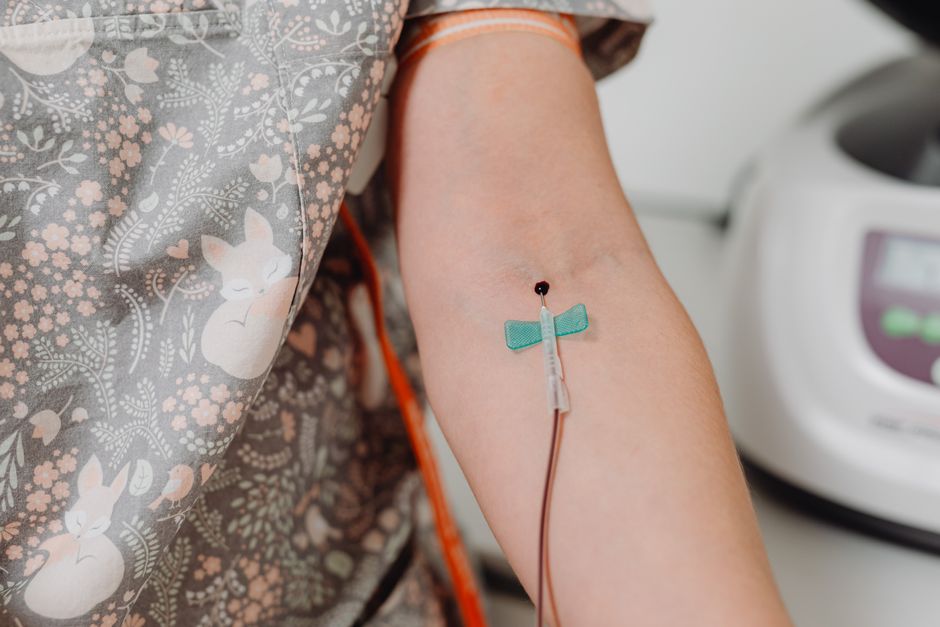
Plasmapheresis is a medical procedure that removes blood plasma from the body and replaces it with a substitute solution. It works by separating the liquid part of your blood from the cells, then returning the cells to your bloodstream. The procedure treats conditions where harmful substances in the plasma cause disease, such as certain autoimmune disorders and neurological conditions.
What Is Plasma and Why Would You Need It Removed?
Plasma is the liquid portion of blood. It makes up about 55 percent of your total blood volume. Plasma carries blood cells, proteins, hormones, and nutrients throughout your body. It also carries waste products and antibodies.
In some diseases, the plasma contains harmful components. These can be abnormal antibodies, immune complexes, or toxic proteins. When these build up, they can attack healthy tissue or organs. Removing the plasma removes those harmful substances.
Plasmapheresis is not a cure for most conditions. It is a treatment that temporarily removes damaging particles from the blood. The underlying disease still needs other management, often medications that reduce the production of those harmful substances.
How Does Plasmapheresis Work Step by Step?
The procedure uses a machine called a cell separator. A needle is placed in a vein, usually in the arm. Blood flows from the vein into the machine. The machine spins the blood at high speed to separate the plasma from the blood cells. This process is called centrifugation.
The machine collects the plasma and discards it. The remaining blood cells — red blood cells, white blood cells, and platelets — are mixed with a replacement fluid. This fluid is typically a sterile albumin solution or fresh frozen plasma. The mixture is then returned to your body through a second needle in your other arm.
One session usually takes one to three hours. The number of sessions depends on the condition being treated and how the patient responds. Some people need several sessions per week. Others need treatments less frequently over months.
There are two main types of plasmapheresis. The first is therapeutic plasma exchange, where the plasma is removed and replaced. The second is plasma donation, where a healthy person donates plasma for use in medical treatments. The procedure is the same, but the purpose differs.
What Conditions Is Plasmapheresis Used For?
Plasmapheresis treats a specific set of conditions. It is most commonly used for autoimmune diseases where antibodies attack the body’s own tissues. These include myasthenia gravis, Guillain-Barré syndrome, and chronic inflammatory demyelinating polyneuropathy.
In myasthenia gravis, abnormal antibodies block nerve signals to muscles. Removing these antibodies can quickly improve muscle strength. In Guillain-Barré syndrome, antibodies attack the peripheral nerves, causing weakness that can progress to paralysis. Plasmapheresis can stop that progression when started early.
Other conditions treated with plasmapheresis include:
- Thrombotic thrombocytopenic purpura, a rare blood clotting disorder
- Multiple sclerosis, particularly certain relapsing forms
- Certain kidney diseases caused by antibodies
- Some cases of severe lupus
- Antibody-mediated rejection after organ transplantation
Plasmapheresis is not a first-line treatment for most of these conditions. It is typically used when medications have not worked, when symptoms are severe, or when a rapid response is needed. The evidence for its effectiveness varies by condition. For some, like thrombotic thrombocytopenic purpura, it is the standard of care. For others, the evidence is less definitive.





What Are the Side Effects of Plasmapheresis?
Most people tolerate plasmapheresis well. But side effects do occur. The most common ones are mild and temporary.
Low blood pressure is the most frequent side effect. You may feel dizzy, lightheaded, or nauseated during or after the procedure. This happens because fluid shifts in the body during the exchange. It usually resolves quickly once the procedure ends.
Other common side effects include:
- Numbness or tingling in the fingers, toes, or around the mouth
- Muscle cramps
- Headache
- Bleeding or bruising at the needle site
- Fatigue
The tingling sensation is often caused by the citrate used to prevent blood from clotting in the machine. Citrate temporarily lowers calcium levels in the blood. This is usually mild and resolves on its own, though some patients receive calcium supplements during the procedure.
More serious side effects are less common but possible. These include allergic reactions to the replacement fluid, especially if fresh frozen plasma is used. Signs of an allergic reaction include hives, fever, chills, or difficulty breathing. Infection at the needle site is also possible but uncommon when proper sterile technique is used.
Blood clots can form at the catheter site. This is more of a risk when a central line is used instead of arm veins. Central lines are often needed when patients require multiple sessions or have poor arm veins.
How Long Does Recovery Take After Plasmapheresis?
There is no real recovery period for most people. You can usually return to normal activities the same day. Some people feel tired for a few hours after the procedure. This is normal and generally passes quickly.
The effects of plasmapheresis on the underlying condition are not permanent. The harmful antibodies will gradually return because the body continues to produce them. That is why repeated sessions are often necessary. The duration of benefit depends on the disease and how quickly the body regenerates the antibodies.
For Guillain-Barré syndrome, improvement can be seen within days. For chronic conditions like myasthenia gravis, the benefit lasts a few weeks to a few months, and repeat treatments are scheduled as needed.
What Are the Risks and Who Should Not Have Plasmapheresis?
Plasmapheresis is generally safe, but it is not appropriate for everyone. People with severe heart disease may not tolerate the fluid shifts that occur during the procedure. People with active infections may need to postpone treatment because plasmapheresis can temporarily reduce some immune proteins.
People with low blood protein levels, particularly albumin, may be at higher risk of complications. The same applies to people with bleeding disorders, since plasmapheresis can affect clotting factors. A doctor evaluates each patient individually before recommending the procedure.
Patients taking certain medications need careful monitoring. Some drugs are removed from the blood during plasmapheresis, which can reduce their effectiveness. Doctors may adjust medication timing so that doses are taken after the procedure rather than before.
Plasmapheresis during pregnancy requires special consideration. It is sometimes used to treat certain pregnancy-related conditions, but only when the potential benefit clearly outweighs the risks. The evidence for safety in pregnancy is limited, and treatment decisions are made on a case-by-case basis.
How Does Plasmapheresis Compare to Other Treatments?
Plasmapheresis is often compared to intravenous immunoglobulin therapy, or IVIG. Both treatments are used for similar conditions. Both work by altering the immune system, but through different mechanisms.
IVIG involves infusing antibodies from healthy donors. It is thought to work by blocking or neutralizing the harmful antibodies. Plasmapheresis physically removes the harmful antibodies. Some research suggests they are similarly effective for certain conditions. The choice between them often depends on availability, cost, and patient-specific factors.
There is no strong evidence that one is consistently better than the other for most conditions. Some patients respond better to one than the other. A doctor may recommend trying one and switching if there is no improvement.
Plasmapheresis is more invasive and requires specialized equipment and trained staff. IVIG is easier to administer but carries its own risks, including allergic reactions and kidney problems. Both treatments have a role in modern medicine.
Frequently Asked Questions
Frequently Asked Questions
Is plasmapheresis painful?
Most people feel only the initial needle stick, similar to giving blood. Some may feel mild tingling or cramping during the procedure, but significant pain is uncommon.
How many plasmapheresis sessions will I need?
The number of sessions depends on your condition and how you respond to treatment. Some conditions require several sessions over a week, while others need ongoing treatment over months.
Can plasmapheresis cure autoimmune diseases?
No, plasmapheresis does not cure autoimmune diseases. It temporarily removes harmful antibodies from the blood, but the body will continue producing them, so repeat treatments are usually necessary.
Is plasmapheresis the same as dialysis?
No, they are different procedures. Dialysis filters waste products from the blood when kidneys fail. Plasmapheresis removes whole plasma and replaces it with a substitute solution.
