
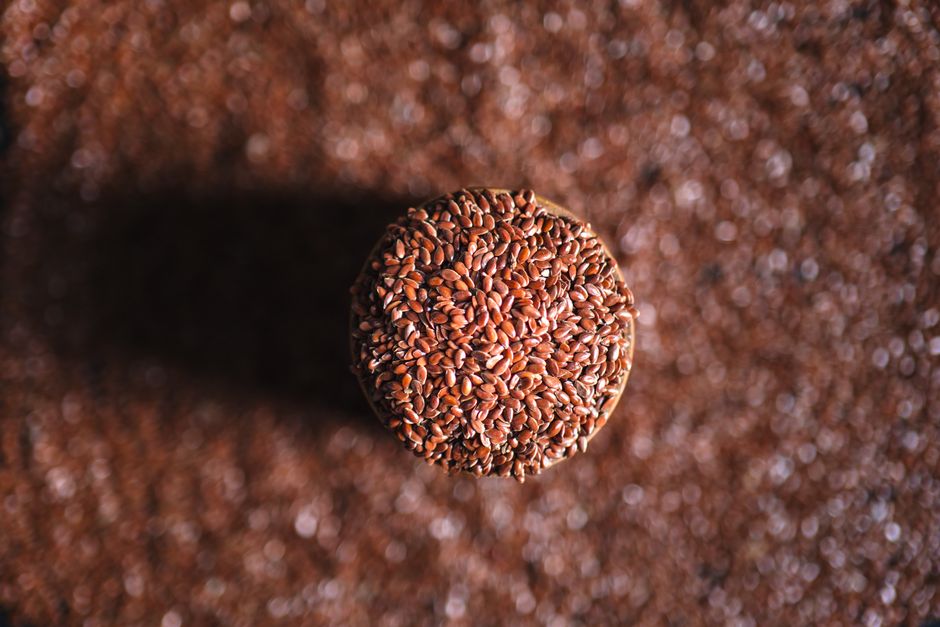
To use flax seeds for weight loss and see results, grind the seeds and take about 1 to 2 tablespoons per day as part of a calorie-controlled diet. Add them to meals like yogurt, oatmeal, or smoothies for extra fiber that helps you feel full. Studies consistently show that flax seeds can support modest weight loss when combined with a healthy diet, but they are not a quick fix.
How To Use Flax Seeds For Weight Loss And See Results?
Start with ground flax seeds, not whole. Whole seeds often pass through your digestive system undigested, so you miss the fiber and nutrients. Grinding breaks the hard shell and makes the nutrients available. You can buy pre-ground flax meal or grind whole seeds in a coffee grinder. Store ground flax in the refrigerator or freezer to keep the oils from going rancid.
Mix 1 to 2 tablespoons of ground flax seeds into a meal once or twice a day. Stir it into oatmeal, yogurt, soup, or a smoothie. You can also sprinkle it on salads or mix into homemade dressings. Drink plenty of water throughout the day. The fiber in flax seeds absorbs water and can cause bloating or constipation if you don’t drink enough fluids.
Flax seeds work best when they replace other calories, not add to them. If you add 2 tablespoons of flax seeds (about 70 calories) to your usual breakfast without removing anything, you may not lose weight. Swap a less nutritious ingredient — like croutons on a salad or a scoop of granola in yogurt — with flax seeds instead. That way you get the fiber benefit without extra calories.
How Do Flax Seeds Help With Weight Loss?
The main way flax seeds support weight loss is through their fiber content. Two tablespoons of ground flax seeds provide about 4 grams of fiber. That’s roughly 15% of the daily recommended intake for women and 10% for men. Fiber slows digestion and increases the feeling of fullness after a meal, which can help you eat fewer calories overall.
Flax seeds also contain soluble fiber that forms a gel-like substance in your stomach. This gel delays stomach emptying and prolongs the sensation of satiety. Some research suggests that people who eat more soluble fiber tend to have lower body weight and less belly fat, though the effect is modest.
The omega-3 fatty acids in flax seeds — specifically alpha-linolenic acid (ALA) — may also play a role. Some small studies indicate that ALA can influence metabolism and fat oxidation, but the evidence is not strong. For most people, the fiber effect is the most reliable and well-documented benefit for weight loss.
There is also some early research that flax seeds may affect appetite hormones, like ghrelin and peptide YY, but this area needs more human studies. Overall, flax seeds are a helpful addition to a weight loss plan, but they are not a substitute for a calorie deficit.
What Is The Best Way To Eat Flax Seeds For Weight Loss?
Ground flax seeds are the clear winner. Whole seeds are hard for the body to break down, so you get little nutritional benefit. Flaxseed oil contains no fiber and very few lignans (antioxidant compounds), so it does not help with satiety the way ground seeds do. For weight loss, the fiber matters most.
Quick comparison table
| Form | Fiber per 2 tbsp | Best for weight loss? |
|---|---|---|
| Whole flax seeds | About 4 g (but not fully absorbed) | No – pass through undigested |
| Ground flax seeds | About 4 g (absorbed) | Yes – best choice |
| Flaxseed oil | 0 g | No – lacks fiber, high calorie |
If you buy pre-ground flax meal, check the expiration date and store it in the fridge. Whole seeds last longer, so you can grind a small batch every few days. A coffee grinder or spice grinder works well. Grind only what you plan to use within a week.





How Much Flax Seed Should You Take Daily For Weight Loss?
Most studies on flax seeds and weight have used about 1 to 2 tablespoons of ground flax seeds per day. There is no officially established dose for weight loss, but this amount is commonly used in research and appears safe for most people. Starting with 1 teaspoon and slowly increasing over a week can help your digestive system adjust.
The total dietary fiber recommendation for adults is 25 grams per day for women and 38 grams per day for men. Two tablespoons of ground flax seeds provide about 4 grams, so they can contribute a meaningful portion. However, do not rely on flax seeds alone to meet your fiber needs — vegetables, fruits, and whole grains are also important sources.
Taking more than 2–3 tablespoons per day may cause digestive discomfort, including bloating, gas, or diarrhea. If you have a condition like irritable bowel syndrome (IBS) or diverticulitis, check with your doctor before adding significant fiber sources.
Can Flax Seeds Help You Lose Belly Fat?
Some studies have found that people who eat flax seeds daily experience a modest reduction in waist circumference. For example, a 2015 review of 11 studies observed that participants who took flax seeds lost about 0.5 to 1 inch from their waistlines over 12 weeks. However, the results varied, and the effect was small.
There is no specific food that targets belly fat. Overall body fat loss, which comes from a calorie deficit, will reduce waist size over time. Flax seeds can help because their fiber promotes fullness, which may help you eat less overall. But they do not zero in on belly fat any more than other high-fiber foods.
The weight loss seen in studies is modest — typically 2 to 4 pounds over 12 weeks compared to a placebo group. That is a meaningful difference when combined with other healthy habits, but it is not dramatic.
Are There Any Risks Or Side Effects?
For most people, ground flax seeds are safe when used in typical food amounts. The most common side effects are digestive: bloating, gas, or mild diarrhea if you start with too much too quickly. Always increase fiber intake gradually and drink enough water.
Flax seeds contain compounds called lignans, which are phytoestrogens. There is concern that phytoestrogens might affect hormone-sensitive conditions, but research does not support significant risk for most people. If you have a history of breast cancer or other hormone-sensitive conditions, talk to your doctor before adding flax seeds in large amounts.
Because flax seeds are high in fiber, they can bind to certain medications and reduce their absorption. Take flax seeds at least one hour apart from medications, especially blood thinners like warfarin (Coumadin) or thyroid medication. Ground flax seeds also contain small amounts of cyanogenic glycosides, which can release cyanide in very large doses, but the amounts in normal dietary intake are not a concern for healthy adults.
Pregnant or breastfeeding women should stick to typical food amounts — about 1 tablespoon per day — since safety at higher doses has not been studied.
How Long Does It Take To See Results From Flax Seeds?
Weight loss from adding flax seeds alone is modest and gradual. Most studies that showed measurable weight loss ran for 8 to 12 weeks. People in these studies lost an average of 1.5 to 4 pounds more than those not taking flax seeds, when both groups followed a reduced-calorie diet.
You may notice feeling fuller after meals within the first few days of adding ground flax seeds. That can help you eat less naturally. Visible changes in weight or waist size usually take several weeks and depend on your overall diet and activity level. Flax seeds are a tool, not a shortcut.
Frequently Asked Questions
Should I eat flax seeds whole or ground?
Always grind them. Whole flax seeds pass through your body undigested, so you miss the fiber and omega-3s. Ground flax seeds release their nutrients and provide the fullness benefit you need for weight loss.
How much flax seed should I start with per day?
Start with 1 teaspoon and slowly work up to 1 to 2 tablespoons per day over a week. This gives your digestive system time to adjust to the extra fiber.
Can I take flax seeds at night for weight loss?
You can take them at any time of day. The key is consistency and fitting them into your overall calorie budget. Eating them with a meal helps you feel full and may prevent late-night snacking.
Do flax seeds interact with medications?
Yes, the high fiber in flax seeds can reduce absorption of some medications. If you take blood thinners, thyroid medication, or diabetes drugs, take flax seeds at least one hour before or after your medication. Talk to your doctor for specific advice.
