
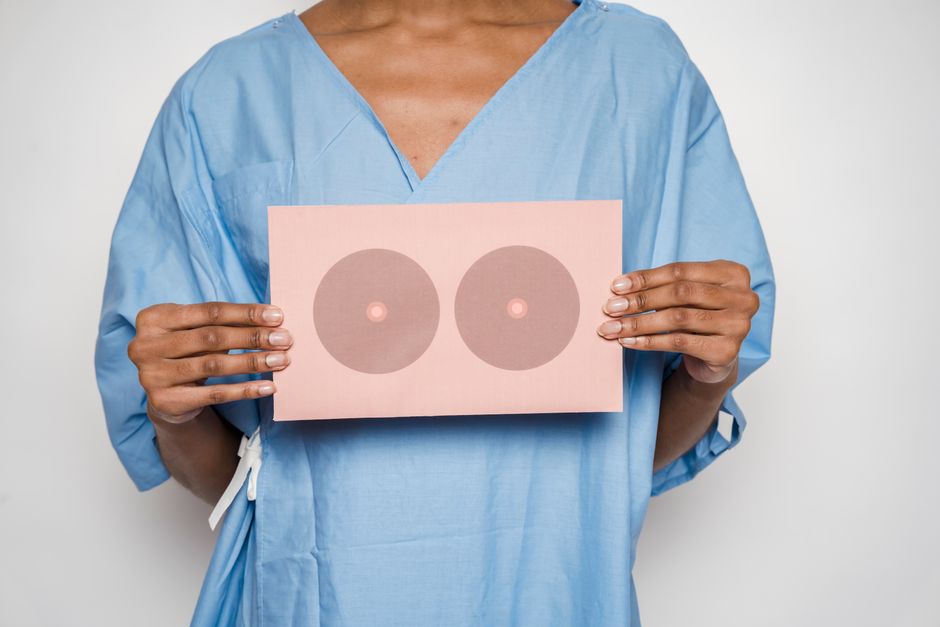
A “boob lift” is the common name for a mastopexy, a surgical procedure that raises and reshapes sagging breast tissue. The goal is to reposition the nipple and areola higher on the chest and remove excess skin to create a firmer, more youthful breast contour. It is a reshaping procedure, not an enlargement one, though it is often combined with implants.
What Is A Boob Lift and How Does It Work?
Mastopexy works by removing loose skin and tightening the remaining tissue to support the breast. The nipple-areola complex is moved to a higher, more natural position on the breast mound.
The procedure does not significantly change the volume of the breast. It changes the shape and position. If a person wants both a lift and more volume, a surgeon typically performs an augmentation-mastopexy, placing an implant at the same time.
Breast tissue itself has no muscle. It is supported by skin and a network of connective tissue called Cooper’s ligaments. When these ligaments stretch and skin loses elasticity, the breast drops. A lift addresses the skin and tissue envelope, not the internal glandular structure.
Why Do Breasts Sag in the First Place?
Several factors contribute to breast ptosis, the medical term for sagging. Gravity plays a role, but it is not the main cause for most women.
Pregnancy and breastfeeding are significant factors. The breast gland enlarges during pregnancy and then shrinks after weaning. That expansion and contraction stretches the skin and ligaments permanently. The number of pregnancies and the amount of weight gained can influence how much sagging occurs.
Weight fluctuations have a similar effect. Gaining weight stretches the skin. Losing that weight leaves the skin loose. The more significant the fluctuation, the more the breast envelope changes.
Age is another unavoidable factor. Skin loses collagen and elastin over time, making it thinner and less supportive. This process accelerates after menopause due to declining estrogen levels.
Smoking damages the elastic fibers in skin. Some research indicates that smoking increases the likelihood of breast sagging, though genetics also play a substantial role in skin quality and breast density.
How Do Surgeons Grade Breast Sagging?
Plastic surgeons use a classification system to describe the degree of ptosis. The system focuses on the position of the nipple relative to the inframammary fold, the crease where the underside of the breast meets the chest wall.
In a breast with no ptosis, the nipple sits above the fold. In mild ptosis, the nipple is level with the fold. Moderate ptosis means the nipple sits below the fold but above the lowest contour of the breast. Severe ptosis places the nipple at the very bottom of the breast, pointing downward.
This grading matters because it determines which surgical technique is appropriate. A woman with mild sagging might need only a small incision around the areola. A woman with severe sagging typically requires a full anchor-shaped incision that runs around the areola, down the breast, and along the fold.





What Are the Different Types of Lift Techniques?
There are three main incision patterns used in mastopexy. The choice depends on the degree of sagging and the amount of excess skin.
The periareolar lift uses an incision only around the edge of the areola. It is suited for mild ptosis where minimal skin removal is needed. The scar is confined to the border where the darker areola meets the lighter breast skin, which helps it blend.
The vertical lift, also called a lollipop lift, uses an incision around the areola and a vertical line down to the fold. This technique allows the surgeon to remove more skin and reshape the lower pole of the breast. It is the most common approach for moderate ptosis.
The inverted-T or anchor lift adds a third incision along the inframammary fold. This provides the most control and is used for severe ptosis. It leaves the most scarring but offers the most dramatic reshaping.
What Happens During Recovery?
Mastopexy is an outpatient procedure in most cases. The surgery itself typically takes two to three hours under general anesthesia.
Patients wake up wearing a surgical bra. Swelling and bruising are expected and usually peak within the first few days. Most people manage discomfort with prescription pain medication for the first 48 to 72 hours, then transition to over-the-counter options.
Drains are rarely used in modern mastopexy. Sutures are typically absorbable or removed at a follow-up appointment within one to two weeks.
Most patients return to desk work after one week. Strenuous exercise and heavy lifting are usually restricted for four to six weeks. The breast will settle into its final position over three to six months as swelling resolves.
What Are the Risks and Complications?
Mastopexy is generally safe, but it is major surgery. All surgeries carry risks of bleeding, infection, and adverse reactions to anesthesia.
Specific risks of a breast lift include changes in nipple sensation. Some women experience increased sensitivity; others lose sensation permanently. This is more common with techniques that require repositioning the nipple on a long pedicle of tissue.
Scarring is permanent. The scars will fade over time but will not disappear. Some people develop thickened or raised scars called hypertrophic scars or keloids.
Asymmetry is possible even with a skilled surgeon. No breast is perfectly symmetrical before surgery, and the procedure cannot guarantee perfect symmetry afterward.
Fat necrosis can occur if the blood supply to a section of tissue is compromised. This creates a firm lump that may require further evaluation or treatment.
A less common but important complication is delayed wound healing where the incisions meet, particularly at the T-junction of an anchor lift. Smokers face a significantly higher risk of this complication and are usually advised to stop smoking several weeks before surgery.
Can a Lift Alone Increase Breast Size?
No. A lift removes skin and reshapes tissue; it does not add volume. In fact, some women perceive their breasts as slightly smaller after a lift because the tissue is more compact and positioned higher.
Women who desire both a lift and larger breasts require implants. This combined procedure is called augmentation-mastopexy.
It is also worth noting that a lift alone does not prevent future sagging. Pregnancy, weight changes, and gravity continue to affect the breast after surgery. Many surgeons advise women to complete their family planning before undergoing a mastopexy, as a subsequent pregnancy can undo some of the results.
Who Is a Good Candidate for a Breast Lift?
Good candidates are women who are bothered by the position of their breasts and have realistic expectations about what surgery can achieve.
Stable weight is important. A woman planning significant weight loss should wait until she reaches her goal weight, as losing weight after a lift can leave the breast loose again.
Good overall health matters. Conditions that impair healing, such as poorly controlled diabetes or autoimmune disorders, increase surgical risk.
Non-smokers are preferred candidates. Smoking restricts blood flow to the skin and dramatically increases the risk of tissue loss and poor scarring.
Breast health should be current. A mammogram within the recommended timeframe is standard before any elective breast surgery.
Frequently Asked Questions
Will a breast lift make my breasts smaller?
It can make them appear slightly smaller because the tissue is compacted and positioned higher, but the actual volume of breast tissue is largely unchanged.
How long do breast lift results last?
Results are long-lasting but not permanent, as pregnancy, weight changes, and aging continue to affect breast tissue over time.
Can I breastfeed after a mastopexy?
Some women can breastfeed after a lift, but the ability depends on the surgical technique used and how much of the milk duct system and nerve supply remains intact.
Is a breast lift covered by insurance?
Insurance rarely covers mastopexy because it is considered an elective cosmetic procedure, not a medical necessity.
