
An MRA test is a magnetic resonance angiogram — an MRI scan that maps the blood vessels in your body. It uses a magnetic field and radio waves, not X-rays, to create detailed pictures of arteries and veins. Preparation is usually simple: you may need to avoid food for a few hours, skip caffeine, and tell your doctor about any metal implants, kidney problems, or pregnancy before the scan.
That short answer covers the basics. The rest matters just as much — what the test can and cannot show, why the contrast dye question is the one that trips most people up, and what the day itself actually feels like.
What Is An MRA Test And How Do You Prepare For One?
MRA stands for magnetic resonance angiography. It is a type of MRI that focuses on blood vessels rather than bones, organs, or soft tissue. A standard MRI can show a vessel, but an MRA is tuned to make the blood inside it stand out clearly.
There are two main ways an MRA creates that contrast:
- Time-of-flight MRA — no dye needed. It relies on the fact that moving blood gives off a different signal than stationary tissue. This works well for the arteries in the head and neck.
- Contrast-enhanced MRA — a gadolinium-based dye is injected into a vein, usually in your arm. The dye brightens the blood vessels and gives a clearer picture of the chest, abdomen, kidneys, and legs.
Unlike a CT angiogram, an MRA does not use ionizing radiation. That is one reason doctors reach for it — especially when a person may need repeated imaging over time. The trade-off is that MRA takes longer, and the machine is loud and enclosed.
Your doctor orders an MRA to look at how blood is flowing. Common reasons include narrowing in the neck arteries after a stroke or mini-stroke, aneurysms in the brain, narrowing of the kidney arteries, and problems with the arteries in the legs. It can also check veins, including the large veins in the abdomen and the veins in the brain.
How Do You Prepare for an MRA Test?
Preparation mostly comes down to three things: what you eat, what you wear, and what you tell the staff about your body and your medical history.
Many facilities ask you to avoid food for a set number of hours before a contrast-enhanced scan. The exact window varies by hospital, so follow the instructions you are given rather than a general rule. Water is usually fine. If your scan does not use contrast, you may not need to fast at all.
Caffeine is worth mentioning. Some centers ask you to skip coffee, tea, soda, and energy drinks for several hours beforehand. Caffeine can affect blood flow and, in some people, heart rate — and the scan is measuring blood flow.
Leave the jewelry at home. Metal can interfere with the magnet and, in some cases, pose a safety risk. Wear loose clothing without zippers, snaps, or metal buttons if you can. Otherwise you will change into a gown.
Bring a list of everything you take — prescriptions, over-the-counter drugs, and supplements. Bring your insurance card and any prior imaging on a disc if the facility asks for it.
Plan for the appointment to take longer than the scan itself. Check-in, a safety questionnaire, changing, and getting positioned in the machine all add time. The scan itself often runs 30 to 60 minutes, but a longer study of several vessels can take more.
Why the Metal and Implant Questions Matter So Much
The MRI magnet is always on, even when the machine is not scanning. It is strong enough to move certain metal objects inside your body. That is why the screening questions are not a formality.
Some implants are fine. Others are not. It depends on what the implant is made of and how long it has been in place.
Tell the staff about any of the following:
- Pacemakers, implanted defibrillators, or other heart devices
- Brain aneurysm clips
- Cochlear (inner ear) implants
- Metal fragments in the eye from an injury or from working with metal
- Joint replacements, surgical staples, plates, or screws
- Stents, filters, or coils placed in blood vessels
- An intrauterine device (IUD)
- Tattoos, permanent makeup, or metal-based hair dye
Many modern devices are made to be MRI-safe, and many older ones are not. This is not something to sort out on your own. The imaging team checks the exact model and material against safety databases before you go in. If you have any implant, say so even if you are sure it is safe.
Tattoos deserve a specific mention. Some older tattoo inks contain small amounts of metal. In rare cases this can cause a warming or tingling sensation during the scan. It is usually minor, but the staff should know.



What About the Contrast Dye and Your Kidneys?
This is the part of MRA preparation that has changed the most over the years, and it is the part worth understanding.
Contrast-enhanced MRA uses a gadolinium-based agent. Gadolinium is a heavy metal that, when bound to a carrier molecule, makes blood vessels light up on the scan. Most people tolerate it without issue. Some feel a brief flush, a metallic taste, or mild nausea.
The serious concern is a rare condition called nephrogenic systemic fibrosis (NSF). It has been linked to certain older gadolinium agents in people with severe kidney impairment. Because of this, current practice is to screen kidney function before giving contrast to anyone at risk.
That is why you may be asked about kidney disease, diabetes, high blood pressure, or a history of kidney surgery. You may have a blood test to check your kidney function — usually a measure called eGFR — before a contrast scan. If your kidneys are not working well, the team may use a different type of contrast, a lower dose, or skip contrast entirely and use a non-contrast MRA instead.
NSF is rare. The risk is not zero, but the screening process exists specifically to keep it that way. If you have kidney problems, do not skip this conversation.
One more point that surprises people: gadolinium can be retained in the body in small amounts after the scan, and this has been studied. The clinical significance of that retention in people with normal kidneys is not fully settled. It is a reason some doctors choose non-contrast MRA when it will answer the question just as well.
Are You Pregnant or Breastfeeding?
Tell the staff if you are pregnant or think you might be.
MRI itself does not use radiation, which is one reason it is often preferred over CT in pregnancy when imaging is needed. But the safety picture is not simple. The American College of Radiology generally considers MRI acceptable in pregnancy when the information is needed and cannot be obtained another way. The evidence on gadolinium contrast in pregnancy is more limited, and guidelines generally advise avoiding it unless the benefit clearly outweighs the risk.
For breastfeeding, the guidance has loosened over time. Current thinking from major radiology bodies is that breastfeeding does not need to be interrupted after gadolinium contrast. If you have concerns, ask your doctor and the imaging team before the scan, not after.
If you are pregnant, the decision to scan — and whether to use contrast — is one to make with your doctor, not on your own.
What Actually Happens During the Scan?
You lie on a table that slides into a large tube-shaped machine. You stay still. The machine makes loud knocking and thumping sounds, so you will get earplugs or headphones. Some centers offer music.
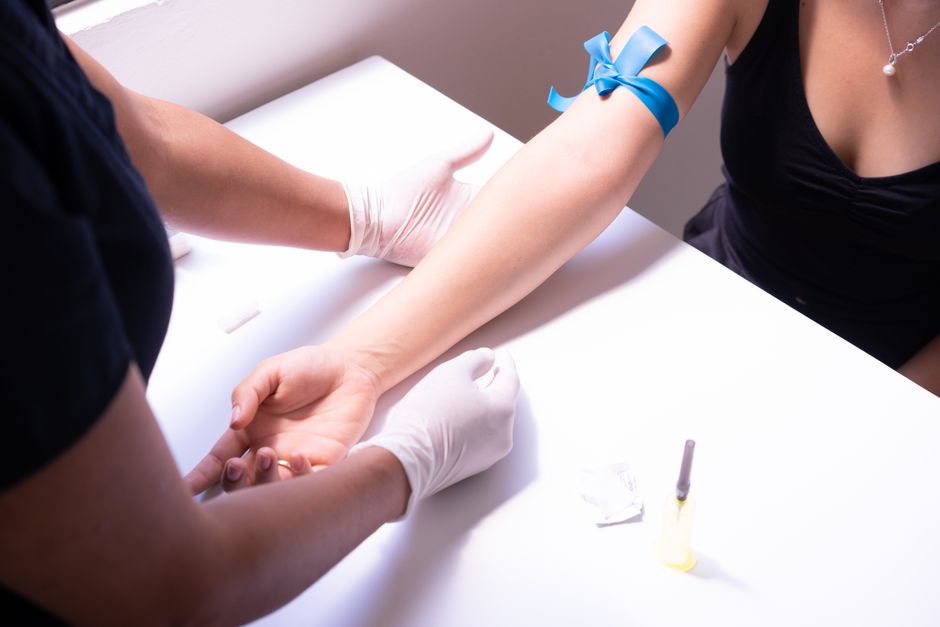
If contrast is used, a nurse places a small IV line in your arm or hand before you go in. The dye is injected partway through the scan. You may feel a cool sensation or a warm flush. That is normal.
You can usually talk to the technologist through a speaker, and there is often a squeeze ball you can hold if you need to get the tech’s attention. Most scans are not painful. The hardest part for many people is staying still and managing the enclosed space.
If you are claustrophobic, say so when you schedule. Options include a wider-bore machine, an open MRI (though not all MRA studies can be done this way), a mild sedative prescribed ahead of time, or having someone in the room with you. Arranging this in advance is far easier than trying to manage it in the moment.
After the scan, you can usually go back to your normal routine. If you had contrast, drink fluids as you normally would. Results go to the doctor who ordered the test, and a follow-up conversation is where the findings get explained in context.
What an MRA Can and Cannot Tell You
An MRA shows the shape and flow of blood vessels. It can reveal narrowing, blockage, bulging (aneurysm), malformations, and tears in vessel walls. It is a strong tool for those questions.
It is not a full picture of your heart or your overall circulation. It does not measure cholesterol, blood pressure, or how well your heart pumps. It does not replace a stress test or an echocardiogram. And a normal MRA does not mean you have no cardiovascular risk — it means the vessels imaged looked open at that moment.
Results are also read by a radiologist and interpreted by your doctor. A finding on an MRA is one piece of information, not a diagnosis on its own.
Frequently Asked Questions
Is an MRA test painful?
No, the scan itself is not painful. The main discomforts are lying still, the noise, and the enclosed space, plus a brief cool or warm feeling if contrast is injected.
How long does an MRA test take?
Most MRA scans take about 30 to 60 minutes, though a study of several vessels can run longer. Plan for extra time for check-in and setup.
Do you have to fast before an MRA?
Fasting is often required before a contrast-enhanced MRA, but the exact window varies by facility. Follow the specific instructions you are given, since non-contrast scans may not require fasting at all.
Can I drive myself home after an MRA?
Usually yes, if you had no sedative. If you were given a sedative for claustrophobia, arrange for someone else to drive you.
