
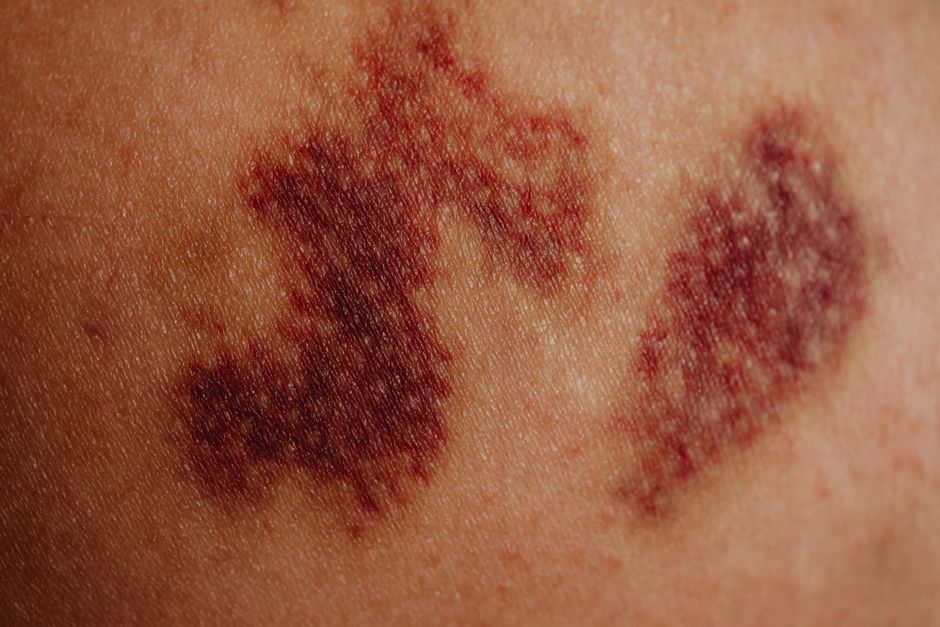
Most people have never heard the term “bone contusion,” but it describes one of the most common injuries in sports and everyday life. A bone contusion is a bruise on the bone itself. It happens when the bone’s surface and the tissue just beneath it are damaged by a direct blow or impact, but the bone does not crack or break. Doctors sometimes call it a bone bruise. It is a real injury, not a mild inconvenience, and it can take longer to heal than many fractures.
The injury sits in a strange middle ground. It is not a fracture, because the bone stays intact. It is not a simple soft-tissue bruise either, because the damage reaches the bone and the marrow inside it. That distinction matters for how long it hurts and how it is treated.
What Is A Bone Contusion and What Happens Inside the Bone?
A bone contusion is bleeding and swelling within the bone tissue after an impact, without a break in the bone’s outer shell. The bone is not a solid, dry stick. It is living tissue with a hard outer layer called cortical bone and a spongy inner layer called trabecular bone. The spongy layer contains marrow, blood vessels, and tiny structural struts.
When a force hits the bone hard enough, small blood vessels inside can tear. Blood and fluid leak into the surrounding bone and marrow. That trapped fluid creates pressure inside a space that cannot easily expand. The result is pain, tenderness, and swelling that can linger well past the visible bruise on the skin.
Doctors often describe three patterns based on where the damage sits:
- Subperiosteal — bleeding between the bone surface and the thin membrane (periosteum) that covers it.
- Intracortical — bleeding within the hard outer layer of the bone.
- Bone marrow — bleeding inside the spongy interior, often the most painful and slowest to resolve.
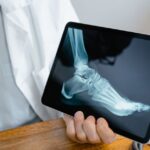
One detail that surprises many people: a bone contusion does not always show up on a standard X-ray. X-rays are good at spotting fractures because they show breaks in bone structure. A bruise does not break structure, so it can be invisible on plain film. MRI is far better at detecting the fluid and swelling inside the bone.
What Causes a Bone Contusion?
Direct impact is the main cause. Any force that strikes a bone hard enough to injure the tissue inside but not hard enough to break it can produce a contusion. The energy has to go somewhere, and when the bone holds together, the damage spreads through the interior instead.
Common situations include:
- Falling onto a hard surface and landing on a knee, hip, or elbow.
- Contact sports where players collide, such as football, hockey, or basketball.
- A hard object striking the body, like a ball, bat, or piece of equipment.
- Twisting injuries that press one bone against another, common in the knee.
Knees are a frequent site because the kneecap and the thigh bone sit close together. A twist or a fall can drive them into each other. This pattern is often seen alongside ligament injuries, particularly tears of the ACL. When a doctor finds a bone bruise on an MRI after a knee injury, it can be a clue that a ligament was also stretched or torn.
How Do You Know If You Have a Bone Contusion?
The symptoms of a bone contusion overlap heavily with those of a fracture, a sprain, and a muscle bruise, which is exactly why it is hard to self-diagnose. The most reliable sign is deep, aching pain right over the bone that gets worse when you press on it or put weight on it.
Typical signs include:
- Pain that feels deep rather than near the skin.
- Tenderness directly over the bone.
- Swelling that may take hours or a day to appear.
- Stiffness and pain when moving the nearby joint.
- Discomfort that lasts longer than a typical soft-tissue bruise.
A visible bruise on the skin is not required. Some bone contusions cause little surface discoloration. The pain can also build gradually rather than hitting all at once, which leads many people to keep using the injured area and make it worse.
Because the symptoms mimic so many other injuries, imaging is often the only way to tell them apart. If pain is severe, if you cannot bear weight, or if the joint feels unstable, that warrants medical evaluation. Those signs can point to a fracture or a ligament tear rather than a bruise alone.



How Is a Bone Contusion Diagnosed?
Diagnosis starts with a physical exam and usually moves to imaging, because the exam alone cannot reliably separate a bruise from a fracture. A doctor will press along the bone, test the nearby joint, and ask how the injury happened.
An X-ray is often the first step. Its main job is to rule out a fracture. As noted, a bone contusion frequently looks normal on X-ray, so a clean X-ray does not mean nothing is wrong.
MRI is the tool that actually shows a bone contusion. It reveals the swelling and fluid inside the bone that X-rays miss. MRI can also show damage to ligaments, tendons, and cartilage at the same time, which matters when several structures are injured together.
In some cases, a doctor may also use a CT scan, though MRI is generally preferred for soft tissue and marrow detail. The choice depends on what the doctor is looking for and what is available.
How Long Does a Bone Contusion Take to Heal?
Bone contusions often take longer to heal than people expect. Recovery is measured in weeks to months, not days. Some studies suggest that certain bone bruises, especially those deep in the marrow, can take several months to fully resolve on imaging, and in some cases changes remain visible for a year or more.
Several things affect the timeline:
- Location — bruises in weight-bearing bones tend to heal more slowly because they are stressed with every step.
- Severity — more force means more damage and a longer recovery.
- Age and overall health — healing tends to be slower in older adults.
- Reinjury — returning to activity too soon can restart the process.
Pain often improves before the bone has fully healed. That gap is where people get into trouble. Feeling better does not always mean the tissue inside has finished repairing. Pushing back into full activity during that window can prolong symptoms.
It is worth being honest about the evidence here. There is no single proven timeline that applies to everyone, and much of what doctors know comes from imaging follow-up rather than large controlled trials of recovery times. That is why guidance is usually individualized.
How Is a Bone Contusion Treated?
Treatment for a bone contusion is largely supportive. There is no medication or procedure that directly repairs the bruised bone. The goal is to control pain and protect the area while the body heals itself.
Common approaches include:
- Rest and activity modification — reducing stress on the injured bone so it can heal.
- Ice — applied in the early period to help with pain and swelling.
- Elevation — helpful when swelling is present, particularly near a joint.
- Pain relief — over-the-counter options may be used, though anyone should check with a clinician, especially with other medications or health conditions.
- Protection — crutches, a brace, or a splint may be used if the injury is in a weight-bearing area.
Some clinicians recommend avoiding certain anti-inflammatory medications in the very early phase after a bone injury, based on the idea that inflammation is part of healing. This is a debated area, and the evidence is not settled. Anyone with a bone contusion should follow the specific advice of their own clinician rather than a general rule from an article.
Physical therapy is often part of recovery once the acute pain settles. It helps restore strength and movement in the muscles and joints that were affected, which matters because weeks of guarding an injury can leave the area weak and stiff.
When Should You See a Doctor?
Seek medical care if you cannot put weight on the injured limb, if the pain is severe or getting worse, if the joint feels unstable, or if you have numbness or tingling. These signs suggest something more than a simple bruise, such as a fracture or nerve involvement.
Also see a doctor if pain does not improve after a few days of rest, or if it returns when you resume activity. A bone contusion that is not healing as expected may need imaging to check for a fracture that was missed or for other damage.
For children, older adults, and anyone with a condition that affects bone strength, a lower threshold for evaluation makes sense. The same impact can cause different injuries in different bodies.
How Does a Bone Contusion Differ From a Fracture or a Bruise?
The difference comes down to whether the bone’s structure is broken and how deep the damage goes. A fracture is a break in the bone. A bone contusion is damage to the bone tissue without a break. A soft-tissue bruise affects muscle, fat, or skin but not the bone itself.
| Injury | What Is Damaged | Bone Structure Broken? | Typical Imaging |
|---|---|---|---|
| Bone contusion | Bone tissue and marrow | No | Often normal on X-ray; MRI shows it |
| Fracture | Bone, with a break | Yes | Usually visible on X-ray |
| Soft-tissue bruise | Muscle, fat, or skin | No | Generally not seen on bone imaging |
This table is a general guide, not a diagnosis. Some injuries combine several of these at once, and only a clinician with imaging can sort out exactly what happened.
Can a Bone Contusion Be Prevented?
You cannot prevent every impact, but you can lower the risk in situations where they are common. The same habits that reduce injury risk in general apply here.
- Wear appropriate protective gear in contact sports and activities with fall risk.
- Build strength and balance, which can reduce falls, especially in older adults.
- Warm up before intense activity and avoid pushing through sharp pain.
- Give injuries time to heal before returning to full training.
Prevention advice here is general and based on broad injury-prevention principles rather than studies specific to bone contusions. There is no proven method that eliminates the risk of a bone bruise entirely.
Frequently Asked Questions
Is a bone contusion serious?
A bone contusion is a real injury, but it is not a fracture, and most heal with rest and time. It can be serious if it goes untreated in a weight-bearing area, because repeated stress can slow healing or cause further damage.
Does a bone contusion show up on an X-ray?
Often it does not, because X-rays mainly detect breaks in bone structure rather than swelling inside the bone. MRI is the imaging method that reliably shows a bone contusion.
How long does a bone contusion take to heal?
Recovery usually takes weeks to months, and some bruises remain visible on imaging for much longer. The exact timeline depends on the location, severity, and whether the area is rested.
Can you walk on a bone contusion?
Sometimes, but it depends on where the bruise is and how much it hurts. If walking causes sharp pain or the joint feels unstable, get medical evaluation before putting weight on it.
