
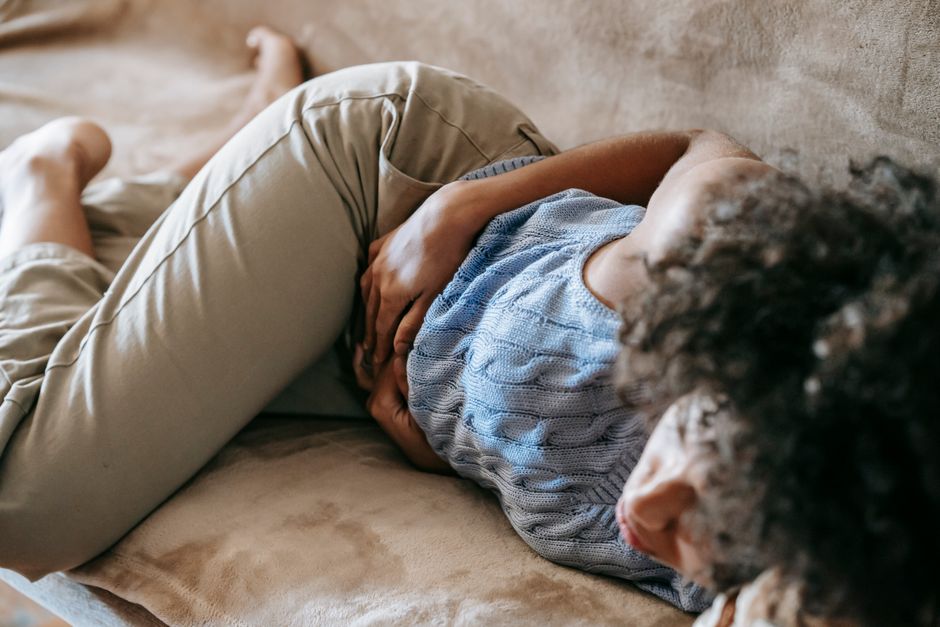
Pain at the top of the pelvic bone usually comes from one of a handful of structures: the pubic symphysis where the two halves of the pelvis meet in front, the sacroiliac joints where the pelvis meets the spine, the hip joints, or the muscles and tendons that attach around the rim of the pelvis. Because several different tissues sit close together in that area, pain that feels like it is “in the pelvic bone” can actually start in a joint, a tendon, a nerve, or an organ in the lower abdomen. The location of the pain, what makes it worse, and whether it comes with other symptoms are what point toward the cause.
What Causes Pain At The Top Of The Pelvic Bone?
The most common causes fall into a few groups. Mechanical and musculoskeletal problems are the most frequent, especially in people who are active or who have recently changed their activity. These include strain of the muscles that attach to the front of the pelvis, inflammation of the pubic joint, and dysfunction of the sacroiliac joints at the back.
In women, gynecologic conditions can also cause pain that sits low in the abdomen or over the top of the pelvis. Ovarian cysts, fibroids, endometriosis, and pelvic inflammatory disease can all produce discomfort in this region. In men, prostate problems sometimes cause pain that radiates to the pelvic area.
Digestive issues such as constipation, irritable bowel syndrome, and diverticulitis can refer pain to the top of the pelvis as well. Urinary tract infections and kidney stones may cause pain that feels like it is coming from the pelvic region, though these usually come with urinary symptoms.
Less often, the cause is something more serious. A hernia, a fracture, or in rare cases a tumor can produce pelvic pain. This is why pain that is severe, worsening, or accompanied by other warning signs deserves medical evaluation rather than self-treatment.
How Do I Tell If The Pain Is Coming From A Joint, Muscle, Or Organ?
The pattern of the pain is often the best clue. Joint and muscle pain tends to be worse with movement, certain positions, or weight-bearing. Organ-related pain tends to be more constant, may come in waves, and often comes with other symptoms like nausea, changes in bowel or bladder habits, or fever.
Pain from the pubic symphysis — the joint at the very front of the pelvis — is typically felt in the center, right over the pubic bone. It is often worse when you stand on one leg, climb stairs, or turn over in bed. This pattern is common in pregnancy, when hormones loosen the ligaments of the pelvis, but it can also happen in athletes who run or kick repeatedly.
Pain from the sacroiliac joints sits lower and toward the back, often on one side. It can feel like it is coming from the buttock or the top of the hip. It is often worse after sitting for a long time or when standing up from a chair.
Hip joint pain is usually felt in the groin, sometimes radiating to the thigh or knee. It is often worse with walking and better with rest.
Organ-related pain does not usually change much with movement. It may be linked to eating, bowel movements, urination, or the menstrual cycle. If the pain follows one of those patterns, the source is more likely inside the abdomen or pelvis than in the bone or joint itself.
Is Pelvic Pain Different In Men And Women?
Yes, and the difference matters for figuring out the cause. In women, the reproductive organs sit directly in the pelvis, so conditions affecting the uterus, ovaries, and fallopian tubes can cause pain in this area. Endometriosis, ovarian cysts, and fibroids are common examples. Pain that cycles with the menstrual period often points toward a gynecologic source.
In men, the prostate sits just below the bladder, near the base of the pelvis. Prostatitis — inflammation of the prostate — can cause pain in the lower abdomen, groin, or perineum. This is a common cause of pelvic pain in men, particularly in those under 50.
Both men and women can develop hernias, joint problems, and muscle strains in the pelvic region. So while the reproductive organs create some differences, many causes overlap.





When Should Pelvic Pain Be Checked By A Doctor?
Some pelvic pain needs prompt medical attention. Seek care right away if the pain is sudden and severe, if it comes with fever, vomiting, or fainting, if you cannot bear weight on the affected side, or if there is blood in your urine or stool. In women, severe one-sided pain with vaginal bleeding or a missed period could signal an ectopic pregnancy, which is a medical emergency.
See a doctor soon — within a few days — if the pain has lasted more than a week, is getting worse, is interfering with sleep or daily activities, or comes with unexplained weight loss, changes in bowel or bladder habits, or a lump you can feel.
For mild pain that came on after a specific activity, it is reasonable to rest, avoid the movement that triggered it, and see if it settles over a few days. If it does not improve, get it checked.
What Does Treatment Usually Involve?
Treatment depends entirely on the cause, which is why getting an accurate diagnosis matters more than trying remedies at random. For musculoskeletal causes, the mainstays are relative rest, graded return to activity, and physical therapy focused on the muscles around the hips, pelvis, and core. Some clinicians recommend ice or heat for short-term symptom relief, though the evidence for either is limited and it mostly comes down to what feels better to you.
For joint-related pain such as sacroiliac dysfunction, physical therapy is often the first step. Some clinicians use a supportive belt or manual therapy, but evidence for these approaches is mixed. Injections of anti-inflammatory medication into the joint are sometimes used when other measures fail, though this is a clinical decision made case by case.
For organ-related causes, treatment targets the underlying condition. That might mean antibiotics for an infection, hormonal treatment for endometriosis, or dietary changes for irritable bowel syndrome.
Surgery is reserved for specific situations — a hernia that needs repair, a fracture, certain gynecologic conditions, or when conservative treatment has not worked and the cause is clear.
What does not help is guessing. Pelvic pain has many possible sources, and the treatments for them are different. A wrong guess can delay the right treatment or make things worse.
Can Pelvic Pain Be Prevented?
Not all of it, but some of the most common causes can be reduced. Strengthening the muscles around the hips, pelvis, and core helps protect the joints and reduces strain on the tissues that attach to the pelvis. This is especially useful for runners, dancers, and people whose jobs involve lifting or standing for long periods.
Gradual progression in activity matters. Sudden increases in running distance, jumping, or heavy lifting are common triggers for pelvic and hip pain. Building up slowly gives the tissues time to adapt.
For pain related to pregnancy, working with a physical therapist who specializes in prenatal care can help manage symptoms and prepare the body for delivery. Pelvic floor physical therapy is also used for a range of pelvic pain conditions, though the evidence base varies by condition.
For organ-related causes, prevention depends on the specific condition. Regular check-ups, managing chronic conditions like constipation, and paying attention to changes in bowel, bladder, or menstrual patterns can help catch problems earlier.
What Makes Pelvic Pain Hard To Diagnose?
The pelvis is a crowded space. Bones, joints, muscles, nerves, blood vessels, and organs all sit within a few inches of each other. Pain from one structure can feel like it is coming from another. This is called referred pain, and it is one reason pelvic pain can be tricky to pin down.
The nerves that supply the pelvis also carry signals from the lower back, the upper thighs, and parts of the abdomen. So a problem in the spine or the hip can produce pain that feels like it is in the pelvis, and vice versa.
Getting a clear diagnosis usually involves a careful history, a physical exam, and sometimes imaging or lab tests. Ultrasound, MRI, and X-rays are all used depending on what the doctor suspects. Blood and urine tests can help rule out infection or other systemic causes.
Because so many conditions can cause similar symptoms, it often takes more than one visit to sort out. That is normal. It is not a sign that something is being missed — it is a sign that the area is genuinely complex.
Frequently Asked Questions
What does pain at the top of the pelvic bone usually mean?
It most often points to a musculoskeletal cause such as a muscle strain, pubic joint inflammation, or sacroiliac joint dysfunction. Organ-related causes like gynecologic, prostate, or digestive conditions are also common and should be considered.
Is pelvic bone pain a sign of something serious?
Most pelvic pain is not serious, but sudden severe pain, fever, fainting, or inability to bear weight needs urgent evaluation. Persistent pain lasting more than a week should also be checked by a doctor.
Can pelvic pain go away on its own?
Mild pain from a specific activity often settles with rest over a few days. Pain that lasts longer, worsens, or comes with other symptoms usually needs medical assessment.
When should I see a doctor for pelvic pain?
See a doctor if the pain lasts more than a week, is getting worse, or interferes with daily life. Seek care right away for sudden severe pain, fever, vomiting, fainting, or blood in urine or stool.
