
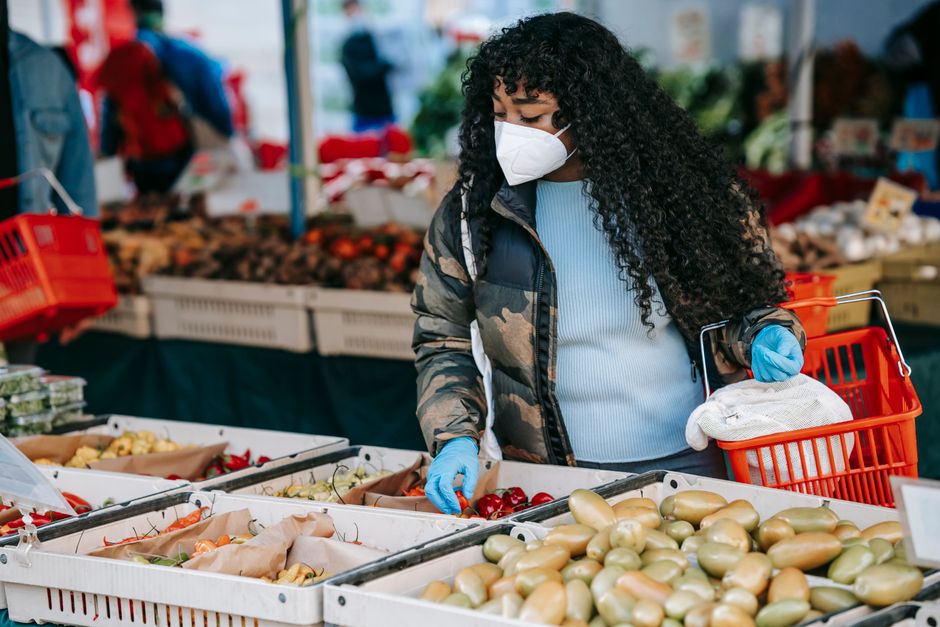
Food safety in the United States is not handled by one agency. It is split among several federal and state organizations, each with a defined role. The FDA oversees most domestic and imported food. The USDA manages meat, poultry, and egg products. The CDC tracks foodborne illness outbreaks and investigates their sources. And you — the consumer — are the final link in that chain, handling, storing, and cooking food in your own kitchen.
Who Keeps Our Food Safe Fda Usda Cdc And You?
Each agency has a specific job, and the boundaries between them are more complicated than most people realize.
The FDA (Food and Drug Administration) regulates roughly 80% of the U.S. food supply. That includes dairy, seafood, produce, packaged foods, bottled water, and food additives. It also oversees imported food, animal drugs, and dietary supplements. The FDA sets standards for food labeling, conducts inspections, and can issue recalls when problems are found.
The USDA (United States Department of Agriculture) handles meat, poultry, and processed egg products. Its Food Safety and Inspection Service (FSIS) inspects slaughterhouses and processing plants. Inspectors are present in these facilities during operation. The USDA also runs nutrition programs and sets standards for organic certification.
The CDC (Centers for Disease Control and Prevention) does not regulate food. Its role is surveillance and investigation. When people in multiple states get sick from the same food source, the CDC coordinates the investigation. It tracks patterns, identifies the pathogen, and works with the FDA and USDA to trace the contamination back to its source.
State and local health departments handle restaurants, grocery stores, and local food service. They conduct inspections and enforce local health codes. This is a layer many people overlook.
Why Are Food Safety Responsibilities Split Between Multiple Agencies?
The split is historical, not logical. It dates back to legislation passed in the early 1900s, when different agencies were created to address different problems. The FDA grew out of concerns about mislabeled and adulterated drugs and food. The USDA’s inspection role came from worries about meatpacking conditions.
Over time, these responsibilities expanded and occasionally overlapped. Today, a frozen pepperoni pizza illustrates the complexity. The FDA regulates the cheese, tomato sauce, and dough. The USDA regulates the pepperoni. One pizza, two agencies.
This fragmentation has been criticized for decades. The Government Accountability Office has repeatedly noted that the system creates gaps and inefficiencies. Multiple agencies mean multiple sets of rules, different inspection schedules, and sometimes unclear jurisdiction. Efforts to consolidate have been proposed but not implemented.
Understanding this split matters because it explains why food safety information can seem inconsistent. A recall notice for lettuce comes from the FDA. A recall for ground beef comes from the USDA. The system works, but it is not simple.
How Does the FDA Regulate Food?
The FDA’s food safety work rests on several core activities. It inspects domestic food facilities, though the frequency varies widely based on risk. High-risk facilities are inspected more often than low-risk ones. The agency also reviews food additive safety, sets tolerances for pesticide residues, and establishes standards of identity for certain products.
For imported food, the FDA relies on a combination of foreign supplier verification, border inspections, and partnerships with foreign governments. Not every shipment is inspected. The agency uses a risk-based approach to decide which imports to examine.
The FDA also enforces the Food Safety Modernization Act (FSMA), signed into law in 2011. FSMA shifted the focus from responding to contamination to preventing it. It requires food facilities to have written food safety plans, mandates preventive controls, and sets standards for produce safety and transportation. The law represents a significant change in how the FDA approaches its role.
When the FDA identifies a problem, it can request a voluntary recall or, in some cases, mandate one. The agency publishes recall notices and tracks their effectiveness.
What Does the USDA Do Differently?
The USDA’s approach to meat, poultry, and egg products is more hands-on than the FDA’s. FSIS inspectors are stationed in slaughter and processing facilities. They examine animals before and after slaughter and verify that plants are following sanitation and safety procedures.
The USDA also conducts testing for pathogens like Salmonella and E. coli in meat and poultry products. When contamination is found, the agency can request a recall or detain products. The USDA maintains a public list of recalls and public health alerts.
One key difference: the USDA’s inspection authority is continuous for slaughter facilities. The FDA’s inspections are periodic. This reflects the different risks associated with raw meat versus other foods, though the line is not always clear.
The USDA also oversees the National Organic Program, which sets standards for organic food production. This is separate from food safety but falls under the same department.
How Does the CDC Track Foodborne Illness?
The CDC’s role is to detect and investigate outbreaks. It runs surveillance systems that collect data from state health departments, laboratories, and hospitals. When a cluster of illnesses appears, the CDC looks for patterns.
The agency uses a system called PulseNet, which uses DNA fingerprinting to identify bacteria from sick patients. If multiple people in different states are infected with the same strain, PulseNet can link them. This allows investigators to identify a common food source faster than would otherwise be possible.
The CDC also estimates the burden of foodborne illness in the United States. According to CDC estimates, roughly 48 million people get sick from foodborne diseases each year, 128,000 are hospitalized, and 3,000 die. These are estimates, not exact counts, because many cases are never reported.
The CDC does not have regulatory power. It cannot recall food or fine companies. Its job is to provide the scientific evidence that other agencies use to take action.
What Role Do State and Local Agencies Play?
State and local health departments are responsible for inspecting restaurants, grocery stores, delis, food trucks, and other retail food establishments. They also investigate local outbreaks and enforce local health codes.
These agencies operate under state law, which can vary significantly. Some states adopt the FDA Food Code, a model set of regulations. Others have their own codes. This means food safety requirements for restaurants can differ from state to state.
Local agencies also handle complaints from the public. If you get sick after eating at a restaurant, your local health department is often the first place to report it.
The CDC works closely with state and local agencies during outbreak investigations. State labs often perform the initial testing that identifies a pathogen.
What Can You Do to Keep Your Food Safe?
Federal agencies set the rules and track problems. But most food safety decisions happen in your kitchen. The CDC and USDA both emphasize four basic steps: clean, separate, cook, and chill.
- Clean: Wash hands, utensils, and surfaces often. Rinse fresh produce under running water before eating, cutting, or cooking. Do not wash meat or poultry — this can spread bacteria to other surfaces.
- Separate: Keep raw meat, poultry, seafood, and eggs away from ready-to-eat foods. Use separate cutting boards and plates.
- Cook: Use a food thermometer to confirm safe internal temperatures. Poultry should reach 165°F. Ground meats should reach 160°F. Whole cuts of beef, pork, and lamb should reach 145°F with a three-minute rest.
- Chill: Refrigerate perishable foods within two hours. If the temperature is above 90°F, refrigerate within one hour. Keep your refrigerator at 40°F or below and your freezer at 0°F or below.
These temperatures are established guidelines from the USDA and FDA. They are not arbitrary. Bacteria that cause foodborne illness multiply rapidly between 40°F and 140°F, a range often called the danger zone.
Other practical steps: check for recalls, follow expiration dates, and when in doubt, throw it out. The CDC notes that some people are at higher risk for foodborne illness, including adults 65 and older, children under 5, pregnant women, and people with weakened immune systems. These groups should be especially careful with raw or undercooked foods.
How Do Recalls Work?
Recalls are usually voluntary. A company discovers a problem or is notified by regulators and agrees to remove the product from shelves. The FDA and USDA oversee the process and publish recall notices.
The FDA can mandate a recall in certain situations, but this authority is relatively new and used sparingly. The USDA can detain and seize products, and in some cases, withdraw inspection services, which effectively shuts down a facility.
Recalls are classified by severity. Class I recalls involve products that could cause serious health problems or death. Class II recalls involve temporary or reversible health problems. Class III recalls are unlikely to cause health problems but violate labeling or other regulations.
Consumers can check for recalls on the FDA and USDA websites. Many grocery stores also post recall notices at checkout or send alerts to loyalty program members.
What Are the Limits of the System?
No system is perfect. The fragmented nature of U.S. food safety oversight means there can be gaps. The FDA does not inspect every food facility every year. The USDA’s inspection system, while continuous in slaughter plants, has been criticized for not doing enough to reduce pathogen contamination before products reach consumers.
Import oversight is another challenge. The volume of imported food has grown dramatically, and the FDA inspects only a small fraction of it at the border. The agency relies on foreign suppliers and governments to meet U.S. standards, but verification is difficult.
Outbreaks still happen. The system is designed to catch them quickly and prevent wider harm, but it cannot prevent every case. That is why consumer education remains a core part of food safety strategy.
Frequently Asked Questions
Which agency is responsible for food safety in the United States?
No single agency is responsible. The FDA regulates most foods, the USDA oversees meat, poultry, and egg products, and the CDC tracks and investigates foodborne illness outbreaks.
Does the CDC inspect restaurants?
No, the CDC does not inspect restaurants or regulate food. Restaurant inspections are handled by state and local health departments.
What temperature should I cook chicken to?
The USDA recommends cooking poultry to an internal temperature of 165°F. Use a food thermometer to confirm the temperature in the thickest part of the meat.
How do I know if a food has been recalled?
You can check the FDA and USDA websites for recall notices. Many grocery stores also post recalls at checkout or send alerts to customers.
