
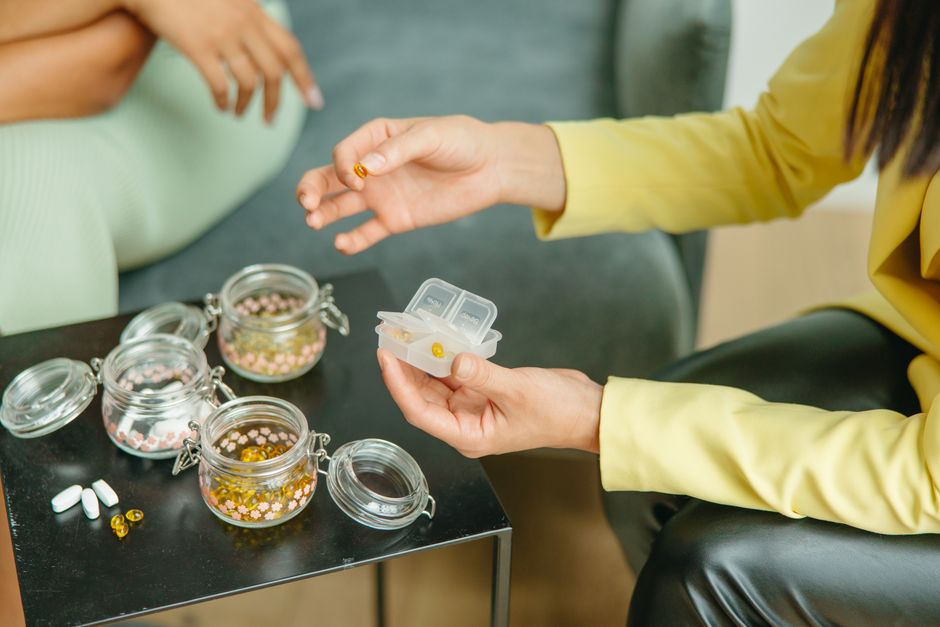
Soy is one of the most debated foods in nutrition. Ask ten people about it and you will get ten different opinions. Some call it a health food. Others claim it disrupts hormones. The confusion often starts with one simple question: does soy contain estrogen? The direct answer is no. Soy does not contain human estrogen. It contains plant compounds called isoflavones, which are often called phytoestrogens. These compounds are structurally similar to human estrogen, but they are not the same thing. They act differently in the body, and the effect is much weaker than the estrogen your body produces on its own.
What Are Phytoestrogens in Soy?
Phytoestrogens are natural plant compounds. The main ones in soy are called isoflavones. The three most studied are genistein, daidzein, and glycitein. These compounds have a chemical shape that loosely resembles estradiol, the main form of estrogen in the human body.
Because the shape is similar, isoflavones can bind to estrogen receptors in your cells. But they bind much more weakly than your own estrogen does. Research consistently shows that isoflavones have about 1/100th to 1/1000th of the potency of estradiol. This means they can trigger a mild response, but they are not a substitute for the real hormone.
Calling soy estrogen is like calling a tricycle a motorcycle because both have two wheels. The basic structure is similar, but the power and function are entirely different.
Does Soy Contain Estrogen or Something Else?
To be precise, soy contains isoflavones, not estrogen. The distinction matters. Human estrogen is a steroid hormone. Isoflavones are polyphenolic compounds. They are chemically different classes of molecules.
When you hear someone say soy has estrogen, they are using shorthand for phytoestrogens. This shorthand causes real confusion. It leads people to believe that drinking soy milk is like taking a low-dose estrogen pill. That is not accurate.
The human body treats these compounds differently. Your liver metabolizes isoflavones quickly. They do not accumulate in the body the way some synthetic chemicals do. They are also processed differently depending on your gut bacteria. Some people convert isoflavones into a compound called equol, and others do not. This genetic difference explains why study results on soy vary from person to person.
How Do Soy Isoflavones Affect the Body?
Isoflavones can bind to both types of estrogen receptors in the body. These are called ER-alpha and ER-beta. Here is a non-obvious detail that matters: isoflavones prefer ER-beta. This is important because ER-beta is more common in certain tissues like bone, brain, and blood vessels, while ER-alpha dominates in breast and uterine tissue.
Because isoflavones prefer ER-beta, their effects are not the same as estrogen. In some tissues, they act like a weak estrogen. In others, they can block the stronger natural estrogen from binding. This is why researchers describe them as having both estrogenic and anti-estrogenic effects. It depends on the tissue and the amount of natural estrogen present.
In a premenopausal woman with normal estrogen levels, isoflavones may compete with the stronger natural estrogen and reduce its effect. In a postmenopausal woman with low estrogen, isoflavones may provide a weak estrogen-like effect. This context is why blanket statements about soy being good or bad for hormones are oversimplified.



Does Eating Soy Affect Estrogen Levels in Men?
This is one of the most common concerns. Men worry that soy will lower testosterone or cause breast growth. The evidence does not support this fear.
Multiple clinical trials have measured testosterone levels in men who consumed soy protein or isoflavone supplements. The results consistently show no significant change in total testosterone, free testosterone, or estrogen levels. Some research suggests that men who consume soy have slightly lower estrogen levels, not higher ones. This is the opposite of what most people expect.
The fear of male breast growth from soy is not supported by clinical evidence. There are isolated case reports in medical literature, but these involve men who consumed extreme amounts of soy supplements, not normal dietary intake. No large human trial has confirmed that dietary soy causes gynecomastia in men.
Can Soy Help or Harm Women’s Hormones?
For women, the research focuses on two areas: breast cancer risk and menopause symptoms. The evidence is more nuanced than either side of the debate admits.
On menopause, some studies show that soy isoflavones can reduce hot flash frequency and severity. The effect is modest, not dramatic. Not every woman responds. The women who respond best may be those whose gut bacteria produce equol. Only about 25-30% of Western women have this ability, compared to about 50-60% of women in Japan and other Asian countries.
On breast cancer, the picture is different. Large observational studies in Asian populations have associated lifelong soy consumption with a lower risk of breast cancer. For women who already had breast cancer, soy consumption has not been shown to increase the risk of recurrence. Some research even suggests a protective effect. The American Cancer Society does not warn against soy for breast cancer survivors, and some oncology organizations note that moderate soy intake appears safe.
The key word is moderate. That means one to two servings of whole soy foods per day. This is not the same as taking concentrated isoflavone supplements, which are a different question entirely.
What About Soy Infant Formula?
This topic deserves special attention because it involves babies. Soy infant formula contains isoflavones, and infants consume a higher dose per body weight than adults who eat soy.
Infants on soy formula consume about 6-9 mg of isoflavones per kilogram of body weight per day. This is higher than the intake of adults in Asian countries who eat soy regularly. This has raised concerns for decades.
The current clinical position is that soy formula is safe for healthy full-term infants. It has been used for over 100 years. Major pediatric organizations continue to approve it as an alternative for infants who cannot tolerate cow’s milk formula. However, it is not recommended for premature infants or those with certain medical conditions. The evidence does not show lasting hormonal effects, but long-term data on adults who were raised on soy formula remains limited.
No clinical guidelines currently recommend soy formula for healthy infants unless there is a medical reason. It is a safe alternative, not a preferred choice.
Should You Worry About Soy in Your Diet?
For most people, the answer is no. Whole soy foods include tofu, tempeh, edamame, miso, and soy milk. These are nutrient-dense foods that provide protein, fiber, and various vitamins and minerals.
The concerns about soy are largely based on animal studies where rodents were given extremely high doses of isoflavones. Rodents metabolize isoflavones very differently from humans. Their bodies produce much higher levels of equol, and the effects cannot be directly translated to people.
Human studies do not show the same harmful effects. The FDA has reviewed the evidence and continues to allow soy protein to be labeled as heart-healthy. The European Food Safety Authority has also reviewed soy isoflavone supplements and found no evidence of harm to the breast or uterus at doses up to 100 mg per day.
That said, concentrated isoflavone supplements are not the same as food. These supplements are not regulated like medications, and their long-term effects at high doses are not fully understood. If you choose to take them, the evidence base is much thinner than for whole soy foods.
How Much Soy Is Safe to Eat?
There is no established upper limit for soy in the diet. Clinical guidelines do not specify a maximum safe amount of whole soy foods. The evidence suggests that traditional Asian diets, which include one to three servings of soy daily, are associated with positive health outcomes.
A serving of soy foods is roughly:
- Half a cup of tofu
- Half a cup of edamame
- One cup of soy milk
- Three ounces of tempeh
These amounts fall well within the range studied in human trials. Eating this amount daily is not associated with any known adverse effects. The concern about thyroid function, for example, only applies to people with existing thyroid conditions who consume large amounts of soy while not getting enough iodine. For healthy people, this is not a practical concern.
Frequently Asked Questions
Does soy contain estrogen?
No. Soy contains isoflavones, which are plant compounds called phytoestrogens. These are structurally similar to human estrogen but much weaker and chemically different.
Can soy lower testosterone in men?
No. Clinical trials consistently show that soy does not significantly change testosterone levels in men, even when consumed daily.
Is soy formula safe for babies?
Yes, for healthy full-term infants. It has been used for over a century and remains an approved alternative to cow’s milk formula, though it is not recommended for premature infants.
Does soy increase breast cancer risk?
No. Large observational studies do not show increased risk, and some research suggests lifelong soy consumption may lower risk. Moderate intake appears safe for breast cancer survivors.
