
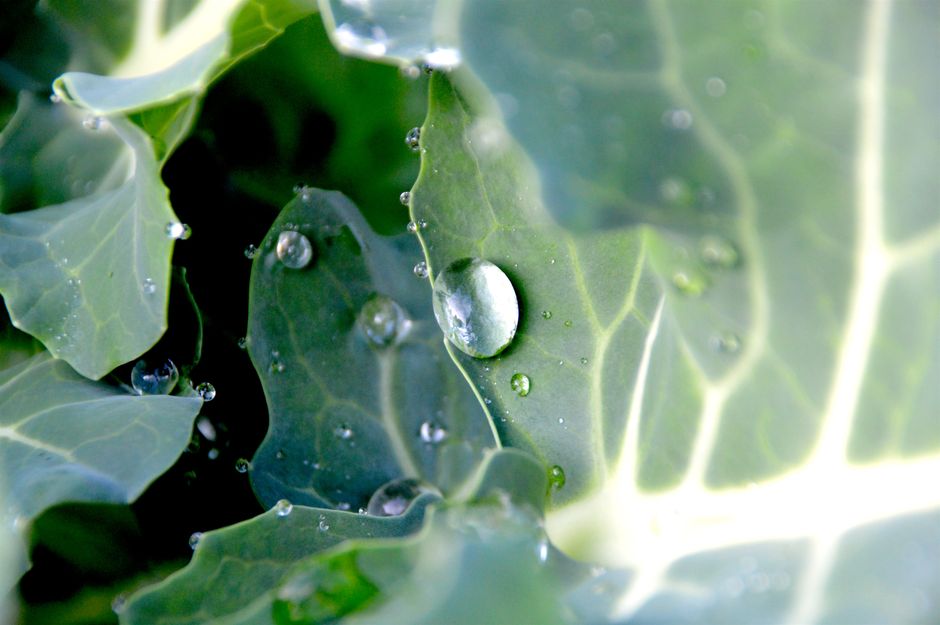
Chlorophyll is the green pigment in plants that captures energy from sunlight during photosynthesis. When you eat it in leafy greens or take it as a supplement, it acts as an antioxidant in your body. Research suggests it may help with skin health, body odor, and wound healing, though the evidence for many popular claims is still limited.
What Is Chlorophyll and How Does It Work in the Body?
Chlorophyll has a chemical structure remarkably similar to hemoglobin, the protein that carries oxygen in your red blood cells. The main difference is that hemoglobin has iron at its center while chlorophyll has magnesium. This similarity is why some researchers first became interested in chlorophyll’s potential health effects.
When you consume chlorophyll, your body does not absorb it whole. Digestive acids strip away the magnesium molecule, converting chlorophyll into a related compound called pheophytin. This matters because most of the research on chlorophyll’s benefits actually involves these breakdown products rather than the original molecule.
Liquid chlorophyll supplements typically contain chlorophyllin, a semi-synthetic water-soluble version made from chlorophyll. Chlorophyllin is more stable and better absorbed than natural chlorophyll, which is why most commercial products use it.
What Is Chlorophyll Good For?
Chlorophyll shows the most promise for three specific uses: skin health, body odor control, and wound healing. These are the areas where clinical research exists, not just laboratory studies.
Skin health. Some research suggests chlorophyllin applied to the skin may help with acne and photoaging. A small study found that a chlorophyllin gel reduced acne lesions when used alongside traditional acne treatments. The antioxidant properties of chlorophyll may help protect skin cells from oxidative damage caused by UV exposure, though it is not a sunscreen and should never replace sun protection.
Body odor. Chlorophyll has been used internally as a deodorizer since the 1940s. Some older research suggested it could reduce the odor of stool, urine, and body sweat. The evidence here is dated and limited, but the practice persists in clinical settings for certain patients with ostomy bags or incontinence-related odor.
Wound healing. Chlorophyllin ointment has a long history of use in wound care. Some older studies found it helped reduce odor in chronic wounds and may have supported healing. Modern wound care has largely moved to other treatments, but the historical evidence is real.
These uses have varying levels of support. The skin and wound evidence comes from small studies. The odor research is decades old. None of it is strong enough to call chlorophyll a proven treatment for any condition.
Can Chlorophyll Help With Weight Loss or Detoxification?
These are the claims you will see most often in marketing, and they have the weakest evidence.
Weight loss. No clinical trial has shown that chlorophyll causes meaningful weight loss. Some animal research suggests chlorophyll may influence appetite-regulating hormones, but this has not translated into human results. Any weight loss associated with chlorophyll supplements is likely due to other factors, not the chlorophyll itself.
Detoxification. The body does not need help detoxifying. Your liver and kidneys perform this function continuously. Chlorophyll does not speed up these processes. One area of genuine research interest involves chlorophyll’s ability to bind to aflatoxins, which are toxic compounds produced by mold. Some studies in China found that chlorophyllin reduced aflatoxin biomarkers in people exposed to contaminated food. This is promising but specific to aflatoxin exposure, not general detoxification.
If a product claims to “detox” your body or “flush toxins,” that is marketing language, not medical language. No supplement does this.





What Does the Research Say About Chlorophyll as an Antioxidant?
Chlorophyll and its derivatives do have antioxidant activity. They can neutralize free radicals, which are unstable molecules that can damage cells over time. This is well established in laboratory research.
What is less clear is whether this antioxidant activity translates into meaningful health benefits in humans. Consuming chlorophyll-rich foods like spinach, kale, and parsley provides antioxidants along with fiber, vitamins, and minerals. The whole food is clearly beneficial. Isolating chlorophyll and taking it as a supplement may not reproduce those benefits.
Some research suggests chlorophyll may reduce oxidative DNA damage. One small human study found that chlorophyllin supplementation reduced a specific marker of DNA damage in the blood. This is interesting but does not mean chlorophyll prevents cancer or chronic disease. Larger trials have not confirmed these findings.
How Much Chlorophyll Should You Take?
There is no established recommended daily allowance for chlorophyll. It is not an essential nutrient, meaning your body does not require it from food to function.
Chlorophyll supplements commonly contain 100 to 300 milligrams of chlorophyllin per serving. Some research studies have used higher doses. However, no clinical guidelines exist for supplement dosing. If you choose to take chlorophyll, follow the dosage on the product label and discuss it with your healthcare provider, especially if you take other medications.
For food sources, eating a variety of green vegetables is the safest and most evidence-based approach. There is no known upper limit for chlorophyll from food because you cannot realistically eat enough greens to consume a problematic amount.
Are There Any Risks or Side Effects?
Chlorophyll and chlorophyllin are generally well tolerated. The most common side effects are mild digestive issues like loose stools or stomach cramping. Some people report green discoloration of the tongue or stool, which is harmless.
One important note: chlorophyll can make your skin more sensitive to sunlight. This is rare but documented in some case reports. If you take chlorophyll supplements and notice your skin burning more easily, stop and talk to your doctor.
Pregnant and breastfeeding women should avoid chlorophyll supplements because no safety data exists for these populations. Children should not take chlorophyll supplements unless a pediatrician recommends them. Chlorophyll from food is safe for everyone.
Chlorophyll may interfere with some medications, particularly those that affect the liver. If you take prescription medications, ask your pharmacist or doctor about potential interactions before starting a supplement.
Chlorophyll-Rich Foods vs. Supplements
Getting chlorophyll from food is always preferable to supplements for one simple reason: you get the whole package. Green vegetables contain chlorophyll alongside fiber, vitamins, minerals, and other beneficial plant compounds that work together.
| Food Source | Chlorophyll Content | Additional Nutrients |
|---|---|---|
| Spinach | High | Iron, folate, vitamin K, vitamin A |
| Kale | High | Vitamin C, calcium, vitamin K |
| Parsley | High | Vitamin C, vitamin K, flavonoids |
| Green beans | Moderate | Fiber, vitamin C, vitamin K |
| Broccoli | Moderate | Fiber, vitamin C, sulforaphane |
| Peas | Moderate | Fiber, protein, B vitamins |
Supplements are more concentrated, which is useful if you want a specific effect like odor control. But concentrated does not mean better. The research on chlorophyll supplements is not strong enough to recommend them over a diet rich in vegetables.
What About Chlorophyll Water and Liquid Drops?
Chlorophyll water has become popular on social media. These products typically contain chlorophyllin diluted in water. They are safe to drink in reasonable amounts, but they are not a health necessity.
The main benefit of chlorophyll water is that it may encourage you to drink more fluids. That is a legitimate benefit, but it is the water doing the work, not the chlorophyll. If you like the taste and it helps you stay hydrated, there is no harm. Just do not expect dramatic health effects.
Be aware that some chlorophyll water products contain added sugar or artificial flavors. Check the label before buying. Plain water with a squeeze of lemon and a handful of spinach in your diet will provide similar benefits at a lower cost.
Frequently Asked Questions
Does chlorophyll help you lose weight?
No clinical trial has shown that chlorophyll causes weight loss. Some animal studies suggest it may influence appetite hormones, but this has not been confirmed in humans.
Can you take chlorophyll every day?
Yes, chlorophyll supplements are generally safe for daily use in healthy adults when taken at the labeled dose. Stop and consult a doctor if you experience digestive discomfort or unusual sun sensitivity.
Is liquid chlorophyll better than capsules?
There is no evidence that liquid chlorophyll is absorbed better than capsule forms. Choose whichever format you prefer and can take consistently.
Does chlorophyll actually detox your body?
Your liver and kidneys detoxify your body naturally. Chlorophyll does not speed up this process, though some research shows it may bind to certain mold toxins in the digestive tract.
