
Bronchitis makes the airways in your lungs swell and fill with mucus. That leads to a cough that can last for weeks. The most direct answer to what helps soothe bronchitis is simple: rest, plenty of fluids, and time. For the cough itself, honey and warm liquids offer the most reliable relief. Over-the-counter cough medicines have mixed evidence, and antibiotics only work if bacteria caused the infection, which is rare.
What Actually Happens When You Have Bronchitis?
Bronchitis is an inflammation of the bronchial tubes. These are the large airways that carry air from your windpipe into your lungs. When they get irritated, they swell and produce extra mucus. Your body coughs to clear that mucus out.
Most cases are acute bronchitis. A virus causes over 90% of them. The same viruses that cause colds and the flu are usually to blame. Bacteria cause only a small fraction of cases. This matters because antibiotics treat bacteria, not viruses.
Acute bronchitis usually clears up on its own within 1 to 3 weeks. The cough can linger for up to 8 weeks in some people. That is frustrating but normal. The swelling takes time to go down, and the airways stay sensitive for a while after the infection clears.
What Helps Soothe Bronchitis at Home?
The main goals are thinning the mucus, calming the cough, and letting your body fight the infection. None of these require a prescription.
Rest is the foundation. Your immune system works harder when you are active. Giving your body downtime lets it direct energy toward healing. You do not need to be in bed all day, but you should cut back on strenuous activity until the fever and heavy symptoms pass.
Fluids are the next priority. Water, warm tea, broth, and clear soups all help. Staying hydrated keeps the mucus thinner and easier to cough up. Thick mucus sticks to the airways and makes coughing harder and more painful. There is no magic amount, but drinking enough that your urine stays light yellow is a practical guide.
Honey is one of the best-studied home remedies for cough. Research has found it works as well as some over-the-counter cough suppressants. A spoonful of honey soothes the throat and may reduce the urge to cough. Do not give honey to children under 1 year old because of the risk of infant botulism.
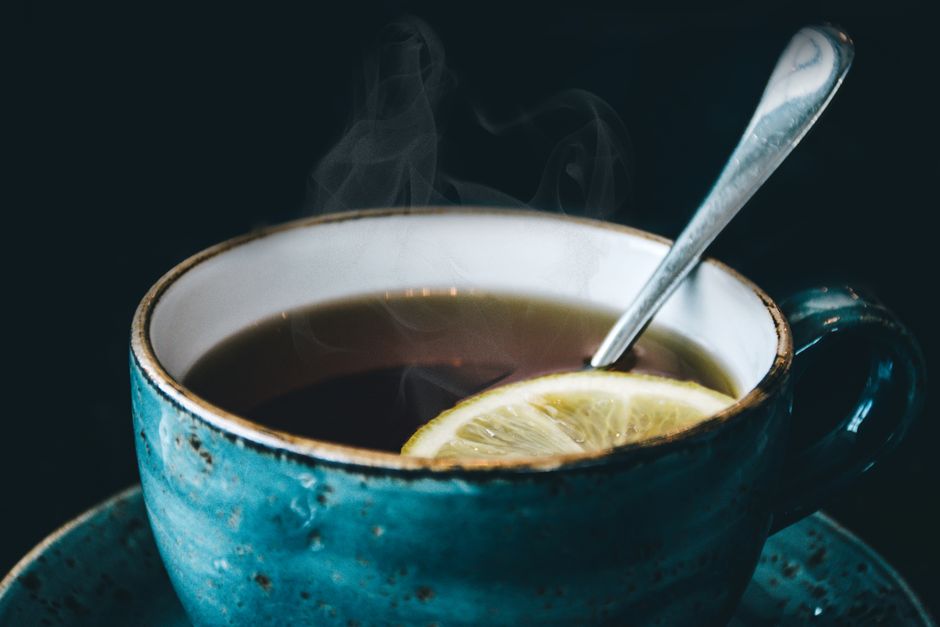
Warm liquids like tea with lemon or warm water help in two ways. The steam adds moisture to the airways, and the warmth can relax irritated throat tissues. Some research suggests warm drinks relieve symptoms like sore throat, chills, and cough better than room-temperature drinks.
Does Steam or Humidified Air Help?
Moist air can help loosen mucus. A cool-mist humidifier in your bedroom adds moisture to the air you breathe all night. This may make coughing less frequent and more productive.
Steam from a hot shower works the same way. Sitting in a steamy bathroom for 10 to 15 minutes can ease coughing fits. Some people find this helps most in the morning when mucus has settled overnight.
Evidence for steam therapy is modest. Some studies show benefit, others show little difference. It is low-risk and worth trying if you find it comfortable. If steam makes you feel worse or triggers more coughing, stop. Your own response is the best guide.
One caution: very hot steam can burn your airways and skin. Keep a safe distance from the water source. For children, use a cool-mist humidifier instead of hot steam to avoid burn risk.





Which Over-the-Counter Medicines Actually Work?
This is where the evidence gets complicated. Many cough products contain multiple ingredients, and few have strong proof behind them.
Expectorants like guaifenesin (found in Mucinex) are supposed to thin mucus. The idea is that thinner mucus is easier to cough up. Some studies show benefit, and many people report it helps. The effect is modest at best. It is not a cure, and it will not stop the cough itself.
Cough suppressants like dextromethorphan reduce the cough reflex. They can help you sleep through the night, but they do not treat the underlying inflammation. Some research questions whether they work better than a placebo for acute cough. If your cough is productive — meaning you are bringing up mucus — suppressing it may not be helpful. You want to clear that mucus out, not hold it in.
Pain relievers like acetaminophen or ibuprofen can help with fever, body aches, and chest discomfort from coughing. They do not treat the bronchitis itself, but they make the experience more tolerable.
Antibiotics are not helpful for viral bronchitis. Taking them when you do not need them contributes to antibiotic resistance and can cause side effects like diarrhea or allergic reactions. Your doctor may prescribe antibiotics if you have signs of a bacterial infection, such as a high fever lasting more than a few days, or if you have underlying lung disease. Otherwise, they are not part of standard treatment.
When Should You See a Doctor?
Most bronchitis cases resolve without medical care. But some symptoms warrant a call to your doctor.
Seek medical attention if you have:
- A fever above 100.4°F (38°C) lasting more than 3 days
- Coughing up blood
- Shortness of breath or trouble breathing
- Chest pain that is sharp or worsens with breathing
- A cough lasting more than 3 weeks without improvement
- Repeated episodes of bronchitis
People with asthma, COPD, heart failure, or weakened immune systems should check in with a doctor earlier. What looks like bronchitis can be pneumonia, worsening asthma, or another condition that needs different treatment.
If you have a chronic cough that keeps coming back, it may not be acute bronchitis at all. Postnasal drip, acid reflux, and asthma can all cause persistent coughs. These need different treatments, and a doctor can help sort out the cause.
What Does Not Help Bronchitis?
Several popular remedies lack evidence or can actually make things worse.
Antibiotics are the biggest one. Unless a doctor confirms a bacterial infection, they will not shorten your illness. Taking them unnecessarily does nothing for viral bronchitis and increases the risk of resistant bacteria.
Over-the-counter cough and cold medicines for children under 6 are not recommended by major health authorities. They have not been shown to work in young children, and they carry risk of side effects.
Smoking is the worst thing you can do during bronchitis. Smoke irritates already-inflamed airways and slows healing. This includes secondhand smoke and vaping. If you smoke, this is a good time to stop, even temporarily, so your lungs can recover.
Air pollution and strong fumes also irritate airways. Avoid harsh cleaning products, paint fumes, and heavily polluted air while recovering. Wearing a mask in polluted environments, if you must go out, can reduce exposure.
How Long Does Bronchitis Last?
The acute phase — fever, fatigue, heavy mucus — usually lasts 3 to 10 days. The cough often lingers for 2 to 3 weeks after that. Some people cough for 6 to 8 weeks.
The lingering cough does not mean the infection is still active. It means the airways are still healing and remain sensitive. Any irritant — cold air, smoke, talking too much — can trigger a coughing spell during this time.
If your cough has not improved after 3 weeks, or if it gets worse, see a doctor. Persistent coughs can signal other conditions like whooping cough, asthma, or acid reflux.
Does What You Eat or Drink Matter?
No specific food cures bronchitis. But some choices support recovery.
Warm soups and broths provide fluids, electrolytes, and easy-to-digest nutrition. They also add warmth and steam, which can soothe irritated airways.
Spicy foods may help some people. Capsaicin in chili peppers can thin mucus temporarily, similar to how it makes your nose run. This is not well studied for bronchitis specifically, and spicy food triggers reflux in some people, which makes coughing worse. Use your judgment.
Caffeine and alcohol can dehydrate you. Dehydration thickens mucus, making it harder to cough up. It is fine to have your morning coffee, but balance it with extra water. Alcohol is best avoided while you are actively sick.
Dairy does not increase mucus production. This is a common myth. Studies have not found that milk or dairy products make the body produce more mucus. If dairy makes your throat feel coated or your mucus feel thicker, reduce it. But you do not need to cut it out based on the belief that it worsens bronchitis.
Can You Prevent Bronchitis?
Prevention focuses on avoiding the viruses that cause it.
Handwashing is the most effective measure. Respiratory viruses spread through droplets and contaminated surfaces. Washing your hands regularly, especially before touching your face, reduces your risk.
Annual flu shots reduce your risk of influenza, which can lead to bronchitis. COVID-19 vaccines similarly reduce the risk of severe respiratory infections. Pneumococcal vaccines protect against certain bacterial pneumonias, though they do not prevent viral bronchitis.
Not smoking is the single biggest lifestyle factor. Smokers get bronchitis more often, and their symptoms last longer. The damage smoking does to airway cilia — the tiny hairs that sweep mucus out of the lungs — makes clearing infections harder.
Frequently Asked Questions
Is honey better than cough medicine for bronchitis?
Some studies suggest honey relieves nighttime cough as well as common over-the-counter cough suppressants. It is a reasonable first choice for adults and children over 1 year old.
How long is bronchitis contagious?
You are contagious as long as you have active symptoms, typically 3 to 7 days after symptoms start. The lingering cough after that is not a sign you are still spreading the virus.
Can bronchitis turn into pneumonia?
Yes, but it is uncommon in otherwise healthy people. If your fever returns after improving, you develop shortness of breath, or your cough worsens after a week, see a doctor.
Should I take antibiotics for bronchitis?
Only if a doctor confirms a bacterial infection. Most bronchitis is viral, and antibiotics will not help or shorten the illness.
