
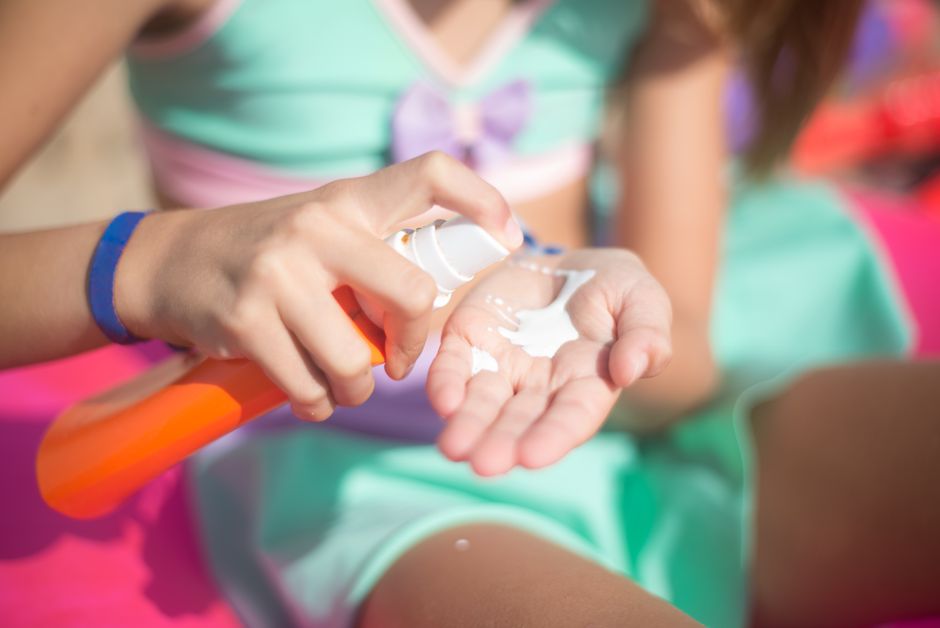
A sunburn is your skin’s visible reaction to too much ultraviolet (UV) radiation. The immediate answer to what helps is straightforward: cool the skin, moisturize it, and manage the pain with over-the-counter options while your body repairs the damage. For most people, a sunburn is uncomfortable but temporary, and you can do a lot at home to ease the symptoms. More severe burns need medical attention, and the only true cure is prevention, since the damage to your skin’s DNA is already done by the time you see the redness.
What Is Actually Happening to Your Skin?
Sunburn is not a heat burn. It is a radiation burn caused by ultraviolet B (UVB) rays damaging the DNA in your skin cells. Your body’s immune system responds to this damage by increasing blood flow to the area, which causes the redness and warmth you feel. That increased blood flow also brings white blood cells to clean up the damaged cells, which is why the area often swells and feels tender.
The pain peaks between 6 and 48 hours after exposure. The peeling that happens days later is your body shedding the dead, damaged skin cells to make room for new ones underneath. This process takes time, and no treatment can speed up the DNA repair itself. What treatments can do is manage the symptoms and keep you comfortable while your skin heals on its own.
What Helps A Sunburn Right Away?
The first step is to get out of the sun and start cooling the skin. Take a cool bath or shower, or apply a clean towel soaked in cool water to the affected areas for 15 to 20 minutes. You can repeat this several times a day. The cool temperature helps pull heat out of the skin and reduces the inflammation driving the pain.
Avoid ice directly on the skin. Ice can cause further damage to already injured tissue and may lead to frostbite on top of the burn. Cool running water or a cool compress is the safe approach. After cooling, gently pat the skin dry with a towel. Do not rub, as the skin is fragile and can tear easily.
After the skin is cool and dry, apply a moisturizer. A plain, fragrance-free lotion or aloe vera gel works well. The goal is to lock in moisture and reduce the tight, dry feeling that comes with a burn. Keep the moisturizer in the refrigerator for an extra cooling effect. Reapply frequently over the next few days as your skin continues to dry out.
What Is the Best Way to Manage Sunburn Pain?
Over-the-counter pain relievers are the most reliable option for sunburn discomfort. Nonsteroidal anti-inflammatory drugs (NSAIDs) like ibuprofen or naproxen reduce both pain and inflammation. Acetaminophen can also help with pain, though it does not reduce the inflammatory response the way NSAIDs do. Follow the dosing instructions on the package and take them with food if you have a sensitive stomach.
Topical treatments can also provide relief. Hydrocortisone cream, available over the counter at 1% strength, can reduce itching and inflammation. Apply it once or twice a day to the affected areas, but do not use it on broken or blistered skin. Products containing benzocaine or lidocaine are numbing agents, but they carry a small risk of allergic reactions, and some studies suggest they can actually irritate the skin. Test any new topical product on a small patch of skin first.
Stay hydrated. A sunburn draws fluid to the skin surface and away from the rest of your body. Drinking extra water helps replace what is being lost and supports your body’s healing process. If you feel dizzy, faint, or unusually thirsty, that could be a sign of dehydration and you should seek medical care.




Should You Pop Sunburn Blisters?
No. Leave blisters intact. Blisters are your skin’s natural bandage, protecting the raw, healing tissue underneath. Popping them opens the wound to infection and increases pain and scarring.
If a blister breaks on its own, wash the area gently with mild soap and water, apply an antibiotic ointment, and cover it with a loose bandage. Watch for signs of infection, including increased redness, pus, warmth, or red streaks spreading from the area. If any of these appear, see a doctor promptly.
Blisters covering a large portion of the body, especially the face or hands, warrant a medical evaluation. The same goes for a burn that is accompanied by fever, chills, severe headache, confusion, or nausea. These symptoms can indicate sun poisoning, a severe reaction that requires professional treatment.
When Does Sunburn Peeling Start and How Do You Manage It?
Peeling usually begins three to eight days after the burn. This is the final stage of the healing process, and while it is unsightly and often itchy, it means your skin is recovering. Do not pull at peeling skin. Let it fall off naturally to avoid exposing the delicate new skin underneath.
Keep the area moisturized to reduce itching and minimize the visible flaking. An oatmeal bath can be soothing for widespread peeling and itching. Colloidal oatmeal, which is finely ground oatmeal designed for bathing, is available at most drugstores and has been shown to reduce itch and inflammation. If itching is severe, an oral antihistamine like diphenhydramine can help, though it may cause drowsiness.
New skin underneath a healing burn is highly sensitive to sunlight. It can burn more easily than your normal skin. Keep the area covered or apply a broad-spectrum sunscreen with an SPF of at least 30 to the healing skin until it fully returns to normal.
Which Home Remedies Actually Work?
Aloe vera is one of the few home remedies with solid evidence behind it. Research has found that aloe vera gel can reduce healing time and provide pain relief for first and second-degree burns. Use pure aloe vera gel, not a product with added dyes or fragrances, and keep it refrigerated for a cooling effect.
Cold black tea compresses are a traditional remedy with some merit. The tannins in tea have mild anti-inflammatory properties. Brew tea, chill it, and apply it to the burn with a soft cloth. The evidence is not strong, but it is harmless and may provide some comfort.
Baking soda paste, vinegar, and essential oils are popular internet remedies that lack solid evidence. Vinegar can actually irritate already damaged skin, and essential oils are potent allergens that can make the burn worse. Plain cool water and fragrance-free moisturizer are safer and just as effective. No study has confirmed that any of these pantry remedies speed up healing.
What Are the Signs You Need to See a Doctor?
Most sunburns are manageable at home, but some require medical attention. Seek care if the burn is severe, meaning it covers a large portion of your body, is extremely painful, or involves deep blisters. Blisters on the face, hands, or genitals are particularly concerning.
Systemic symptoms are a red flag. Fever, chills, weakness, confusion, or fainting alongside a sunburn can indicate sun poisoning or heat-related illness. These require prompt medical evaluation. A sunburn that does not start improving within a few days, or shows signs of infection like pus or spreading redness, also needs a doctor’s attention.
For children under one year old, any sunburn warrants a call to a pediatrician. Their skin is thinner and more sensitive, and they cannot regulate their temperature as well as adults. The same goes for any infant who has been in the sun long enough to burn.
How Do You Prevent a Sunburn in the First Place?
Prevention is the only way to avoid the DNA damage that causes sunburn and increases your long-term risk of skin cancer. The most effective strategy is to avoid peak sun hours between 10 a.m. and 4 p.m., when UV rays are strongest. If you are outside during those hours, seek shade whenever possible.
Apply a broad-spectrum sunscreen with an SPF of 30 or higher to all exposed skin, and reapply every two hours or immediately after swimming or sweating. Sunscreen is not a shield; it is a filter, and it wears off. Cover up with long sleeves, a wide-brimmed hat, and sunglasses for additional protection. Remember that UV rays pass through clouds, so you can burn on overcast days. Snow, sand, and water also reflect UV rays, increasing your exposure.
Frequently Asked Questions
How long does a sunburn take to heal?
Mild sunburns typically heal in three to five days, while more severe burns can take up to two weeks. Peeling usually starts around day three and is a sign the healing process is progressing normally.
Can I put ice directly on a sunburn?
No, ice directly on sunburned skin can cause further tissue damage and frostbite. Use cool water or a cool, damp cloth instead.
Does aloe vera really help sunburns?
Yes, research has found that pure aloe vera gel can reduce healing time and provide pain relief for minor burns. Use a fragrance-free product and keep it refrigerated for extra cooling.
Is it safe to take ibuprofen for a sunburn?
Yes, ibuprofen and other NSAIDs are safe for most adults and help reduce both pain and inflammation. Follow the dosing instructions on the package and check with a doctor if you have underlying health conditions or take other medications.
