
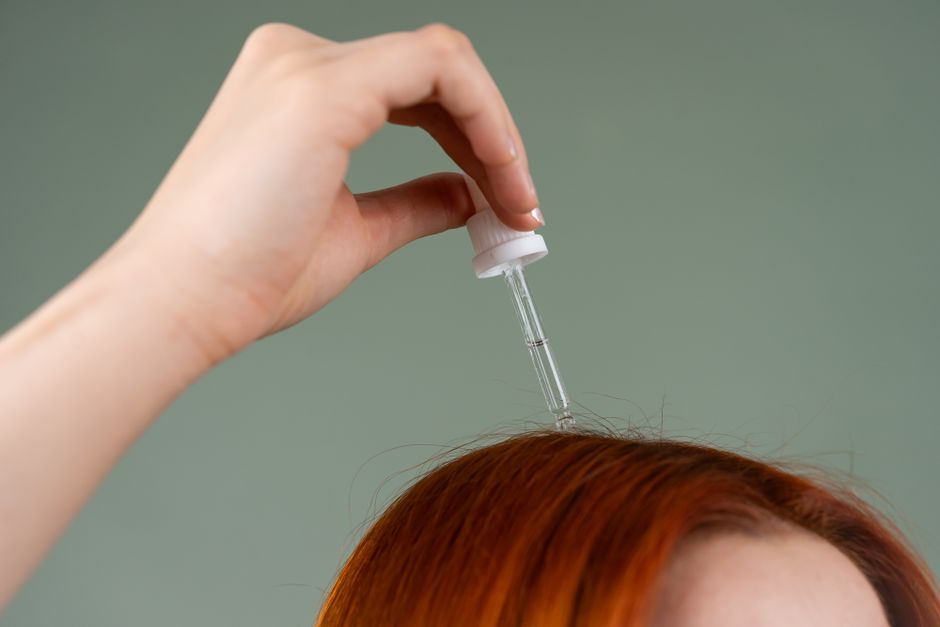
If you are looking for one oil backed by the most evidence for hair growth, it is rosemary oil. A 2015 study published in Skinmed compared rosemary oil to 2% minoxidil (the active ingredient in Rogaine) and found they were equally effective at increasing hair count after six months. The rosemary oil group also reported less scalp itching. While other oils show promise, rosemary oil has the strongest direct clinical evidence for regrowing hair.
What Does the Research on Rosemary Oil for Hair Growth Actually Show?
The 2015 Skinmed study is the one most people reference. It was a small trial with 100 people who had androgenetic alopecia (male and female pattern baldness). Half used rosemary oil. Half used minoxidil. After three months, both groups had significant increases in hair count. After six months, the results were nearly identical.
This does not mean rosemary oil cures baldness. It means it can help some people regrow hair, especially in early stages of thinning. The study was small and has not been repeated on a large scale. But it is better evidence than what exists for most other oils.
Rosemary oil is thought to work by improving blood circulation to the scalp and reducing inflammation. Some research also suggests it blocks a hormone called DHT that shrinks hair follicles. These mechanisms are plausible but not proven in humans.
Does Peppermint Oil Help Hair Growth?
Peppermint oil gets a lot of attention online. Most of the excitement comes from a 2014 mouse study published in Toxicological Research. Mice treated with peppermint oil had thicker and more numerous hair follicles than mice treated with minoxidil or saline.
Here is the honest part. Mouse studies do not always translate to humans. Mouse skin is different from human skin. Mice also grow hair in cycles that do not match ours. There are no large human trials showing peppermint oil regrows hair on its own.
Peppermint oil does create a cooling, tingling sensation that increases blood flow to the scalp. This might help some people feel like their scalp is healthier. But claiming it grows hair as well as minoxidil in humans is not supported by evidence.
What About Castor Oil for Hair Growth?
Castor oil is one of the most popular natural remedies for hair growth. The claim is that ricinoleic acid in castor oil blocks a hormone that causes hair loss. This idea comes from a 2015 laboratory study where ricinoleic acid inhibited a prostaglandin receptor in a petri dish.
That study did not test castor oil on human scalps. It tested a purified compound on cells in a lab. There are no published human trials showing castor oil regrows hair. Some people report thicker eyebrows or lashes after using it, but these are personal stories, not clinical data.
Castor oil is thick and sticky. It can coat the hair shaft, making strands look thicker temporarily. This is a cosmetic effect, not a biological one. If you like how it makes your hair feel, that is fine. But do not expect it to reverse thinning or baldness.




Which Oils Have the Most Evidence and Which Are Mostly Hype?
It helps to separate oils by the strength of their evidence. Some have human studies. Some have only lab or animal data. Some have none at all.
| Oil | Type of Evidence | What It May Do |
|---|---|---|
| Rosemary oil | Human clinical trial | May increase hair count similar to minoxidil |
| Peppermint oil | Animal study only | Increases blood flow; unproven for human regrowth |
| Castor oil | Lab study only | No human evidence for regrowth; coats hair for thickness |
| Coconut oil | Human studies for hair health | Reduces protein loss in hair; does not regrow hair |
| Tea tree oil | Human studies for scalp conditions | Helps dandruff and inflammation; not proven for growth |
Notice a pattern. Only rosemary oil has a direct human trial measuring hair regrowth. The rest have evidence for related benefits — scalp health, thickness, reduced breakage — but not for growing new hair.
How Should You Use Oil for Hair Growth Safely?
Essential oils are concentrated. Putting undiluted rosemary or peppermint oil directly on your scalp can cause burns, rashes, or allergic reactions. Always mix them with a carrier oil.
Good carrier oils include jojoba oil, grapeseed oil, or sweet almond oil. These are light and absorb into the scalp without clogging pores. A common ratio is 3 to 5 drops of essential oil per tablespoon of carrier oil.
To apply, massage the mixture into your scalp for a few minutes. This increases blood flow on its own. Leave it on for at least 30 minutes or overnight if your skin tolerates it. Wash it out with a gentle shampoo. Do this 2 to 3 times per week.
Do a patch test first. Put a small amount of the diluted oil on your inner arm. Wait 24 hours. If no redness or irritation appears, it is likely safe for your scalp. If you have sensitive skin or a history of allergies, be more cautious.
What Are the Side Effects and Risks of Using Oils on Your Scalp?
Side effects are not common but they happen. Contact dermatitis is the most frequent issue. This looks like redness, itching, or small bumps where the oil touched your skin. It can happen with any oil, even natural ones.
Some people develop photosensitivity. Certain citrus oils like lemon or bergamot can make your skin more sensitive to sunlight. If you use these oils on your scalp, protect it from direct sun for at least 12 hours.
Oils can also clog hair follicles if you use too much or do not wash them out properly. This can actually slow hair growth or cause small pimples on the scalp. Stick to the recommended dilution and wash thoroughly.
If you have a medical condition like psoriasis, eczema, or an autoimmune disorder, talk to a doctor before trying any new scalp treatment. What helps one person can flare another.
Common Misconceptions About Oils and Hair Growth
One of the biggest myths is that more oil is better. It is not. Using undiluted essential oils or applying them daily can irritate the scalp and cause inflammation. Inflammation is bad for hair growth.
Another myth is that any oil will regrow hair if you massage it in long enough. Massage does increase blood flow, which may help. But the oil itself needs active compounds. Coconut oil does not contain the same compounds as rosemary oil. You cannot substitute one for the other and expect the same result.
Some people claim that oils can cure pattern baldness. This is not supported by evidence. Androgenetic alopecia is driven by genetics and hormones. Oils may slow the process or stimulate some regrowth in early stages, but they do not reverse the underlying cause.
Oil treatments also do not work for hair loss caused by chemotherapy, autoimmune conditions, or severe nutritional deficiencies. If your hair loss has a medical cause, address the cause first. Oils are supportive, not curative.
Frequently Asked Questions
Frequently Asked Questions
Can I leave rosemary oil in my hair overnight?
Yes, if you dilute it properly with a carrier oil. Undiluted rosemary oil left on the scalp overnight can cause irritation.
Does peppermint oil actually regrow hair?
There is no human study showing peppermint oil regrows hair. It increases blood flow but the growth claim comes from mouse research only.
How long does it take for rosemary oil to work on hair?
The 2015 study showed visible results after three to six months of consistent use. Do not expect changes in less than two months.
Can I mix multiple essential oils together for hair growth?
Yes, but keep the total essential oil concentration at 3 to 5 drops per tablespoon of carrier oil to avoid irritation.
