
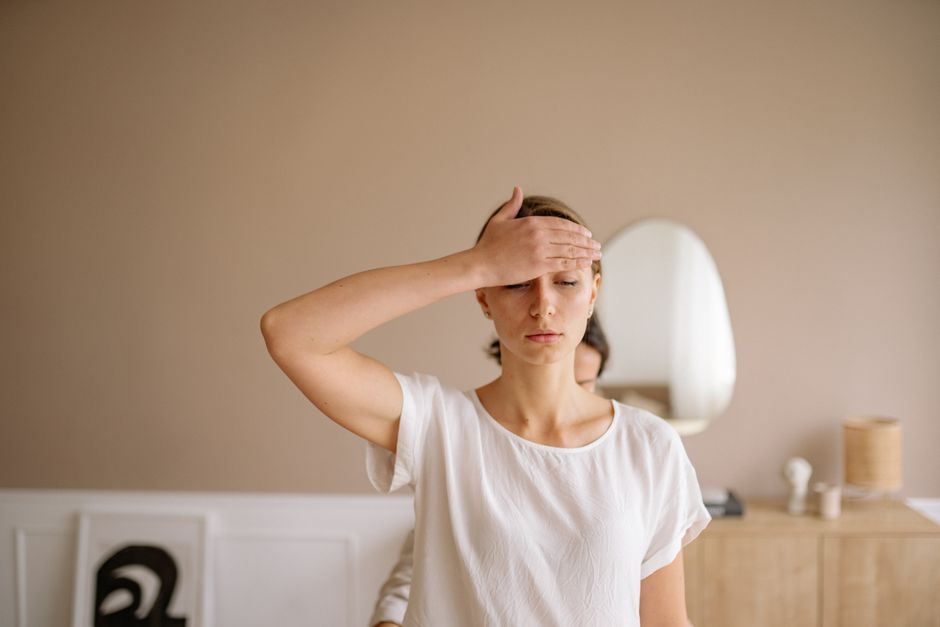
Dizziness is one of the most common reasons adults visit a doctor, and the right natural approach depends entirely on what is causing it. For many people, simple steps help: staying hydrated, getting up slowly from sitting or lying down, eating regular meals to keep blood sugar steady, and avoiding sudden head movements. If dizziness comes with fainting, chest pain, slurred speech, weakness on one side, or a sudden severe headache, that is a medical emergency and needs immediate care, not a home remedy.
What follows is an honest look at what the evidence actually supports, what is unproven, and when dizziness signals something that needs a doctor rather than a lifestyle fix.
What Actually Causes Dizziness?
Dizziness is not one condition. It is a symptom with several distinct causes, and they feel different from each other.
Vertigo is a false sense that you or the room is spinning. It usually points to a problem in the inner ear or the vestibular nerve. The most common cause is benign paroxysmal positional vertigo, or BPPV, where tiny calcium crystals in the inner ear shift into a canal they should not be in. It is triggered by specific head movements, like rolling over in bed or looking up.
Lightheadedness is a feeling that you might faint. It often comes from a temporary drop in blood pressure or reduced blood flow to the brain. Standing up quickly, dehydration, and some medications can all cause it.
Disequilibrium is a sense of unsteadiness or loss of balance, often related to the inner ear, vision, or the nerves in the legs and feet.
Other causes include anemia, low blood sugar, anxiety, certain heart rhythm problems, and neurological conditions. Because these are so different, the same home remedy will not work for all of them. That is the single most important thing to understand about dizziness.
What Helps Dizziness Naturally?
The natural steps that genuinely help are the ones that address a specific, identifiable trigger. Matching the remedy to the cause matters more than any single technique.
Hydration and blood pressure
Mild dehydration lowers blood volume and can drop blood pressure enough to cause lightheadedness, especially when standing. Drinking enough fluid through the day helps if dehydration is the cause. This is well established physiology, not a fringe claim.
Eating regularly
Skipping meals can drop blood sugar and bring on lightheadedness in some people. Eating regular meals with a balance of protein, fat, and fiber helps keep blood sugar steadier than meals built mostly on refined carbohydrates.
Moving slowly
If standing up triggers your dizziness, rising in stages helps. Sit up first, pause, then stand. This gives your blood pressure a moment to adjust. It is a simple mechanical fix for a common mechanical problem.
Epley and other repositioning maneuvers
For BPPV specifically, a set of guided head movements called canalith repositioning maneuvers can move the displaced crystals back where they belong. The Epley maneuver is the best known. These are typically performed by a clinician, though some people learn a home version with professional guidance. Research consistently shows these maneuvers are effective for BPPV. They do nothing for other types of dizziness.
Vestibular rehabilitation
For ongoing balance problems from inner ear disorders, a structured exercise program called vestibular rehabilitation can help the brain adapt. This is usually guided by a physical therapist trained in vestibular therapy. Evidence supports it for several chronic vestibular conditions.
Does Diet or Hydration Really Make a Difference?
Hydration and steady blood sugar matter most when dehydration or skipped meals are the trigger. If your dizziness comes from an inner ear problem, changing your diet will not fix it.
Some people with certain inner ear conditions, particularly Ménière’s disease, are advised to limit salt. The reasoning is that reducing sodium may help with fluid balance in the inner ear. The evidence here is limited and mixed. Some clinicians recommend it, but large trials have not firmly confirmed that salt restriction reduces attacks. If you have been given this advice by your doctor, follow it. If you are considering it on your own, know that the evidence is not strong.
Caffeine and alcohol affect people differently. Some find they trigger dizziness, others do not. If you notice a pattern, that observation is worth more than general advice.
What does not have good evidence for dizziness: most herbal supplements marketed for balance or circulation. No large human trials have confirmed that these resolve dizziness. Treat marketing claims with caution.





When Is Dizziness a Medical Emergency?
Some dizziness is a warning sign of a stroke or a heart problem, and the difference matters enormously. Seek emergency care immediately if dizziness comes with any of the following:
- Sudden weakness or numbness on one side of the body or face
- Slurred speech or trouble understanding speech
- Double vision or sudden vision loss
- Chest pain, shortness of breath, or a racing or irregular heartbeat
- Fainting or loss of consciousness
- A sudden, severe headache unlike any you have had
- Trouble walking that came on suddenly
These signs can indicate a stroke, a transient ischemic attack, or a cardiac arrhythmia. Time matters. Do not wait to see if it passes.
One clarification that surprises many people: dizziness alone, without any of those signs, is rarely an emergency. But dizziness that is new, severe, or persistent deserves a medical evaluation to find the cause. The distinction between “wait and see” and “go now” rests on those accompanying symptoms, not on the dizziness by itself.
Can Lifestyle Changes Prevent Dizziness?
Prevention works best when it targets a known trigger. If you know dehydration sets off your lightheadedness, staying hydrated is prevention. If BPPV is your issue, avoiding the specific head positions that trigger it can reduce episodes, though the underlying crystals may still need repositioning.
General habits that support steadiness include:
- Standing up slowly rather than jumping up
- Getting enough sleep, since fatigue can worsen balance and lightheadedness
- Staying physically active to maintain strength and balance, especially in the legs and core
- Reviewing medications with a doctor, since several common drugs can cause dizziness as a side effect
- Keeping blood pressure managed if you have known hypertension or low blood pressure
Medication review is worth highlighting. Many prescriptions, including some blood pressure drugs, antidepressants, and sedatives, list dizziness as a side effect. If dizziness started or worsened after a medication change, that timing is important information for your doctor. Do not stop a prescribed medication on your own.
What About Home Remedies That Do Not Work?
A few popular ideas deserve an honest assessment.
Ginkgo and similar supplements are often marketed for dizziness and circulation. The evidence for ginkgo in dizziness is weak and inconsistent. Some small studies suggest possible benefit in specific conditions, but larger, better-controlled trials have not confirmed a reliable effect. It is not a proven treatment.
Essential oils and aromatherapy have no clinical evidence supporting them as a treatment for dizziness. They may help some people feel calmer, which can matter if anxiety is part of the picture, but they do not address the underlying cause.
Standing on one leg or balance drills can help general stability over time, but they are not a treatment for an acute cause like BPPV or a blood pressure drop.
The pattern here: remedies that address a real trigger help. Remedies that claim to fix dizziness in general, without naming a cause, usually do not. If a product promises to resolve dizziness for everyone, that is a sign to be skeptical.
When Should You See a Doctor About Dizziness?
See a doctor if dizziness is new, keeps coming back, lasts more than a few moments, or interferes with daily life. Also see a doctor if you cannot identify a clear trigger, if it started after a new medication, or if you have fallen or feel unsteady walking.
A doctor can help sort out the cause through a physical exam, questions about timing and triggers, and sometimes tests of the inner ear, heart, or blood. The treatment depends on what is found. BPPV is treated with repositioning. Blood pressure issues are managed by adjusting fluids, medications, or both. Inner ear disorders may need vestibular rehabilitation. Anxiety-related dizziness is treated by addressing the anxiety.
The most useful thing you can do before an appointment is note when the dizziness happens, what seems to trigger it, how long it lasts, and what else you feel at the same time. That pattern often points to the cause faster than any test.
Frequently Asked Questions
What is the fastest natural way to stop dizziness?
If the cause is dehydration or low blood sugar, drinking fluid or eating can help within minutes. If it is BPPV, only a repositioning maneuver reliably stops it, and that usually needs a clinician.
Can drinking water help dizziness?
Yes, if dehydration is the cause. Water raises blood volume and can ease lightheadedness from low blood pressure, but it will not help dizziness caused by an inner ear problem.
Does salt restriction help dizziness?
It may be recommended for certain inner ear conditions like Ménière’s disease, but the evidence is limited and mixed. Follow your doctor’s advice rather than restricting salt on your own.
When is dizziness serious?
Dizziness is serious when it comes with weakness on one side, slurred speech, double vision, chest pain, fainting, or a sudden severe headache. Those signs can indicate a stroke or heart problem and need emergency care.
