

That heavy, tight, swollen feeling in your belly has a reason, and it is usually not a sign that something is seriously wrong. Bloating happens when gas, fluid, or slowed movement builds up in your digestive tract, stretching the intestinal wall. Most cases trace back to how you eat, what you eat, hormonal shifts, or how your gut moves food along. The fix depends entirely on the cause, which is why one person’s remedy often does nothing for someone else.
Why Am I Super Bloated Causes And What Helps
Your gut handles a lot of gas every day. Swallowed air and fermentation by gut bacteria produce it, and most of it gets absorbed or passed without you noticing. Bloating becomes noticeable when that balance tips.
Gas has two main sources. The first is air you swallow while eating, drinking, chewing gum, or smoking. The second is fermentation — when undigested carbohydrates reach your colon and bacteria break them down, producing hydrogen, methane, and other gases. Some of these gases cause more distension than others. Methane in particular is linked to slower transit and more bloating.
The sensation of bloating does not always match how much gas is actually there. Research using imaging has found that some people with bloating have normal amounts of gas but heightened gut sensitivity. Their nervous system registers normal stretch as uncomfortable. This is a real physiological difference, not imagination.
What helps depends on which mechanism is driving your symptoms. If it is swallowed air, changing how you eat helps. If it is fermentation, adjusting fiber or identifying trigger foods helps. If it is slow transit or a sensitivity issue, the approach is different again.
What Foods and Habits Cause Bloating Most Often?
Certain foods reliably produce gas because they contain carbohydrates that human enzymes cannot fully digest. These include beans, lentils, broccoli, cabbage, onions, and wheat. They are not bad foods — they feed beneficial gut bacteria. But that fermentation produces gas.
Sugar alcohols deserve a specific mention. Sorbitol, mannitol, xylitol, and erythritol are common in sugar-free gum, candy, and protein bars. They are poorly absorbed and ferment in the colon. For some people they cause significant bloating even in small amounts.
Carbonated drinks add gas directly. So does eating quickly, which increases swallowed air. Drinking through a straw, talking while eating, and chewing gum all increase air intake.
Constipation is one of the most common and most overlooked causes. When stool sits in the colon, gas builds up behind it and distension worsens. Treating the constipation often resolves the bloating.
Other habits that contribute:
- Eating large meals quickly, which overloads digestion and increases swallowed air
- Drinking large amounts of liquid with meals, which can dilute digestive enzymes and speed transit
- Lying down soon after eating, which slows stomach emptying
- Chewing gum or sucking hard candy, both of which increase air swallowing
When Is Bloating a Sign of Something More Serious?
Most bloating is benign and temporary. But certain patterns warrant medical evaluation.
See a doctor if bloating comes with unexplained weight loss, blood in your stool, persistent vomiting, fever, or pain that wakes you from sleep. Bloating that is new and progressive over weeks, or that comes with changes in bowel habits in someone over 50, should be checked. These symptoms can indicate conditions that need diagnosis, including inflammatory bowel disease, celiac disease, or in rare cases ovarian cancer.
Ovarian cancer is worth naming specifically because bloating is one of its recognized symptoms. It is not a common cause of bloating — most bloating is not cancer — but persistent bloating that is new, occurs almost daily, and lasts for more than a few weeks should be evaluated, particularly if it comes with pelvic pressure, difficulty eating, or urinary urgency.
Irritable bowel syndrome (IBS) is a much more common explanation for chronic bloating. IBS is a disorder of gut-brain interaction, meaning the gut itself looks normal on standard tests but functions differently. Bloating is one of its core symptoms. So is small intestinal bacterial overgrowth (SIBO), though its diagnosis and treatment remain debated among specialists.
Celiac disease and non-celiac gluten sensitivity can both cause bloating. Celiac disease is an autoimmune condition with clear diagnostic criteria and requires medical testing. Non-celiac gluten sensitivity is less well defined and remains an area of active research.



How Do Hormones Affect Bloating?
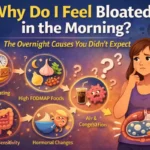
Many women notice more bloating in the days before their period. This is well documented and tied to shifts in estrogen and progesterone, which affect fluid balance and gut motility. The bloating typically resolves once the period starts.
Progesterone slows the movement of the digestive tract. This is why bloating is common during pregnancy and in the second half of the menstrual cycle when progesterone rises. It also explains why some women experience more constipation at these times.
Perimenopause brings fluctuating hormone levels that can worsen bloating for some women. Menopause itself does not reliably cause bloating, but the hormonal transition can change digestion and fluid retention.
Hormonal bloating usually responds less to dietary changes than other types. Tracking symptoms across your cycle helps identify the pattern. If bloating consistently appears at the same point each month, hormones are likely the driver.
What Actually Helps With Bloating?
Treatment depends on the cause, and no single remedy works for everyone. That said, some approaches have reasonable evidence behind them.
For occasional bloating from gas, over-the-counter simethicone can help by breaking up gas bubbles in the gut. It is widely used and generally well tolerated, though evidence for its effectiveness is modest. Activated charcoal is marketed for bloating but evidence is limited and it can interfere with medication absorption.
For bloating related to constipation, addressing the constipation is the priority. Fiber, fluids, and physical activity all support regular bowel movements. Some people find that increasing fiber makes bloating worse initially, especially if they add it quickly. Gradual increases and adequate water intake usually help.
Peppermint oil capsules have some evidence for reducing IBS-related bloating and abdominal pain. Enteric-coated formulations are designed to release in the intestine rather than the stomach, which may reduce heartburn. Anyone with reflux should discuss this with a clinician first.
Probiotics are frequently recommended, but the evidence is mixed. Different strains have different effects, and studies do not consistently show benefit for bloating. Some people improve; others do not. There is no single probiotic that is established as effective for bloating in the general population.
A low-FODMAP diet has the strongest evidence for reducing IBS symptoms including bloating. FODMAPs are fermentable carbohydrates that draw water into the intestine and feed gut bacteria. The diet is restrictive and should be done with a registered dietitian, typically in phases: elimination, reintroduction, and maintenance. It is not meant to be followed long term in its strictest form.
Practical steps that often help:
- Eat slowly and chew thoroughly to reduce swallowed air
- Limit carbonated drinks and sugar alcohols if they trigger symptoms
- Stay physically active — movement helps gas pass through the gut
- Address constipation early rather than letting it build
- Keep a symptom and food diary to identify patterns
Does Exercise or Position Help Move Gas?
Movement helps. Walking after a meal supports normal gut motility and can help gas move through. Lying down flat tends to make bloating feel worse because it changes how gas sits in the intestine.
Gentle yoga postures that involve twisting or forward folding are sometimes recommended to relieve gas. There is no strong clinical trial evidence that specific poses reliably reduce bloating, but they are low risk and many people find them helpful. The benefit may come partly from relaxation, which can reduce the gut’s sensitivity to normal stretch.
Massaging the abdomen in a clockwise direction follows the path of the colon and is sometimes suggested for gas relief. Again, evidence is limited, but it is harmless for most people.
What does not help: holding your breath, straining, or ignoring persistent symptoms. If bloating is frequent and disruptive, it deserves a proper evaluation rather than trial and error.
When Should You See a Doctor About Bloating?
See a doctor if bloating is persistent, worsening, or comes with other symptoms. Specifically:
- Bloating lasting more than two to three weeks without explanation
- Weight loss you did not intend
- Blood in stool or black, tarry stools
- Vomiting, especially persistent or bloody
- Fever or severe abdominal pain
- New bloating after age 50, particularly with bowel habit changes
These signs do not mean something serious is present, but they shift the evaluation from “manage at home” to “rule out other causes.” A clinician may order blood tests, stool tests, imaging, or refer you for a colonoscopy or upper endoscopy depending on your symptoms and history.
Bloating that comes and goes with diet or cycle is usually not concerning. Bloating that is constant, progressive, or accompanied by the symptoms above needs attention.
Frequently Asked Questions
Why am I so bloated all of a sudden?
Sudden bloating often follows a specific trigger — a large meal, carbonated drinks, high-fiber foods, or constipation. If it appears without an obvious cause and persists, it should be evaluated.
What is the fastest way to get rid of bloating?
Walking and passing gas or having a bowel movement are the fastest relief for most gas-related bloating. Simethicone may help break up gas bubbles, but it does not work for everyone.
Can stress cause bloating?
Yes. Stress affects gut motility and can increase sensitivity to normal gas, making bloating feel worse. The gut and brain are directly connected through the vagus nerve and hormonal signaling.
When should bloating worry me?
Bloating that lasts more than a few weeks, is progressive, or comes with weight loss, blood in stool, vomiting, or pain that wakes you from sleep should be checked by a doctor.
