
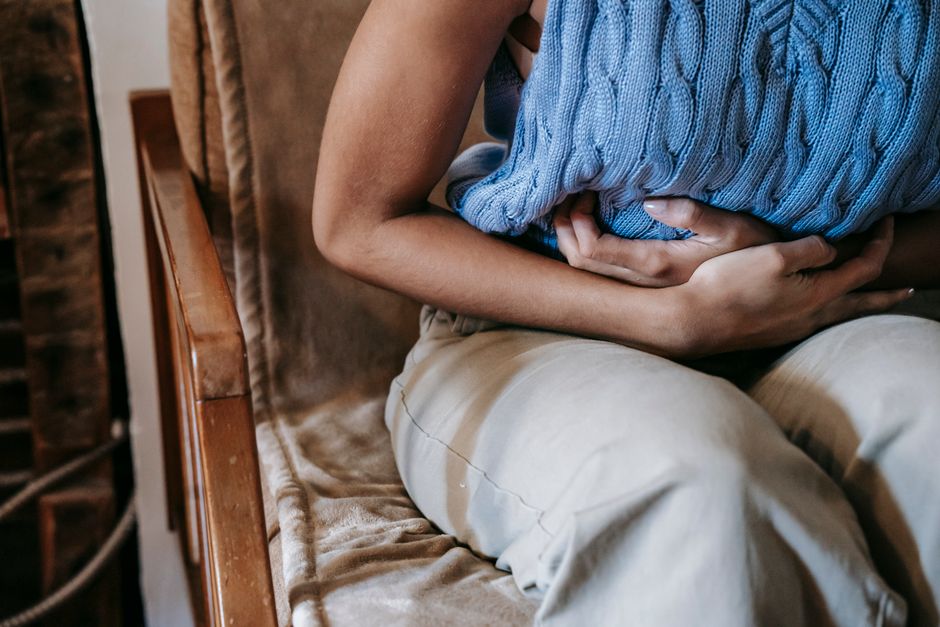
Most stomach bugs just need time and careful hydration. Your main job is to keep fluids going in while your body clears the virus or bacteria causing the trouble. Rest, small sips of clear liquids, and bland foods when you feel ready are the core of what helps a stomach bug. There is no medication that kills the virus directly. Your immune system handles that on its own schedule.
What Actually Causes a Stomach Bug?
Stomach bugs are usually viral infections. Norovirus is the most common cause in the United States. The CDC reports that norovirus causes about 19 to 21 million cases of vomiting and diarrhea each year. Rotavirus is another common cause, especially in children. Bacterial infections from salmonella or E. coli are less common but can cause more severe symptoms.
These infections inflame the lining of your stomach and intestines. That inflammation triggers vomiting, diarrhea, and stomach cramps. Your body is trying to flush out the invader. It is not pleasant, but it is a sign your immune system is working.
Food poisoning is a different category. It comes from toxins in contaminated food, not from an infection spreading in your body. Symptoms can appear within hours of eating bad food. Stomach bugs usually take one to two days to show up after exposure.
What Helps A Stomach Bug More Than Anything Else?
Hydration is the single most important thing. Your body loses water and electrolytes through vomiting and diarrhea. Replacing them is what prevents serious complications. The CDC recommends oral rehydration solutions for children with stomach bugs. These solutions have the right balance of sugar and salts for your intestines to absorb water properly.
For adults, clear liquids are usually enough. Water is fine. Clear broths, diluted fruit juice, and sports drinks can also work. The key is small, frequent sips. Drinking too much at once can trigger more vomiting. Try a tablespoon every five to ten minutes. If that stays down, slowly increase the amount.
Oral rehydration salts are available at most drugstores. They come as powders you mix with water. Research published in the Cochrane Database of Systematic Reviews found that oral rehydration solutions reduce the need for IV fluids in children with gastroenteritis. They are not just for kids. Adults with severe vomiting or diarrhea can benefit from them too.
What Foods Help When You Start Feeling Better?
The BRAT diet is the most well-known approach. BRAT stands for bananas, rice, applesauce, and toast. These foods are bland, low in fiber, and easy to digest. They give your digestive system a break while still providing some calories and nutrients.
But you do not have to stick strictly to BRAT foods. Other bland options include plain crackers, boiled potatoes, clear soups, and cooked carrots. The goal is to avoid foods that irritate your stomach. That means no spicy, greasy, or high-fiber foods until you are fully recovered.
A 2016 study in the Journal of Pediatric Gastroenterology and Nutrition found that a more varied bland diet works just as well as the BRAT diet for children with gastroenteritis. Adults can follow the same principle. Listen to your body. If a food causes cramping or nausea, stop eating it and try something simpler.
| Food Category | Safe Options | Avoid Until Recovery |
|---|---|---|
| Grains | White rice, plain toast, saltine crackers | Whole wheat bread, bran cereal, granola |
| Fruits | Bananas, applesauce, canned peaches | Oranges, berries, dried fruit, raw apples |
| Proteins | Boiled chicken, plain scrambled eggs | Fried meat, fatty fish, beans, nuts |
| Dairy | None during active symptoms | Milk, cheese, yogurt, ice cream |
| Vegetables | Cooked carrots, boiled potatoes | Raw vegetables, broccoli, cabbage, onions |





What Medications Can You Take for a Stomach Bug?
Over-the-counter medications for diarrhea like loperamide (Imodium) are generally not recommended for stomach bugs. The American College of Gastroenterology advises against them for acute infectious diarrhea. Your body needs to expel the virus or bacteria. Blocking diarrhea can keep the infection in your system longer.
Antibiotics do not help viral stomach bugs. They only work against bacterial infections. And even then, most bacterial stomach bugs clear up on their own without antibiotics. Taking antibiotics when you do not need them contributes to antibiotic resistance. That is a real public health problem.
Anti-nausea medications like ondansetron (Zofran) can help with vomiting. Some studies suggest it reduces the need for IV fluids in children with gastroenteritis. But it is a prescription medication. You need to see a doctor to get it. It is not something you should take without medical guidance.
Pepto-Bismol (bismuth subsalicylate) can help with some symptoms. It has mild anti-inflammatory and antibacterial effects. But it contains salicylate, which is related to aspirin. Do not give it to children or teenagers recovering from viral infections. It can increase the risk of Reye’s syndrome, a rare but serious condition.
What Should You Absolutely Not Do?
Do not take antibiotics for a stomach bug unless a doctor confirms a bacterial infection. Taking them for a viral infection does nothing useful and can cause side effects like diarrhea and yeast infections. It also contributes to the growing problem of antibiotic resistance.
Do not force yourself to eat. Your body needs energy to fight the infection, but it also needs to rest your digestive system. If you have no appetite, that is normal. Focus on hydration first. Food can wait until your stomach settles.
Do not drink sugary sodas or undiluted fruit juice. High sugar content can pull water into your intestines and make diarrhea worse. Sports drinks are better than soda, but they still have a lot of sugar. Dilute them with water or choose a low-sugar version.
Do not share food, drinks, or utensils with others. Stomach bugs are highly contagious. Norovirus can survive on surfaces for weeks. Wash your hands frequently with soap and water. Hand sanitizer is less effective against norovirus. Soap and water are the best defense.
When Should You See a Doctor?
Most stomach bugs resolve within one to three days. But some situations require medical attention. The CDC lists these warning signs for adults: signs of dehydration like dry mouth, dark urine, or dizziness when standing; bloody vomit or stool; severe abdominal pain; fever above 102 degrees Fahrenheit; symptoms that last more than three days.
For children, the signs are similar but more urgent. Call a doctor if your child has not urinated in six hours, has a dry mouth with no tears when crying, is unusually sleepy or irritable, has bloody diarrhea, or has a fever above 102 degrees Fahrenheit. Infants under three months with a fever need immediate medical attention.
Dehydration is the main reason people end up in the hospital with a stomach bug. Severe dehydration can lead to kidney problems, electrolyte imbalances, and other complications. IV fluids can correct dehydration quickly. If you cannot keep any fluids down for more than 24 hours, it is time to see a doctor.
Common Misconceptions About Stomach Bugs
A common myth is that you need to starve a stomach bug. That is not true. Your body needs energy to fight the infection. But you do not need to force food. Eat when you feel ready. Start with small amounts of bland foods.
Another myth is that vomiting means you should take anti-nausea medication immediately. Vomiting is your body’s way of getting rid of the virus. It is uncomfortable but usually protective. Anti-nausea medication can be helpful in some cases, but it is not necessary for everyone.
Some people think that probiotics will cure a stomach bug. Probiotics may help restore healthy gut bacteria after the infection clears. But evidence that they shorten the illness itself is weak. A 2020 review in the Cochrane Database of Systematic Reviews found that probiotics probably make little or no difference in the duration of acute gastroenteritis.
There is also a belief that stomach bugs are always caused by something you ate. While food can be a source, the most common route is person-to-person contact. Norovirus spreads through touching contaminated surfaces and then touching your mouth. It spreads fast in close quarters like households, schools, and cruise ships.
Frequently Asked Questions
How long does a stomach bug usually last?
Most stomach bugs last one to three days. Some cases can last up to ten days, especially in young children or people with weakened immune systems.
Can you take Imodium for a stomach bug?
Doctors generally advise against Imodium for stomach bugs. Your body needs to clear the infection, and blocking diarrhea can keep the virus in your system longer.
What is the best thing to drink with a stomach bug?
Water, clear broths, and oral rehydration solutions are the best options. Avoid sugary drinks and undiluted fruit juice, which can make diarrhea worse.
Is it safe to go to work with a stomach bug?
No. Stomach bugs are highly contagious. Stay home until you have had no vomiting or diarrhea for at least 24 to 48 hours without medication.
