
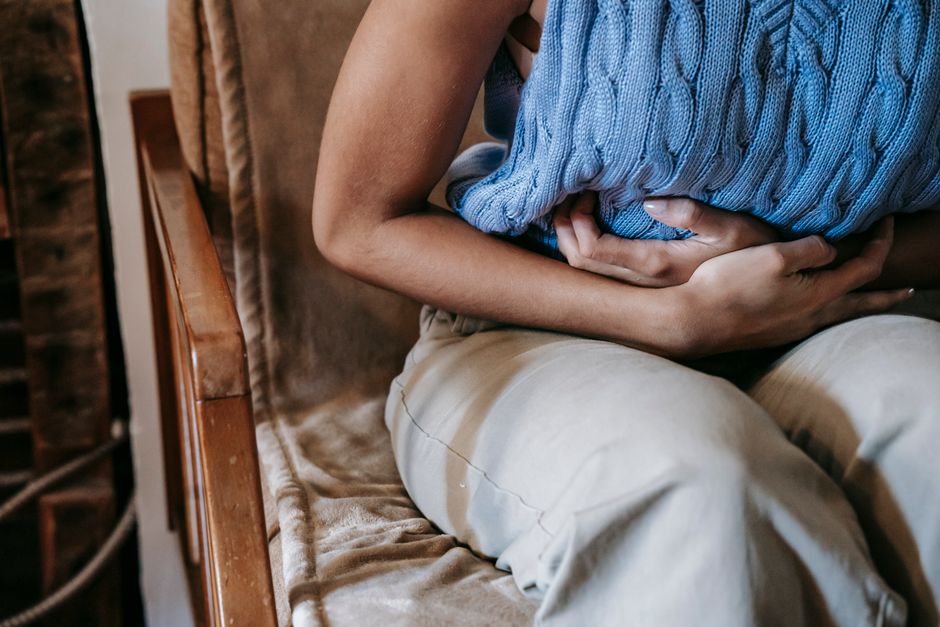
Stomach cramps can stop you mid-task and make everything else fade into the background. For fast natural relief, heat therapy and gentle movement are the most reliable first-line options. A heating pad on the abdomen relaxes the smooth muscle that causes cramping, and slow, controlled breathing helps calm the nervous system response that can make pain feel worse. These two approaches work within minutes for many people and carry essentially no risk for otherwise healthy adults.
What Causes Stomach Cramps in the First Place?
Most stomach cramps come from the intestines, not the stomach itself. The medical term for this is intestinal colic. The muscle layer of the intestinal wall contracts in waves to move food and gas along. When those contractions become stronger or more frequent than normal, you feel it as a cramp.
Common triggers include trapped gas, constipation, mild food intolerance, or eating too quickly. Stress also plays a real role. The gut has its own nervous system that talks directly to the brain, and anxiety can change how the gut contracts. For most people, cramps are temporary and harmless. But understanding the cause matters because some causes need different treatment.
Heat Therapy: The Fastest Natural Option
Heat works because it increases blood flow to the area and directly relaxes smooth muscle tissue. A heating pad, hot water bottle, or warm compress placed on the lower abdomen can reduce cramping within 10 to 15 minutes.
Use the lowest setting that feels comfortable. Do not fall asleep with a heating pad on. Never use heat if the area feels numb or if you have reduced sensation. For a gentler version, a warm bath or shower can achieve the same effect over a larger area.
Some research suggests heat therapy activates heat-sensitive nerve pathways that block pain signals before they reach the brain. This is the same reason heat helps with menstrual cramps and muscle spasms. It is not a cure for whatever caused the cramp, but it is a reliable way to reduce the pain while your body works through the issue.
Gentle Movement and Positioning
Movement helps move gas through the intestines and can break up the spasm cycle. Walking slowly for 5 to 10 minutes is often enough. You do not need to push through pain. If walking makes the cramp worse, stop and try a different position instead.
The child’s pose from yoga is particularly effective for abdominal cramping. Kneel, sit back on your heels, and fold forward with your arms extended. This position takes tension off the abdominal wall and creates gentle pressure that can help move trapped gas.
Lying on your left side with your knees pulled toward your chest is another option. This position aligns the natural curve of the colon and can help gas pass more easily. Some people find gentle clockwise massage on the abdomen helpful. Follow the path of the colon: start at the lower right side, move up, across, and down the left side.





What to Drink and What to Avoid
Small sips of warm water can help. Warm liquids promote blood flow to the digestive tract without shocking the system. Peppermint tea is a reasonable choice because peppermint oil has documented antispasmodic properties. Some studies show peppermint oil capsules reduce symptoms in irritable bowel syndrome, and the tea form is a milder version of the same effect.
Chamomile tea is another option. Chamomile contains compounds that relax smooth muscle, and it has a long history of traditional use for digestive discomfort. The evidence is less robust than for peppermint, but the risk is very low for most people.
Avoid carbonated drinks, which introduce more gas. Avoid caffeine if you are prone to cramps, because it can increase intestinal contractions. Avoid dairy products if lactose intolerance is a possibility for you. If you do not know whether dairy is a trigger, skip it until the cramp resolves.
Over-the-Counter Options That Work Naturally
Simethicone is the active ingredient in gas relief products like Gas-X. It works by breaking up gas bubbles in the intestine so they can pass more easily. It is not absorbed by the body and works directly in the digestive tract. This is the most reliable over-the-counter option for cramps caused by trapped gas.
Peppermint oil capsules are another option. Enteric-coated capsules release the oil in the intestines rather than the stomach, which is where the antispasmodic effect matters most. Some clinical trials show meaningful symptom reduction in people with irritable bowel syndrome. Start with the lowest dose on the label and do not take more than recommended.
Magnesium supplements help some people with cramping, but the evidence is stronger for muscle cramps in the legs than for intestinal cramps. If you take magnesium, be aware that high doses cause loose stools. Do not take magnesium without checking with a pharmacist if you have kidney problems or take certain medications.
When Stomach Cramps Need Medical Attention
Most stomach cramps resolve on their own within a few hours. But some situations need prompt medical care. Seek emergency care if the cramp is severe enough that you cannot stand upright, if the abdomen is rigid or tender to the touch, or if the pain started suddenly and intensely.
See a doctor promptly if you have blood in your stool, vomiting that will not stop, fever above 101°F, or cramps lasting more than a few days. If you are pregnant and have abdominal pain, contact your obstetrician. If you are over 65 and have new-onset abdominal pain, medical evaluation is wise even if the pain seems mild.
These are not exhaustive lists. Trust your judgment. If something feels wrong, get evaluated.
Preventing Stomach Cramps Before They Start
Eating slowly and chewing thoroughly reduces the amount of air you swallow. Smaller meals put less strain on the digestive system than large ones. Regular physical activity keeps the intestines moving efficiently.
If you notice cramps after specific foods, keep a simple food diary. You do not need an app. Just note what you ate and when cramps occurred. Patterns usually emerge within a few weeks.
Stress management matters more than most people realize. The gut-brain connection is real and well documented. Deep breathing exercises, regular sleep, and even a short daily walk can reduce the frequency of stress-related digestive symptoms.
What Does Not Work and Why
Apple cider vinegar is a popular internet remedy for stomach cramps, but no clinical evidence supports its use. It is acidic and can irritate the stomach lining, especially when taken undiluted. Avoid it.
Activated charcoal is sometimes promoted for gas and bloating. The evidence is mixed and it can interfere with medication absorption. Do not take activated charcoal within two hours of any medication.
Baking soda in water is another home remedy that circulates online. It can neutralize stomach acid temporarily, but it can also cause rebound acid production and, in larger amounts, a dangerous electrolyte imbalance. This is not a safe or effective approach for cramps.
Frequently Asked Questions
How long do stomach cramps typically last?
Most cramps from gas or mild digestive upset resolve within 30 minutes to a few hours. Cramps lasting more than a few days or worsening over time need medical evaluation.
Is a heating pad safe for stomach cramps?
Yes, for otherwise healthy adults. Use the lowest comfortable setting, limit use to 15 to 20 minutes at a time, and never sleep with a heating pad on.
Can stress cause stomach cramps?
Yes. The gut has its own nervous system that responds to stress, and anxiety can trigger stronger or irregular intestinal contractions that feel like cramps.
When should I go to the emergency room for stomach cramps?
Go immediately if the pain is severe enough to prevent standing upright, if your abdomen feels rigid, or if cramps come with vomiting, blood in stool, or a fever above 101°F.
