
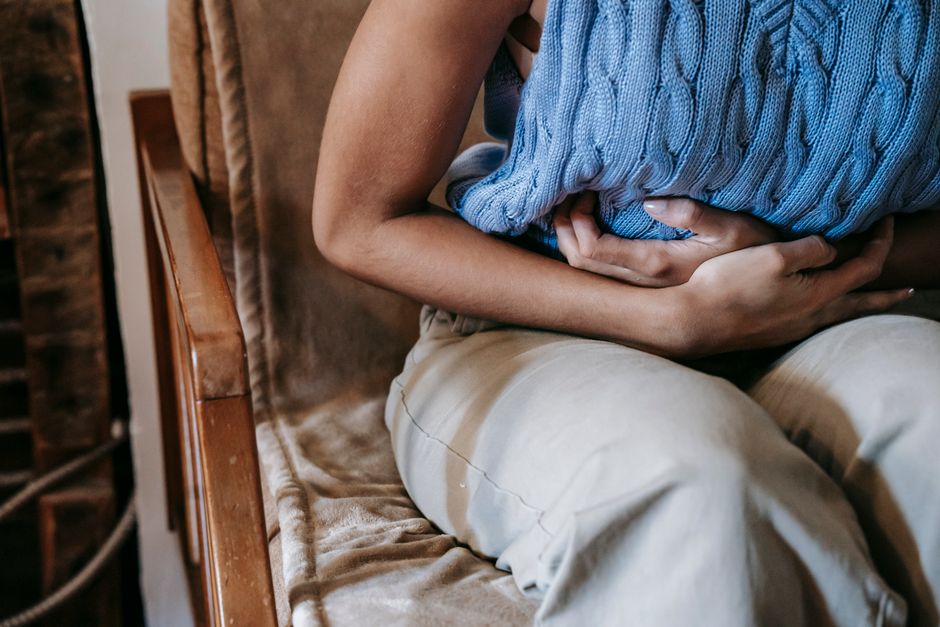
Stomach cramps can stop you in your tracks. The pain is real, and you want relief now, not in an hour. For most everyday cramps, the fastest help comes from heat, hydration, and gentle movement. A heating pad on your belly and small sips of clear fluids often bring the quickest relief. Over-the-counter options like simethicone for gas or antacids for acid can work within minutes when the cause matches the medicine. But the right remedy depends on what is causing the cramp, so knowing the difference matters.
What Helps Stomach Cramps Remedies That Work Fast?
Heat is the fastest first-line remedy for most stomach cramps. A heating pad or hot water bottle placed on the abdomen relaxes the muscle wall of the digestive tract, which directly eases the spasm causing the pain. Studies have shown heat therapy activates the same pain-relief pathways in the body as some medications, just without the side effects. Apply it for 15 to 20 minutes at a time.
Hydration is the second fastest fix. Many cramps come from mild dehydration, which makes the intestinal muscles irritable. Sip water slowly rather than gulping. If you have vomiting or diarrhea, an oral rehydration solution replaces the electrolytes lost, and that alone can stop the cramping cycle.
How Do You Know If Gas Is Causing the Cramp?
Gas cramps feel sharp and localized, often on one side of the belly. The pain may move as the gas moves. It often comes with bloating or the urge to pass gas, and relief follows. If this matches your symptoms, simethicone is the fastest option. It works by breaking up gas bubbles in the gut so they can be passed more easily. It does not stop gas from forming, but it relieves the pressure that causes the pain.
Peppermint oil is another fast option for gas-related cramps. The menthol in peppermint relaxes the smooth muscle of the intestines. Enteric-coated capsules deliver the oil past the stomach to the intestines where the cramping happens. Some research supports its use for irritable bowel syndrome symptoms, but it can worsen heartburn in some people. If you have GERD, skip the peppermint.
What If the Cramp Comes With Diarrhea?
Cramping with diarrhea usually means the intestines are contracting too hard and too fast. The cramp is the muscle spasm; the diarrhea is the result. Loperamide slows gut movement and reduces the muscle contractions causing the pain. It is the active ingredient in Imodium and works within an hour. Do not use it if you have a fever or bloody stools, as those signs point to a bacterial infection that should not be slowed down.
Bismuth subsalicylate, the active ingredient in Pepto-Bismol, is another option. It reduces inflammation in the intestinal lining and also slows fluid loss. It works more slowly than loperamide but treats the inflammation component. It can turn your tongue and stool dark, which is harmless and temporary.





When Is the Cramp From Acid or Indigestion?
If the cramp sits high in the belly and comes with burning, the problem is likely stomach acid. Antacids like calcium carbonate or magnesium hydroxide neutralize acid on contact and work within minutes. They are the fastest option for acid-related discomfort. For longer relief, H2 blockers like famotidine take about 30 to 60 minutes to work but last up to 12 hours. Proton pump inhibitors take days to reach full effect and are not the fast option.
A cramp that follows a heavy meal, especially a fatty one, is often indigestion. The gallbladder releases bile to break down fat, and a fatty meal can trigger a cramping sensation on the upper right side of the belly. Antacids will not help this. Lying on your left side and walking gently can help move things along. The discomfort usually fades within a few hours as digestion proceeds.
What About Menstrual Cramps That Feel Like Stomach Cramps?
Menstrual cramps come from the uterus contracting, but the pain radiates into the lower belly and feels identical to intestinal cramping. The fastest relief is a nonsteroidal anti-inflammatory drug like ibuprofen or naproxen. These work by blocking prostaglandins, the chemicals that drive uterine contractions. Taking them at the first sign of cramps works better than waiting for the pain to peak. Heat also works well here, as it relaxes the uterine muscle directly.
If your cramps consistently feel like they are in the lower belly and come monthly, tracking the timing helps distinguish them from digestive cramps. Menstrual cramps start one to two days before or at the start of your period. Digestive cramps do not follow that pattern.
What Are the Fastest Natural Remedies?
Several natural options have real evidence behind them, not just tradition. Ginger reduces nausea and helps empty the stomach faster, which helps when cramps come with queasiness. A cup of ginger tea or a piece of candied ginger works within 20 to 30 minutes. Chamomile tea contains compounds that relax smooth muscle. It is mild but effective for mild cramps. Fennel seeds have been shown in some studies to reduce intestinal spasms. Chewing a half-teaspoon of seeds or drinking fennel tea can help within 30 minutes.
Gentle movement helps more than people expect. Walking stimulates normal intestinal contractions and can break a spasm cycle. The key is gentle. Bouncing, running, or any vigorous activity can make cramps worse. Slow walking for five to ten minutes is enough.
When Should You See a Doctor?
Most stomach cramps resolve on their own or with the remedies above. But some cramps signal a serious problem that needs medical attention. Go to urgent care or the emergency room if the pain is severe enough to double you over, if it lasts more than a few hours without relief, or if it comes with any of these signs:
- Fever over 100.4°F
- Blood in vomit or stool
- Vomiting that will not stop
- Inability to pass gas or stool
- Pain that moves to the lower right side of the belly
- Swelling or tenderness when you press on the belly
Pain on the lower right side deserves special attention. That is where the appendix sits, and appendicitis pain often starts near the belly button then moves to the lower right. It gets worse over hours, not better. Do not wait to see if it passes.
In women, sudden severe lower belly pain could signal an ectopic pregnancy, ovarian cyst rupture, or pelvic inflammatory disease. If there is any chance you are pregnant and you have sharp lower abdominal pain, seek care immediately.
What Causes Stomach Cramps in the First Place?
Understanding the cause helps you pick the right remedy. The digestive tract is a long tube of smooth muscle that contracts constantly to move food along. Cramps happen when those contractions become strong, uncoordinated, or sustained. The most common triggers are gas, indigestion, dehydration, food intolerance, infection, and stress.
Food intolerances are more common than people realize. Lactose intolerance affects a large portion of the adult population, and the cramping starts 30 minutes to two hours after dairy. FODMAP intolerance, where certain carbohydrates ferment in the gut, causes cramping and bloating hours after eating. If your cramps consistently follow specific foods, that pattern points to intolerance rather than a random event.
Stress causes cramps through the gut-brain axis. The intestines have their own nervous system that responds to stress hormones. Anxiety and tension can trigger spasms even when nothing is wrong with the digestive tract. This is why relaxation techniques like slow breathing can genuinely relieve some cramps, especially when they come with urgency or diarrhea.
Frequently Asked Questions
How long should stomach cramps last before seeing a doctor?
See a doctor if cramps last more than a few hours without relief or are severe enough to interfere with normal activity. Seek immediate care if the pain is sudden and intense, or if it comes with fever, vomiting, or blood.
Can dehydration cause stomach cramps?
Yes, dehydration makes intestinal muscles irritable and prone to spasms. Mild dehydration is a common and overlooked cause of cramps that resolves with slow rehydration.
Is a heating pad safe for stomach cramps?
Yes, a heating pad on low or medium heat for 15 to 20 minutes is safe for most adults. Do not use it on high heat, do not sleep on it, and do not use it if you have a fever or if the belly is swollen and tender.
Does Pepto-Bismol work for stomach cramps?
Bismuth subsalicylate, the active ingredient in Pepto-Bismol, works for cramps that come with diarrhea or mild intestinal inflammation. It does not help gas cramps or acid-related cramps, and it takes longer to work than simethicone or antacids.
Stomach cramps are common, and most are not dangerous. The fastest relief comes from matching the remedy to the cause. Heat and hydration help almost everyone. Simethicone handles gas. Antacids handle acid. Loperamide handles cramping with diarrhea. Ibuprofen handles menstrual cramps. When the pain is severe, persistent, or accompanied by warning signs, skip the home remedies and get medical attention.
