
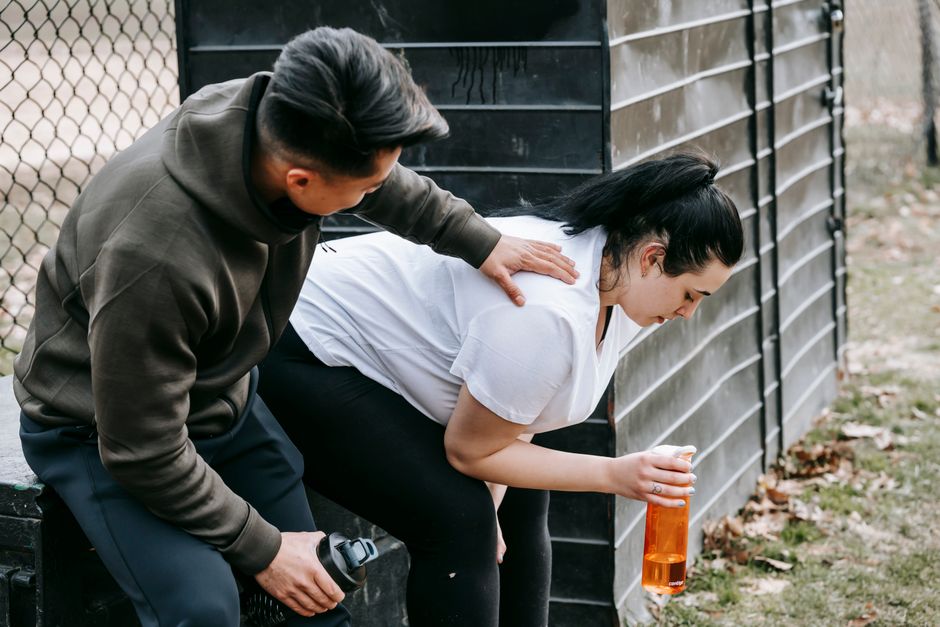
A backache is one of the most common reasons people miss work or visit a doctor. For most sudden (acute) back pain, the best approach is to stay active, apply heat, and use over-the-counter pain relievers like ibuprofen or naproxen. Most episodes improve within a few weeks without medical treatment, though persistent or severe pain needs a professional evaluation.
What Actually Causes a Backache?
The back is a complex structure of bones, joints, ligaments, and muscles. Pain can start in any of these tissues. In many cases, the exact source of the pain is never identified with certainty.
Muscle strains and ligament sprains are the most common culprits. These often happen from lifting something heavy, twisting awkwardly, or sleeping in a bad position. The pain usually feels like a dull ache or sharp spasm in the lower back.
Age-related changes also play a role. Spinal discs act as cushions between the vertebrae. Over time, these discs can dry out, flatten, or bulge. When a disc presses on a nerve root, it can cause pain that radiates down the leg — a condition called sciatica.
Less common but more serious causes include fractures, infections, or tumors. These are rare, but they require prompt medical attention. Warning signs include pain after a fall or injury, fever, unexplained weight loss, or loss of bladder or bowel control.
What Helps A Backache Right Now?
For sudden back pain that started within the last few days, the first goal is pain relief while keeping normal movement. Bed rest for more than a day or two actually slows recovery. Remaining active — within pain limits — helps muscles heal faster.
Heat therapy is one of the most effective immediate measures. A heating pad or warm shower relaxes tense muscles and increases blood flow to the area. Some research suggests heat provides better short-term pain relief than over-the-counter pain medication alone.
Cold packs can help if the pain follows a specific injury. Ice reduces inflammation and numbs the area. Apply it for 15 to 20 minutes at a time during the first 48 hours after the injury. After that, most people find heat more soothing.
Over-the-counter nonsteroidal anti-inflammatory drugs (NSAIDs) like ibuprofen (Advil, Motrin) and naproxen (Aleve) reduce both pain and inflammation. Acetaminophen (Tylenol) relieves pain but does not reduce inflammation. Follow the dosing instructions on the label and check with a pharmacist if you take blood thinners or have kidney or stomach issues.
When Should You Move and When Should You Rest?
Complete bed rest was once the standard advice for back pain. Research now shows that prolonged rest weakens the muscles and makes recovery slower. The current consensus is clear: staying active is better than lying still.
That does not mean pushing through severe pain. Gentle activity like walking, stretching, or doing light household tasks is appropriate. The key is to avoid movements that sharply increase pain, especially bending and twisting while lifting.
If sitting is uncomfortable, use a chair with good lumbar support or place a small rolled towel behind your lower back. Change positions frequently. Standing for long periods strains the back just as much as sitting for long periods.
Sleeping can be a challenge with back pain. Sleeping on your side with a pillow between your knees reduces spinal rotation. Sleeping on your back with a pillow under your knees maintains the natural curve of your lower spine. Avoid sleeping on your stomach, which forces the neck and lower back into strained positions.





What Are the Best Exercises for Back Pain?
Once the sharpest pain begins to ease, specific exercises can speed recovery and reduce the chance of recurrence. The goal is to strengthen the muscles that support the spine — the core, back, and hip muscles.
Walking is the simplest and safest exercise during the early phase. Start with short, frequent walks rather than one long walk. A 10-minute walk every few hours is often more tolerable than a single 30-minute walk.
Gentle stretching can relieve muscle tension. A knee-to-chest stretch — lying on your back and pulling one knee toward your chest — targets the lower back muscles. Hold for 20 to 30 seconds and repeat on the other side. Stretching should never cause sharp or shooting pain.
Core-strengthening exercises become important once acute pain subsides. Pelvic tilts, bird-dog exercises (extending opposite arm and leg while on all fours), and bridges (lifting the hips while lying on your back with knees bent) are all appropriate starting points.
Some research suggests that specific exercise programs like the McKenzie method — which uses repeated extension movements — help certain types of back pain. The evidence is strongest for pain that worsens with sitting or bending forward and improves with walking or standing.
What Are the Red Flags That Require Immediate Medical Care?
Most backaches resolve on their own, but some require urgent evaluation. The term “red flags” refers to signs that point to a more serious underlying condition.
Seek emergency care if back pain occurs with any of the following:
- Loss of bladder or bowel control
- Numbness in the groin or inner thigh area
- Weakness in one or both legs
- Pain that follows a recent fall, blow, or accident
- Fever, chills, or unexplained weight loss
- Severe pain that does not improve with rest or position changes
These symptoms can indicate cauda equina syndrome — a condition where nerve roots at the base of the spinal cord are compressed. It requires emergency surgery to prevent permanent nerve damage.
See a doctor within a few days if the pain lasts more than two weeks, if it radiates below the knee, or if it interferes significantly with daily activities. Most people do not need imaging like X-rays or MRIs for acute back pain. These scans rarely change treatment decisions in the first several weeks and expose you to unnecessary radiation or cost.
What Helps Prevent Future Backaches?
Preventing a first episode is not always possible. Preventing recurrence is more achievable. The strongest evidence points to regular exercise and maintaining a healthy weight.
Strong core muscles protect the spine. You do not need gym equipment to build them. Planks, bridges, and abdominal bracing exercises performed several times per week are effective. Consistency matters more than intensity.
Proper lifting technique prevents many injuries. Keep the object close to your body, bend at the knees rather than the waist, and tighten your abdominal muscles before lifting. Avoid twisting while holding a heavy load.
Smoking is a less obvious risk factor for back pain. Nicotine reduces blood flow to the spinal discs, which accelerates degeneration. Quitting smoking improves disc health and reduces back pain risk.
Ergonomics matter for people who sit at desks all day. Your chair should support the natural curve of your lower back. Your feet should rest flat on the floor. Your computer monitor should be at eye level so you are not craning your neck forward.
What About Chiropractic Care, Massage, or Acupuncture?
Many people seek manual therapies for back pain, and some find them helpful. The evidence for each varies.
Spinal manipulation performed by chiropractors or osteopathic physicians has moderate evidence for short-term relief of acute low back pain. Some studies show it is roughly as effective as standard medical care. Serious complications are rare but do exist, so it is important to be evaluated by a medical professional first to rule out serious causes.
Massage therapy can provide short-term relief, particularly for muscle-related pain. The effect appears to be modest and temporary. Massage does not correct structural problems, but it can reduce muscle spasm and improve comfort during recovery.
Acupuncture has mixed evidence for back pain. Some trials show small benefits compared to no treatment, but studies comparing acupuncture to sham acupuncture (needles placed in non-acupuncture points) show little difference. This suggests the benefit may come largely from the placebo effect or from the therapeutic interaction itself.
None of these therapies should replace standard medical evaluation when red flags are present. They are reasonable options for symptom management, not cures for underlying conditions.
Frequently Asked Questions
How long does a backache usually last?
Most acute back pain episodes improve within 4 to 6 weeks, and many resolve within a few days. If pain lasts longer than 12 weeks, it is classified as chronic back pain and typically requires a more structured treatment approach.
Is heat or ice better for back pain?
Heat is generally better for muscle tension and stiffness, while ice is better within the first 48 hours after a specific injury. For most backaches, heat provides more immediate comfort.
Can a mattress cause back pain?
A mattress that is too soft or too firm can contribute to back pain, but the evidence is not definitive. A medium-firm mattress is the most commonly recommended choice based on available research.
When should I see a doctor for back pain?
See a doctor if pain lasts more than two weeks, radiates below the knee, or interferes with daily life. Seek emergency care immediately for loss of bladder or bowel control, leg weakness, or pain after a serious injury.
