
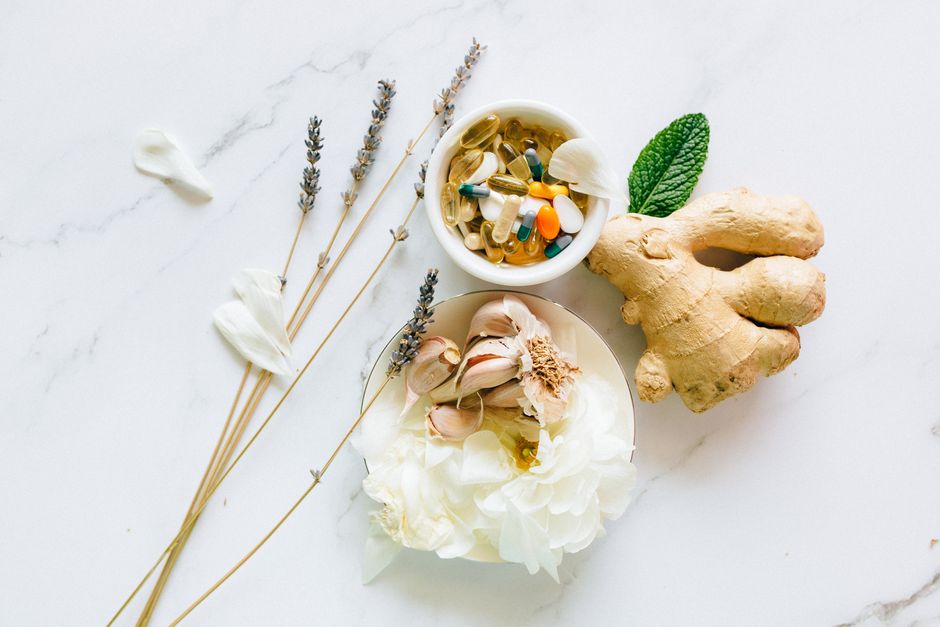
The gut lining replaces itself faster than almost any other tissue in the body. That constant renewal is why food matters so much — it supplies the raw material for repair. The nutrients with the strongest evidence for gut healing include dietary fiber, fermented foods, omega-3 fats, glutamine, zinc, and vitamin D. No single food repairs the gut. A steady dietary pattern does.
What heals the gut is not a supplement or a cleanse. It is a way of eating that feeds beneficial bacteria, calms inflammation, and gives the intestinal lining what it needs to rebuild. Some of that is well established. Some of it is early science. This article separates the two.
What Heals The Gut Foods And Nutrients That Repair It?
The strongest evidence points to two things: fiber and fermented foods. A study from Stanford University, published in the journal Cell in 2021, compared these directly. Participants who ate a high-fiber diet showed increases in fiber-degrading gut bacteria. Those who ate fermented foods showed increases in overall microbiome diversity and drops in inflammatory markers. Both matter. They do different jobs.
Fiber feeds bacteria that already live in your colon. Fermented foods introduce new microbes and their metabolic byproducts. Think of fiber as fertilizer and fermented food as seed. You generally want both.
Beyond those two, several nutrients have solid roles in maintaining the intestinal barrier:
- Glutamine — the primary fuel source for cells lining the small intestine
- Zinc — supports the tight junctions that keep the gut barrier sealed
- Vitamin D — involved in immune regulation in the gut lining
- Omega-3 fatty acids — help moderate inflammatory signaling
- Vitamin A — supports the mucus layer that protects intestinal cells
These nutrients support normal gut function. That is different from saying they treat disease. If you have a diagnosed condition like inflammatory bowel disease or celiac disease, food supports treatment. It does not replace it.
How Does Fiber Repair the Gut Lining?
Fiber does not touch your gut lining directly. Your gut bacteria break it down first. The result is short-chain fatty acids — mainly butyrate, acetate, and propionate. Butyrate is the one that matters most for the colon. Colon cells use butyrate as their main energy source. Without it, they struggle to maintain the barrier.
Butyrate also helps regulate inflammation and supports the mucus layer that sits between bacteria and your intestinal cells. That mucus layer is not decoration. It is a physical barrier. When it thins, bacteria get closer to the lining than they should.
Not all fiber works the same way. Fermentable fiber is the type bacteria can break down. Good sources include:
- Oats and barley
- Beans, lentils, and chickpeas
- Onions, garlic, and leeks
- Bananas, especially less ripe ones
- Cooked and cooled potatoes and rice (which form resistant starch)
Most Americans get far less fiber than recommended. Federal dietary guidelines suggest roughly 25 to 30 grams per day for adults, though exact targets vary by age and sex. Most adults fall well short of that. Increasing fiber gradually matters — jumping from 10 grams to 30 grams overnight causes bloating and gas. Add a few grams per week and drink enough water.
Do Fermented Foods Actually Change Your Gut?
Yes, and this is one of the better-supported findings in gut health research. The Stanford trial found that a diet high in fermented foods increased microbiome diversity and lowered markers of inflammation over a 10-week period. That is a meaningful result. Diversity is generally considered a sign of a healthy gut.
Fermented foods include yogurt with live cultures, kefir, kimchi, sauerkraut, miso, and tempeh. Not all fermented foods contain live microbes. Beer and wine are fermented but the microbes are gone. Shelf-stable sauerkraut is usually pasteurized, which kills the bacteria. Check labels for “live and active cultures” or “unpasteurized.”
One caution worth stating plainly: people with histamine intolerance or certain digestive conditions sometimes react badly to fermented foods. If fermented foods consistently cause symptoms, that is information, not a personal failing. Talk to a doctor or dietitian.


Can Glutamine and Zinc Really Heal the Gut?
Glutamine is the preferred fuel for enterocytes — the cells lining the small intestine. This is established physiology, not a marketing claim. During periods of stress, injury, or illness, the body’s demand for glutamine rises and blood levels can drop. In those situations, glutamine supplementation has been studied in clinical settings, particularly in critically ill patients and those recovering from gastrointestinal surgery.
Does that mean healthy people should take glutamine powder? The evidence does not support that. If you eat adequate protein, you almost certainly get enough glutamine from food. It is abundant in beef, chicken, fish, dairy, eggs, beans, and cabbage. For a person with a normal diet and no diagnosed condition, supplementing glutamine has not been shown to repair anything that is not already repairing itself.
Zinc is different. Deficiency clearly impairs gut barrier function — this is well documented. Zinc supports the proteins that form tight junctions between intestinal cells. But zinc deficiency is not common in people eating a varied diet. Good sources include oysters, beef, pumpkin seeds, and lentils. Taking high-dose zinc long-term can cause copper deficiency and other problems. More is not better here.
What About Omega-3s and Vitamin D for Gut Health?
Both have plausible and partially supported roles, and both are worth getting from food. Omega-3 fatty acids — found in fatty fish like salmon, sardines, and mackerel, plus walnuts and flaxseed — help regulate inflammatory pathways. Chronic low-grade gut inflammation is a feature of several digestive conditions. Whether omega-3s meaningfully improve those conditions is still being studied. The evidence is mixed.
Vitamin D matters for gut immunity. Immune cells in the intestinal lining carry vitamin D receptors. Low vitamin D levels are common in people with inflammatory bowel disease, though whether low vitamin D contributes to the disease or results from it is not fully settled. Some research suggests vitamin D may help maintain the gut barrier. That is not the same as proving it treats gut disease.
Vitamin A deserves a mention. It supports the production of mucus in the gut. The mucus layer is the gut’s first line of defense. Eggs, liver, sweet potatoes, carrots, and leafy greens are good sources.
Which Foods Should You Limit for Gut Repair?
This is where honesty matters. The evidence on “inflammatory foods” is weaker than the internet suggests. No single food has been proven to damage the gut lining in otherwise healthy people. That said, some patterns are worth attention.
Heavy alcohol use is clearly harmful to the gut barrier. This is well established. Alcohol can increase intestinal permeability and disrupt the mucus layer. That is not a subtle effect.
Diets very high in ultra-processed foods tend to be low in fiber and low in the nutrients listed above. The problem is usually what is missing, not what is present. Emulsifiers — common in processed foods — have been studied for effects on gut bacteria, but the human evidence is early and not conclusive. Some studies suggest they may affect the microbiome. That is not the same as saying they cause harm in typical amounts.
Sugar gets blamed for everything. The direct evidence that sugar damages the gut lining in healthy adults is limited. What is better supported is that high-sugar diets tend to crowd out fiber-rich foods.
How Long Does It Take to Repair the Gut?
There is no single timeline, and anyone who gives you one is guessing. The gut lining turns over roughly every three to five days in healthy people. But “repair” means different things depending on what you are repairing.
If you are recovering from a short course of antibiotics, some bacterial shifts can be detected within weeks. Full recovery of the microbiome can take longer — sometimes months — and may not return to its original state. Research on this is ongoing.
If you are changing your diet to support gut health, the Stanford trial saw measurable changes in 10 weeks. That is a reasonable frame for dietary change. It is not a promise.
For diagnosed conditions like celiac disease, the timeline is different. The gut lining can take months to years to heal after starting a gluten-free diet, and healing varies widely between individuals. That is a medical situation, not a dietary optimization project.
Do Probiotic Supplements Help Repair the Gut?
Sometimes. It depends entirely on the strain, the dose, and the reason you are taking it.
Probiotics are not one thing. They are many different organisms with different effects. Specific strains have evidence for specific uses — for example, certain strains have been studied for antibiotic-associated diarrhea and for some digestive conditions. But a random probiotic off a shelf is not a gut repair product. It may do nothing.
Fermented foods are a different category. They contain live microbes plus the compounds those microbes produced during fermentation. The Stanford research used fermented foods, not supplements. If you want to support your microbiome through microbes, food is the better-studied route for generally healthy people.
If you have a serious digestive condition or a compromised immune system, talk to a doctor before starting probiotics. In some cases they carry real risk.
Frequently Asked Questions
What is the single best food for gut repair?
There is no single best food — the evidence supports a pattern, not one item. Fiber-rich foods and fermented foods have the strongest research behind them for supporting gut health.
How long does it take to heal the gut with diet?
Measurable changes in gut bacteria and inflammation markers have been seen in about 10 weeks in clinical research. Healing timelines for diagnosed conditions like celiac disease can be much longer and vary by person.
Can I repair my gut without supplements?
For most healthy adults, yes — food sources of fiber, fermented foods, protein, and omega-3s cover the nutrients involved in gut maintenance. Supplements have not been shown to repair a healthy gut faster than food.
Does bone broth heal the gut lining?
Bone broth contains glutamine and collagen, but no clinical trials have shown it repairs the gut lining in humans. The nutrients in it are available from many other protein sources.
