
Your gut doesn’t need a cleanse, a detox tea, or a 10-day juice fast. It needs fiber, fermented foods, and time. The gut microbiome is a community of trillions of bacteria, viruses, and fungi living mostly in your large intestine. What you feed them determines which ones thrive. Fiber-rich plant foods feed beneficial bacteria. Fermented foods introduce live microorganisms. Together, these two categories have the strongest evidence behind them for supporting gut health.
What To Eat To Clean Your Gut Foods That Actually Work
Two food groups have the most consistent research support: fiber-rich plants and fermented foods. Neither “cleans” your gut in the way marketing language suggests. Instead, they change the environment inside your colon. They shift which bacteria grow, how much short-chain fatty acid your gut produces, and how strong your intestinal lining stays.
Fiber from vegetables, fruits, legumes, and whole grains is the primary fuel for your gut bacteria. When bacteria ferment this fiber, they produce short-chain fatty acids like butyrate, acetate, and propionate. Butyrate is the main energy source for the cells lining your colon. It helps maintain the intestinal barrier and supports a healthy inflammatory response.
Fermented foods like yogurt with live cultures, kefir, sauerkraut, kimchi, and miso contain live microorganisms. A study from Stanford University published in the journal Cell found that a diet high in fermented foods increased microbiome diversity and decreased markers of inflammation in healthy adults. That’s one of the stronger human trials in this area, though it was relatively small.
What doesn’t work: juice cleanses, detox teas, activated charcoal, and most supplements marketed for gut cleansing. No clinical evidence supports the idea that these remove toxins or “reset” your gut. Your liver and kidneys handle detoxification. Your gut doesn’t accumulate toxins that a tea can flush out.
How Does Fiber Feed Your Gut Bacteria?
Fiber is a carbohydrate your small intestine can’t digest. It passes through to your large intestine, where gut bacteria break it down through fermentation.
Different fibers feed different bacteria. This matters because bacterial diversity is one of the strongest markers of a healthy microbiome. A diverse microbiome is more resilient and tends to produce more beneficial compounds.
Two main types of fiber matter here:
- Soluble fiber dissolves in water and forms a gel. It’s found in oats, barley, beans, lentils, apples, and citrus. Gut bacteria ferment it readily.
- Insoluble fiber doesn’t dissolve. It adds bulk to stool and speeds transit through the colon. It’s found in whole wheat, nuts, cauliflower, green beans, and potato skins.
Most Americans get about 15 grams of fiber per day. The Institute of Medicine recommends 25 grams daily for women and 38 grams for men under 50. A large majority of adults fall short.
Increasing fiber too quickly causes bloating, gas, and cramping. Your gut bacteria need time to adjust. Increase gradually over several weeks and drink enough water.
Which Fermented Foods Have the Best Evidence?
Fermented foods contain live bacteria and yeast. Not all fermented foods do. Beer, wine, and most bread are fermented but the live cultures are removed or destroyed during processing.
Fermented foods with live cultures include:
- Yogurt with “live and active cultures” on the label. Most commercial yogurt in the US meets this standard.
- Kefir, a fermented milk drink with a more diverse mix of bacteria and yeasts than yogurt.
- Sauerkraut and kimchi, fermented cabbage. Choose refrigerated versions, not shelf-stable jars, because heat processing kills live cultures.
- Miso, fermented soybean paste used in soups.
- Tempeh, fermented soybean cake.
- Kombucha, fermented tea. Evidence for its specific gut benefits is weaker than for dairy-based fermented foods.
The Stanford study found that participants who ate a fermented-food-heavy diet for 10 weeks saw increased microbiome diversity. The fiber-heavy group in the same study did not show the same increase in diversity, though fiber has other well-documented benefits. The researchers noted that fermented foods may be especially useful for people whose microbiomes are already low in diversity.
One practical note: probiotic supplements and fermented foods are not the same thing. Supplements contain specific isolated strains in controlled doses. Fermented foods contain complex, variable communities of microbes. The evidence for fermented foods as a category is generally stronger than for most individual probiotic supplements, though research on specific probiotic strains for specific conditions does exist.



What About Prebiotics and Polyphenols?
Prebiotics are specific types of fiber that selectively feed beneficial bacteria. They’re not a separate food group — they’re found within fiber-rich foods.
Good prebiotic sources include:
- Garlic, onions, leeks, and asparagus
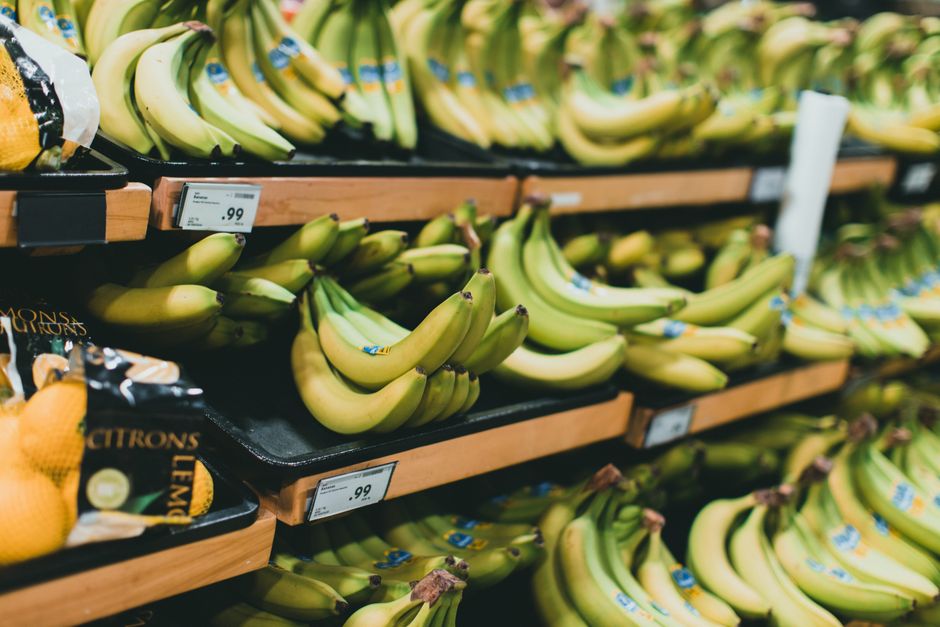
- Bananas, especially slightly green ones
- Oats and barley
- Apples and pears
- Legumes like chickpeas and lentils
Polyphenols are plant compounds with antioxidant properties. Some research suggests they can be metabolized by gut bacteria and may support beneficial bacterial growth. Foods high in polyphenols include berries, dark chocolate, red grapes, green tea, and coffee.
The evidence for polyphenols and gut health is promising but still developing. Most studies are observational or small. It’s reasonable to include polyphenol-rich foods as part of a varied diet, but no clinical trial has confirmed that eating blueberries alone will change your microbiome in a meaningful way.
What Foods Harm Your Gut Bacteria?
A diet high in ultra-processed foods, added sugars, and saturated fats tends to reduce microbial diversity. This is one of the more consistent findings in nutrition research, though the exact mechanisms are still being studied.
Emulsifiers are a specific area of concern. These additives, found in many processed foods, help mix ingredients that normally separate. Some animal studies and a small number of human studies suggest certain emulsifiers may affect the gut lining and alter the microbiome. The evidence in humans is limited and not definitive. This doesn’t mean you need to avoid all emulsifiers, but a diet built around whole foods rather than processed ones is a reasonable goal.
Artificial sweeteners have been studied for their effects on gut bacteria. Results are mixed. Some studies suggest certain sweeteners may alter gut bacteria composition in ways that could affect glucose metabolism. Other studies show no meaningful effect. The evidence does not currently support a clear conclusion either way.
Alcohol can disrupt the gut barrier and alter bacterial populations, especially with heavy or chronic use. Moderate drinking’s effect on the microbiome is less clear.
How Long Does It Take to Change Your Gut Bacteria?
Your microbiome can shift within days of changing your diet. But meaningful, lasting change takes longer.
Some research shows that bacterial populations begin responding to dietary changes within 24 to 48 hours. A study published in Nature found that switching between plant-based and animal-based diets changed microbial composition quickly. However, the core microbiome — the bacteria that are consistently present in your gut — tends to be more stable and may take weeks or months to shift.
Long-term dietary patterns matter more than any single meal. A consistent diet rich in fiber and fermented foods over months and years is what supports a diverse, resilient microbiome. Occasional indulgences don’t undo your progress.
Antibiotics are a major disruptor. A single course can reduce bacterial diversity for weeks to months. In some cases, certain species may not fully recover. If you take antibiotics, eating fermented foods and fiber-rich foods afterward may help support recovery, though research on how much this helps is still limited.
Do You Need Supplements or Cleanses?
No established clinical guidelines recommend gut cleanses or detox products. The concept of “cleaning” your gut is not based on how the digestive system works.
Your colon doesn’t accumulate a layer of toxic waste that needs to be scrubbed away. Mucus, dead cells, and bacteria are constantly shed and replaced. Your liver processes and neutralizes harmful substances. Your kidneys filter waste from your blood. These organs do the work that cleanses claim to do.
Probiotic supplements are a different category. Some specific strains have evidence for specific conditions — for example, certain Lactobacillus and Bifidobacterium strains for antibiotic-associated diarrhea. But the supplement market is largely unregulated in the US. Products don’t always contain the strains or amounts listed on the label. And the evidence for general “gut health” benefits from supplements is much weaker than for fermented foods.
If you’re considering a probiotic supplement for a specific condition, talk to your doctor. For general gut health, food sources have better evidence and fewer unknowns.
What Does a Gut-Friendly Day of Eating Look Like?
You don’t need exotic ingredients. A gut-friendly diet is built from foods you can find at any grocery store.
A sample day might include:
- Breakfast: Plain yogurt with live cultures, topped with berries and oats
- Lunch: Lentil soup with a side of kimchi or sauerkraut
- Snack: An apple or a handful of nuts
- Dinner: Grilled salmon with roasted vegetables and barley or brown rice
That day provides soluble and insoluble fiber, fermented foods, polyphenols, and a range of plant compounds. It’s not a cleanse. It’s just food that feeds the bacteria already living in your gut.
The most important thing is consistency. Eating one fermented food once won’t change much. Building these foods into your regular diet over months is what the evidence supports.
Frequently Asked Questions
What is the fastest way to improve gut health?
Increasing fiber and fermented foods gradually over a few weeks is the most evidence-supported approach. Your microbiome can start responding within days, but lasting changes take longer.
Do probiotics actually work for gut health?
Some specific probiotic strains have evidence for specific conditions like antibiotic-associated diarrhea. For general gut health, fermented foods have stronger evidence than most supplement products.
Can you clean your gut with food?
No food “cleans” your gut in the way detox products claim. Fiber and fermented foods change which bacteria thrive, but your liver and kidneys handle detoxification.
How long does it take to fix your gut microbiome?
Bacterial populations begin shifting within 24 to 48 hours of dietary changes. Meaningful, lasting changes to your core microbiome typically take weeks to months of consistent eating habits.
