
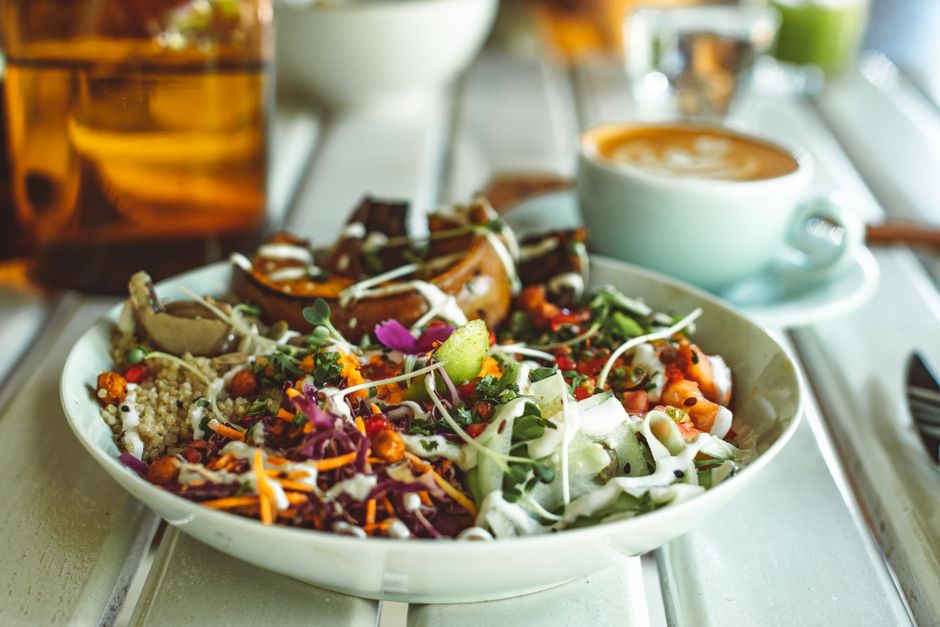
Eating undercooked quinoa is generally not dangerous for most people, but it can cause mild digestive discomfort. Unlike raw beans or raw poultry, undercooked quinoa does not pose a risk of food poisoning in the typical sense. The main issues are a hard, crunchy texture and possible stomach upset from saponins, natural compounds that can irritate the digestive tract. If you eat a small portion of undercooked quinoa, you will likely feel fine or have only minor bloating or gas.
What Does “Undercooked Quinoa” Mean?
Quinoa is a seed that cooks like a grain. Fully cooked quinoa is soft, fluffy, and the tiny germ ring is visible around each seed. Undercooked quinoa still feels hard or crunchy when you bite into it. The seeds may look translucent or chewy rather than opaque and tender. This happens when the quinoa has not absorbed enough water or has not been cooked long enough.
Can Undercooked Quinoa Make You Sick?
For most healthy adults, eating undercooked quinoa will not cause illness. It is not raw meat or raw eggs. The main concern is digestion. Undercooked quinoa is harder for your body to break down. The starch inside the seed is not fully gelatinized, meaning it can pass through the small intestine partially intact. Once it reaches the colon, bacteria ferment it, which can produce gas, bloating, and mild cramping. Some people may experience loose stools. Serious reactions are rare.
Research consistently shows that quinoa contains natural compounds called saponins, which are bitter and can irritate the gut lining. Most commercial quinoa is pre-rinsed to remove most saponins, but undercooking may leave them more concentrated. If you eat a large amount of heavily saponin-containing quinoa that is also undercooked, nausea or stomach pain is possible. However, no clinical evidence confirms that undercooked quinoa is toxic.
The bottom line: undercooked quinoa is not a food safety hazard the way raw chicken or undercooked beans are. The risk is limited to digestive discomfort, not poisoning.
The Role of Saponins in Quinoa
Saponins are natural soap-like compounds found on the outer layer of quinoa seeds. They protect the plant from insects and birds. In humans, saponins can taste bitter and may cause mild irritation to the stomach and intestines. Some people are more sensitive than others. The amount of saponins varies by quinoa variety and processing method. Most packaged quinoa in the United States is labeled “pre-rinsed,” which means most saponins have been washed off during manufacturing. However, a thin coating may remain. Rinsing quinoa at home under cold water before cooking removes additional saponins.
Studies indicate that saponins are not absorbed well by the body and are generally considered safe in the quantities found in cooked quinoa. The bigger issue with undercooked quinoa is that any residual saponins are more likely to stay on the seed rather than dissolve into the cooking water. This can increase the bitter taste and irritating effect. If you are prone to acid reflux, IBS, or a sensitive stomach, undercooked quinoa with saponins might provoke more noticeable symptoms.





How to Tell If Quinoa Is Fully Cooked
Visual cues are reliable. Fully cooked quinoa will have a small white ring or spiral visible around each seed. This is the germ that has separated from the seed body. The seeds themselves will be translucent and tender, not opaque and hard. You can also press a seed between your thumb and forefinger. If it flattens easily, it is done. If it pops back or feels firm, it needs more time.
Taste test: properly cooked quinoa has a mild, nutty flavor and a light chew. Undercooked quinoa tastes raw and has a crunchy, gritty texture. Overcooked quinoa becomes mushy and can lose its shape.
Typical cooking instructions call for one part quinoa to two parts water, simmered for about 15 minutes after boiling, then rested off heat for 5 minutes. Cooking times can vary by altitude, pot type, and quinoa variety. If your quinoa remains hard after the suggested time, add a few tablespoons of water and continue simmering covered for another 5 minutes.
What Should You Do If You Ate Undercooked Quinoa?
If you already ate undercooked quinoa, do not panic. For most people, no action is needed. Drink water to help digestion. If you feel bloated or gassy, walking or light movement may relieve discomfort. Over-the-counter gas relief products containing simethicone can help if symptoms bother you. If nausea occurs, small sips of clear liquids and resting the stomach for a few hours usually resolves it. Symptoms typically pass within a few hours to a day.
Seek medical attention only if you develop severe abdominal pain, persistent vomiting, bloody diarrhea, or signs of an allergic reaction such as hives or swelling. These are not typical reactions to undercooked quinoa and would likely indicate another cause.
Undercooked quinoa is not known to cause foodborne infections. Unlike raw grains that might be contaminated with bacteria, the cooking process itself is what makes quinoa safe from microbial concerns. If the quinoa was cooked at all, any bacteria present would have been killed. The issue is purely about texture and digestibility.
How to Cook Quinoa Properly to Avoid Undercooking
The most common mistake is using too little water or not simmering long enough. Follow the standard ratio: 1 cup quinoa to 2 cups water or broth. Bring to a boil, then reduce to a low simmer, cover, and cook for 15 minutes. Do not lift the lid during cooking. After 15 minutes, turn off the heat and let the quinoa sit covered for 5 to 10 minutes. Fluff with a fork.
Rinsing quinoa before cooking removes surface saponins and also helps the seeds cook more evenly. Use a fine-mesh strainer and rinse under cool water for 30 seconds. If your packaged quinoa says “pre-rinsed,” a quick rinse is still fine but not necessary. Toasting quinoa in a dry pan for 2 to 3 minutes before adding water can also improve texture and nutty flavor without affecting cooking time.
If you are cooking a large batch or cooking at high altitude, you may need to increase water and cooking time. At elevations above 3,000 feet, add an extra ¼ cup of water per cup of quinoa and simmer for 18 to 20 minutes. Check texture before serving.
Does Overcooked Quinoa Present Any Risks?
Overcooked quinoa is not dangerous, but it becomes mushy and less appetizing. The nutritional value remains largely intact, though some water-soluble vitamins may leach into the cooking water if drained. There are no harmful compounds created by overcooking quinoa. The only downside is texture and flavor. Overcooked quinoa is perfectly safe to eat.
What Happens If You Eat Raw Quinoa (Not Cooked at All)?
Eating completely raw, dry quinoa is not recommended. Dry raw quinoa is very hard and could damage teeth. It is also difficult to digest and may cause more pronounced bloating, gas, and stomach discomfort. Raw quinoa contains higher levels of saponins and phytic acid, an antinutrient that can reduce mineral absorption. No clinical guidelines exist for raw quinoa consumption because it is not a food intended to be eaten raw. If you accidentally ingest a small handful of dry quinoa, drink water afterward and expect minor digestive upset. A few seeds here and there from the package will not cause harm, but eating a full serving raw is unwise.
Frequently Asked Questions
Frequently Asked Questions
Can undercooked quinoa cause food poisoning?
No, undercooked quinoa is not known to cause food poisoning. Unlike raw meat, eggs, or undercooked beans, quinoa does not contain toxins that require full cooking for safety. The risk is limited to digestive discomfort from the hard texture and saponins.
Are saponins in quinoa dangerous?
No, saponins in commercially available quinoa are present in very low amounts and are generally considered safe for human consumption. They can cause mild stomach irritation in sensitive people, especially if the quinoa is undercooked and not rinsed. Most saponins are removed during rinsing and cooking.
How long does it take to digest undercooked quinoa?
Digestion time varies, but the undigested starch in undercooked quinoa typically reaches the colon within 4 to 6 hours after eating. This is when gas and bloating may occur. Symptoms usually resolve within 24 hours as the material passes through the system.
Should I rinse quinoa even if the package says pre-rinsed?
It is not necessary, but rinsing provides an extra layer of safety against residual saponins and can help ensure even cooking. If you have a sensitive stomach or notice a bitter taste in cooked quinoa, rinsing before cooking is a good practice.
