
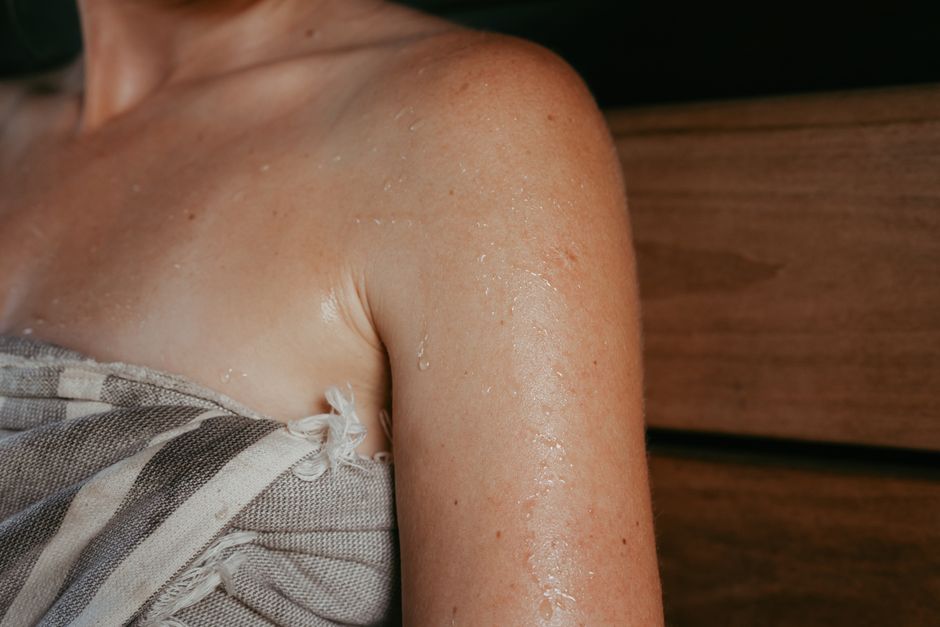
Sweating easily is often misunderstood. Many people assume it means you are out of shape or unhealthy. The truth is more complex. Your body sweats to cool itself down. If you sweat more than others, it usually means your cooling system is more sensitive or efficient. It can also signal an underlying condition. But it is rarely a simple sign of poor fitness. Let’s look at what the evidence actually says about why this happens.
What Actually Causes Excessive Sweating?
Sweating is controlled by your nervous system. Specifically, the part called the sympathetic nervous system. It tells your sweat glands to activate when your body gets too hot. Some people have a more reactive system. Their glands get the signal faster and stronger. This is called primary hyperhidrosis. It is not caused by another disease. It is just how your body is wired.
Research shows that primary hyperhidrosis affects about 3% of the population. It often starts in childhood or adolescence. It runs in families, which points to a genetic link. If a close relative sweats heavily, you are more likely to as well. The sweating usually happens in specific areas like the palms, feet, underarms, or face. It can happen even when you are not hot or exercising.
Secondary hyperhidrosis is different. It is caused by something else going on in your body. Common causes include thyroid problems, diabetes, menopause, infections, or certain medications. If you start sweating heavily as an adult and it is new for you, this is more likely the cause. Your doctor can run simple blood tests to check for these conditions. As of 2026, current research suggests that anxiety and stress also play a major role. Your brain sends sweat signals before your body even heats up. This is why public speaking or a tense meeting can leave you soaked.
Is Sweating Easily a Sign of Poor Fitness?
This is one of the most common myths. The short answer is no. In fact, the opposite may be true. Several studies have found that fitter people start sweating sooner and sweat more during exercise. Their bodies are more efficient at cooling down. This allows them to exercise harder for longer without overheating.
One well-known study compared trained athletes to untrained people. The athletes began sweating at a lower body temperature. They also produced more sweat overall. Their bodies had adapted to cool themselves faster. So if you sweat easily during a workout, it might mean your body is in good shape. It has learned to respond quickly.
That said, being overweight can also increase sweating. More body mass means more heat production during activity. It takes more energy to move a larger body. This extra heat triggers more sweating. So weight can influence how much you sweat. But sweating easily by itself is not a sign of being unfit. It is a sign of a responsive cooling system. If you are concerned, look at other health markers like your heart rate, endurance, and how you feel during exercise.
Does Your Diet or Lifestyle Make You Sweat More?
Yes, and the evidence is fairly clear on several factors. Spicy foods are a well-known trigger. Capsaicin, the compound that makes chili peppers hot, tricks your body into thinking it is overheating. Your brain responds by activating sweat glands. This is called gustatory sweating. It is harmless but can be intense.
Caffeine and alcohol also play a role. Caffeine stimulates your nervous system, including the part that controls sweating. A large coffee or energy drink can make you feel warmer and sweat more. Alcohol dilates blood vessels near your skin. This makes you feel flushed and can trigger sweating. For some people, even small amounts of alcohol cause noticeable sweating.
Your clothing choices matter too. Synthetic fabrics like polyester trap heat and moisture. They do not let your skin breathe. Cotton and moisture-wicking materials allow sweat to evaporate, which cools you down faster. If you wear tight or non-breathable clothes, your body may sweat more to compensate. Smoking is another factor. Nicotine is a stimulant. It raises your heart rate and body temperature, which can increase sweating. Some studies suggest that quitting smoking reduces excessive sweating over time.



What Are the Medical Treatments for Heavy Sweating?
If sweating bothers you, there are options. The first line of treatment is usually clinical-strength antiperspirants. These contain aluminum chloride, which blocks sweat ducts. Over-the-counter versions work for mild cases. Prescription versions are stronger. They are applied at night and can reduce sweating significantly for many people.
Iontophoresis is another option. You place your hands or feet in a shallow tray of water while a mild electrical current passes through. It is not painful. The treatment blocks sweat glands temporarily. Studies show it works well for about 80% of people with palmar or plantar hyperhidrosis. You need multiple sessions at first, then maintenance treatments.
Botox injections are approved for underarm sweating. Botox blocks the chemical signals that tell sweat glands to activate. Results last about 4 to 6 months. Some studies report an 80% reduction in sweating. It is expensive and not always covered by insurance. For severe cases, there is a procedure called miraDry. It uses microwave energy to destroy sweat glands in the underarms permanently. The glands do not grow back. Side effects can include swelling and temporary numbness.
Oral medications like anticholinergics can reduce whole-body sweating. But they have side effects like dry mouth, blurred vision, and constipation. They are usually a last resort. Surgery to cut the nerves that trigger sweating exists but carries serious risks. It can cause compensatory sweating elsewhere on the body. Most doctors do not recommend it unless other treatments have failed.
| Treatment | How It Works | Typical Effectiveness |
|---|---|---|
| Prescription antiperspirant | Blocks sweat ducts | 70-80% reduction |
| Iontophoresis | Electrical current blocks glands | 80% for hands/feet |
| Botox injections | Blocks nerve signals | 80% for underarms |
| miraDry | Destroys glands permanently | 90% reduction |
| Oral medication | Reduces whole-body sweating | 50-70% with side effects |
What Natural Approaches Actually Help?
Some people report that certain lifestyle changes reduce sweating. The evidence for these is weaker than for medical treatments, but they are worth trying. One simple change is to use a clinical-strength antiperspirant rather than a deodorant. Deodorant only masks smell. Antiperspirant blocks sweat. Many people do not know the difference.
Sage tea is a traditional remedy. Some small studies suggest that compounds in sage can reduce sweat production. The evidence is not strong, but it is safe to try. Drink one or two cups a day. Avoid sage supplements in high doses, as they can be toxic. Another approach is managing your anxiety. Since stress triggers sweating, relaxation techniques like deep breathing or meditation may help. One study found that cognitive behavioral therapy reduced sweating in people with social anxiety.
Diet changes can help if you have identified triggers. Keep a food diary for a week. Write down what you eat and when you sweat heavily. You may notice patterns. Common triggers include spicy foods, caffeine, and alcohol. Eliminating them for a few days can tell you if they are the cause. Staying hydrated also helps. When you are dehydrated, your body struggles to cool itself. It may sweat more to compensate. Drink water throughout the day, especially before and during exercise.
Common Misconceptions About Sweating Easily
There are many myths about sweating that are not backed by evidence. One is that sweating more means you are detoxing. Your liver and kidneys handle detoxification, not your sweat glands. Sweat is mostly water and salt. You do not flush out toxins by sweating. This claim is widely promoted but has no scientific support.
Another myth is that sweating a lot during exercise means you had a better workout. Sweat rate depends on genetics, temperature, humidity, and hydration. It has little to do with how hard you worked. Two people doing the same exercise can sweat very different amounts. One is not working harder than the other. Also, some people believe that not sweating is a sign of fitness. That is also false. Not sweating when you should can be dangerous. It may mean your body cannot cool itself properly, which raises the risk of heatstroke.
A final misconception is that you can train your body to sweat less. You cannot. Your sweat response is largely determined by your genetics and nervous system. You can manage it with treatments or lifestyle changes. But you cannot change your baseline sensitivity. Accepting this can reduce frustration. Many people worry unnecessarily about a normal bodily function.
- Sweating does not detox your body.
- More sweat does not mean a better workout.
- Not sweating is not a sign of fitness.
- You cannot train your body to sweat less.
Frequently Asked Questions About Why Do Sweat So Easily
Why do I sweat so easily compared to others?
Your sweat glands are likely more sensitive or numerous. Genetics plays a large role in how reactive your cooling system is.
Can anxiety cause me to sweat more easily?
Yes. Anxiety activates your sympathetic nervous system, which triggers sweat glands even when your body is not hot.
Is sweating easily a sign of a medical problem?
It can be, especially if it starts suddenly in adulthood. Conditions like thyroid disorders, diabetes, or menopause are common causes.
What is the best treatment for excessive sweating?
Prescription antiperspirants are usually the first step. Botox and miraDry are very effective for specific areas like the underarms.
