
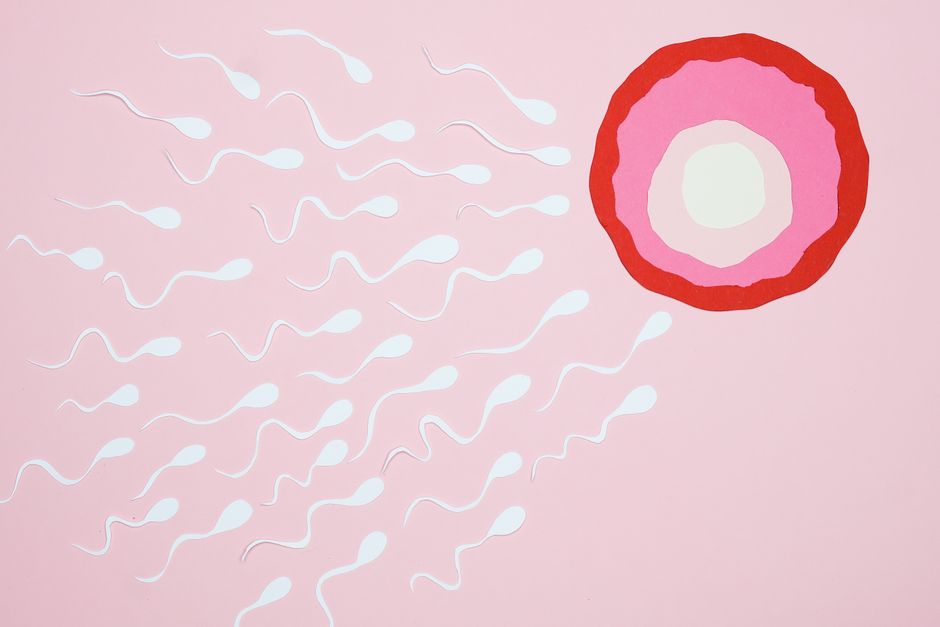
Ovulation is the release of an egg from your ovary. It usually happens about 14 days before your next period starts. After that egg is released, it begins a journey through your fallopian tube. The timeline that follows is a precise sequence of hormonal changes and physical events that prepare your body for a possible pregnancy. Here is what happens after ovulation, day by day.
What Happens After Ovulation Day By Day Timeline?
The day after ovulation, the empty follicle in your ovary transforms into a structure called the corpus luteum. This structure produces progesterone, the hormone that thickens your uterine lining. The egg itself survives for only 12 to 24 hours after release. If sperm is present in the fallopian tube during that window, fertilization can occur. If not, the egg dissolves and the body begins the process that leads to menstruation.
Day 1 to Day 2: The Fertilization Window
The egg is viable for a short time. Fertilization must happen within 12 to 24 hours of ovulation. Sperm, however, can survive inside the female reproductive tract for up to five days. This is why fertile days extend before ovulation, not just after it.
If fertilization occurs, the resulting embryo begins dividing quickly. It travels slowly down the fallopian tube toward the uterus. This journey takes several days. During this time, the corpus luteum keeps producing progesterone to support the uterine lining.
Most women feel no symptoms during this phase. Some report mild cramping or light spotting, but these are not reliable signs of fertilization. The body is working quietly, and most physical changes are not noticeable yet.
Day 3 to Day 4: Embryo Travels Through the Fallopian Tube
The embryo continues dividing as it moves through the fallopian tube. By day four, it has become a structure called a morula, which is a solid ball of cells. The corpus luteum remains active, maintaining high progesterone levels.
Progesterone causes the uterine lining to become thicker and richer in blood vessels. This prepares the uterus to receive an embryo. If no embryo arrives, this lining will eventually be shed during menstruation.
Some women notice breast tenderness or bloating around this time. These symptoms are caused by progesterone, not by the embryo itself. They can occur whether or not fertilization happened.





Day 5 to Day 6: The Embryo Becomes a Blastocyst
By day five, the embryo has developed into a blastocyst. This is a hollow ball of cells with an inner cluster that will become the fetus and an outer layer that will become the placenta. The blastocyst reaches the uterus around this time.
The blastocyst floats freely in the uterine cavity for a day or two. It receives nutrients from the uterine lining during this period. The outer layer of cells begins preparing to attach to the uterine wall.
Progesterone levels remain high. This hormone also causes cervical mucus to thicken, forming a plug that helps protect the uterine cavity from bacteria.
Day 6 to Day 10: Implantation
Implantation typically occurs between day six and day ten after ovulation. The blastocyst attaches to the uterine lining and burrows into it. This process takes several days to complete.
As the blastocyst implants, it begins producing human chorionic gonadotropin, or hCG. This is the hormone detected by pregnancy tests. hCG signals the corpus luteum to keep producing progesterone, preventing the uterine lining from shedding.
Some women experience light spotting during implantation. This is called implantation bleeding. It is usually lighter and shorter than a normal period. However, not all women experience this, and its absence does not mean implantation did not occur.
Mild cramping can also happen during implantation. These cramps are often felt low in the abdomen and may last for a few minutes to a few hours. They are generally milder than menstrual cramps.
Day 11 to Day 14: hCG Levels Rise
After implantation is complete, hCG levels rise rapidly. This hormone doubles approximately every 48 to 72 hours in early pregnancy. A urine pregnancy test can typically detect hCG by the first day of a missed period, which is about day 14 after ovulation.
Some sensitive blood tests can detect hCG earlier, around day nine or ten after ovulation. However, home pregnancy tests vary in sensitivity. Testing too early can produce a false negative result.
Progesterone continues to rise during this period. This hormone is responsible for many early pregnancy symptoms, including fatigue, breast tenderness, and frequent urination. These symptoms can also occur in non-pregnant women due to normal premenstrual hormonal changes.
If Pregnancy Does Not Occur
If the egg is not fertilized, it disintegrates within 24 hours. The corpus luteum begins to break down around day ten to day twelve after ovulation. As it breaks down, progesterone levels drop.
This drop in progesterone triggers the uterine lining to shed. Menstruation typically begins about 14 days after ovulation. The cycle then starts over.
The time between ovulation and the next period is called the luteal phase. It is fairly consistent for most women, usually lasting 12 to 14 days. A luteal phase shorter than 10 days may make it harder to conceive, as the uterine lining may not be adequately maintained.
Symptoms You Might Notice
Progesterone affects the whole body. Common symptoms in the days after ovulation include:
- Breast tenderness or swelling
- Bloating
- Fatigue
- Mild cramping
- Mood changes
- Changes in cervical mucus
These symptoms are caused by progesterone and can occur whether or not pregnancy happens. They are not reliable indicators of conception. The only way to confirm pregnancy is through a positive pregnancy test or a blood test ordered by a doctor.
Basal body temperature also rises after ovulation due to progesterone. It stays elevated until the next period begins. If the temperature remains high past the expected period date, it may be an early sign of pregnancy, but it is not diagnostic.
Key Points to Remember
The egg survives only 12 to 24 hours after ovulation. Sperm can wait for up to five days. The fertile window is therefore about six days long, ending on the day of ovulation.
Implantation happens about six to ten days after ovulation. hCG becomes detectable shortly after implantation. A pregnancy test taken too early may be negative even if pregnancy has occurred.
Most symptoms after ovulation are caused by progesterone, not by the embryo. They do not reliably indicate pregnancy. Tracking symptoms alone is not an accurate method of confirming conception.
If you are trying to conceive, the most reliable approach is tracking ovulation with an ovulation predictor kit or basal body temperature, combined with regular intercourse during the fertile window. If you have concerns about your cycle or fertility, speak with a healthcare provider.
Frequently Asked Questions
How many days after ovulation can implantation occur?
Implantation typically occurs between day six and day ten after ovulation. The process takes several days to complete once the blastocyst attaches to the uterine lining.
Can I feel implantation happening?
Some women notice light spotting or mild cramping during implantation, but many feel nothing at all. These symptoms are not reliable indicators that implantation has occurred.
When should I take a pregnancy test after ovulation?
Most home pregnancy tests can detect hCG by the first day of a missed period, about 14 days after ovulation. Testing earlier increases the chance of a false negative result.
What happens to the egg if it is not fertilized?
The egg dissolves within 24 hours of ovulation. The corpus luteum then breaks down, progesterone levels fall, and the uterine lining is shed as menstruation.
