
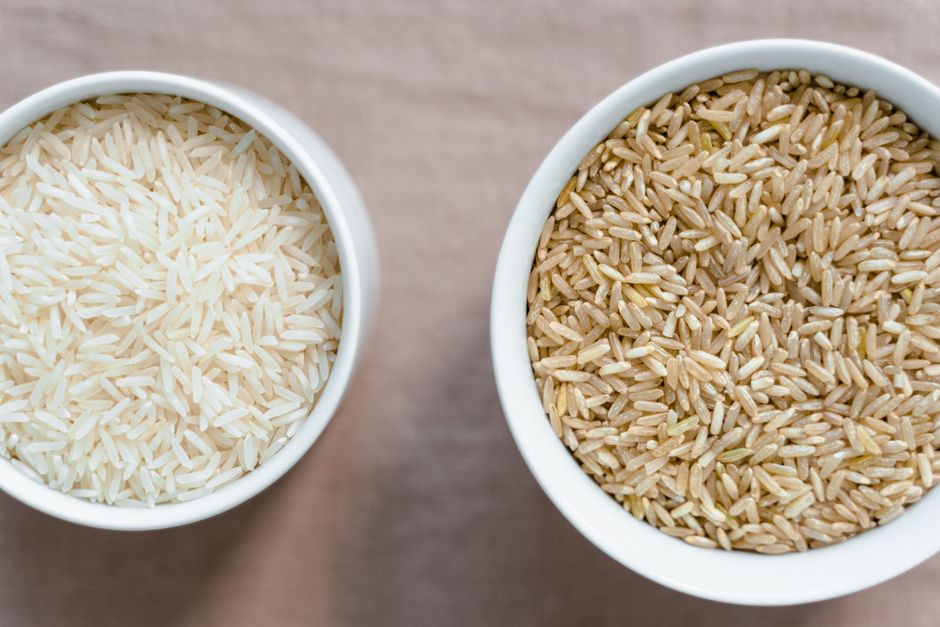
Dry rice is one of the most shelf-stable foods you can keep in your pantry. When stored properly in a cool, dry place, uncooked white rice can last indefinitely, while uncooked brown rice lasts about 6 months due to its higher oil content. The timeline shifts dramatically once the rice is cooked—cooked rice lasts only 3 to 4 days in the refrigerator.
How Long Does Dry Rice Last in the Pantry?
White rice, including jasmine, basmati, and long-grain varieties, has a remarkably long shelf life. Because the bran and germ are removed during milling, there is little oil left to go rancid. This is why white rice can remain safe to eat for years, and in many cases, indefinitely.
Brown rice is a different story. It retains the bran layer, which contains natural oils. Those oils can turn rancid over time, giving the rice an unpleasant smell and bitter taste. While rancid brown rice is not dangerous to eat, it is not pleasant. Most food safety experts recommend using brown rice within 6 months of purchase.
The United States Department of Agriculture notes that properly stored white rice can be kept indefinitely. The key phrase here is “properly stored.” Rice needs protection from moisture, oxygen, heat, and pests.
How Long Does Cooked Rice Last in the Fridge?
Cooked rice is a high-moisture food, which makes it a prime environment for bacterial growth. The USDA and the FDA both state that cooked rice should be refrigerated and consumed within 3 to 4 days. This applies to all varieties of rice, whether white, brown, jasmine, or basmati.
The danger comes from a bacterium called Bacillus cereus. This bacteria forms spores that survive the cooking process. If cooked rice sits at room temperature, those spores can multiply and produce toxins that cause food poisoning. The longer rice sits out, the higher the risk.
Do not leave cooked rice on the counter for more than 2 hours. If the room is warmer than 90°F, cut that time down to 1 hour. Refrigerating rice promptly slows bacterial growth significantly.
Does Dry Rice Expire or Just Lose Quality?
Dry white rice does not truly expire in the food safety sense. It loses quality long before it becomes unsafe. Over several years, white rice can develop a stale flavor and its texture may change. It may also absorb odors from the pantry, which alters the taste.
Brown rice, however, can go bad. The oils in the bran oxidize over time. You will know this has happened when the rice smells like old paint, play dough, or has a noticeably bitter or sour odor. At that point, the rice is rancid and should be discarded.
Neither white nor brown rice should be eaten if you see signs of mold, insects, or unusual discoloration. These are clear indicators that something has gone wrong with storage.





Does Cooked Rice Freeze Well?
Yes. Freezing is the best way to extend the life of cooked rice. Cooked rice freezes exceptionally well because it is low in moisture compared to other cooked grains. Properly frozen rice can last 3 to 6 months in the freezer without significant quality loss.
To freeze rice, spread it on a baking sheet to cool completely. Once cool, portion it into freezer-safe bags or containers. Press out as much air as possible before sealing. When you are ready to use it, thaw it in the refrigerator overnight or reheat it directly from frozen in a microwave or skillet.
Reheated rice should be steaming hot throughout. Do not reheat rice more than once. Each reheating cycle increases the risk of bacterial growth if the rice is not handled properly.
How to Store Dry Rice for Maximum Shelf Life
The enemy of dry rice is moisture, oxygen, heat, and pests. Address all four and your rice will last far longer than the package suggests.
- Keep rice in an airtight container. Glass jars or food-grade plastic containers with tight lids work well.
- Store in a cool, dark place. A pantry or cabinet away from the stove and oven is ideal.
- Keep rice off the floor and away from walls. This reduces the chance of pantry pests reaching it.
- Consider oxygen absorbers for long-term storage. These small packets remove oxygen from the container, which prevents oxidation and keeps pests from surviving.
Some people store rice in the freezer to kill any insect eggs that may be present. This is an effective method. Freeze the rice for 48 hours upon bringing it home, then transfer it to airtight containers for pantry storage.
Mylar bags with oxygen absorbers are the gold standard for long-term emergency food storage. Rice stored this way can easily last 10 to 30 years. For everyday use, a simple airtight jar in the pantry is sufficient.
How Can You Tell If Dry Rice Has Gone Bad?
Your senses are the best tool for evaluating dry rice. Look for discoloration, mold, or tiny holes in the grains. Holes indicate insect activity. Smell the rice—a sour, musty, or rancid odor means it has spoiled. If the rice looks and smells normal, it is almost certainly safe to eat.
For brown rice, the rancid smell is unmistakable. It has a sharp, bitter, almost chemical-like odor. Once you have smelled rancid brown rice, you will not forget it. Trust that smell and discard the rice.
If you see webbing, small moths, or beetles in the container, throw the entire batch away. Wash the container thoroughly with hot, soapy water before using it again. Pantry pests can lay eggs in the crevices of containers, so cleaning is essential.
Does Cooking Rice Kill All Bacteria?
Cooking rice kills active bacteria, but it does not kill all spores. Bacillus cereus spores can survive boiling temperatures. This is why handling cooked rice correctly matters so much.
When cooked rice is left at room temperature, the spores germinate and the bacteria multiply rapidly. They produce a toxin that causes vomiting and diarrhea. These symptoms typically appear within 1 to 6 hours of eating contaminated rice.
The toxin itself is heat-stable. Reheating contaminated rice will not destroy the toxin. This is why the rule is simple: refrigerate cooked rice within 2 hours and eat it within 4 days. Do not try to “save” rice that has been sitting out too long by reheating it.
Frequently Asked Questions
Can you eat rice that is 2 years old?
White rice that is 2 years old is safe to eat if it was stored properly in an airtight container in a cool, dry place. Brown rice that old is likely rancid and should be discarded.
Does dry rice go bad if unopened?
Unopened white rice can last indefinitely when stored properly, while unopened brown rice typically lasts about 6 months. The packaging matters less than the storage environment—heat, moisture, and oxygen all shorten shelf life.
How long is rice good after the expiration date?
White rice is safe to eat for years past its best-by date if stored correctly. Brown rice may only last a few months past the date before the oils turn rancid.
Can you get food poisoning from old dry rice?
Old dry rice that looks and smells normal is very unlikely to cause food poisoning. The greater risk comes from cooked rice left at room temperature, which can harbor Bacillus cereus bacteria.
