
If you live with neuropathy, you have probably heard a dozen different claims about what helps and what does not. The honest answer is that no single thing works for everyone. But research points to a few approaches that genuinely help manage symptoms. The most effective strategies combine smart lifestyle changes, targeted supplements, and working closely with a doctor to find what fits your specific nerve damage.
What Causes Neuropathy in the First Place?
Neuropathy is not one disease. It is a condition where nerves are damaged and stop working normally. The most common cause in the US is type 2 diabetes. About half of people with diabetes develop some form of nerve damage over time.
Other causes include chemotherapy, alcohol use disorder, autoimmune diseases like lupus or rheumatoid arthritis, vitamin B deficiencies, and physical injuries that compress nerves. Sometimes doctors never find a clear cause. That is called idiopathic neuropathy, and it is frustratingly common.
Understanding your specific cause matters because it changes what treatments are worth trying. Diabetic neuropathy responds differently to certain supplements than chemotherapy-induced neuropathy does. If you do not know your cause, ask your doctor to run basic blood work and a nerve conduction study before spending money on supplements or treatments.
What Does Research Say About Supplements Good for Neuropathy?
Several supplements have real evidence behind them. But you need to know which ones and how much to take.
Alpha-lipoic acid is one of the most studied supplements for neuropathy. Research shows it can reduce pain, burning, and numbness in people with diabetic neuropathy. The typical dose is 600 mg per day. Some studies suggest intravenous delivery works better than oral, but oral is still helpful for many people. The main side effect is stomach upset at higher doses.
Benfotiamine is a fat-soluble form of vitamin B1. Standard B1 does not absorb well into nerve tissue. Benfotiamine does. Some studies suggest it helps with diabetic neuropathy pain and may slow progression. It is widely used in Europe and becoming more common in the US.
Methylcobalamin is the active form of vitamin B12. Many B12 supplements use cyanocobalamin, which your body has to convert. Methylcobalamin skips that step. For people with B12 deficiency, correcting it can reverse early neuropathy symptoms entirely. Even for people without deficiency, some research suggests high-dose methylcobalamin helps nerve repair.
Acetyl-L-carnitine shows mixed results. Some studies found it reduces pain and improves nerve regeneration. Others found it made symptoms worse in chemotherapy-induced neuropathy. Current research suggests it may help more in diabetic neuropathy than other types. Start with a low dose if you try it.
Which Lifestyle Changes Are Actually Good for Neuropathy?
Supplements only work if your body has a decent foundation. Lifestyle changes matter more than most people realize.
Blood sugar control is the single most effective thing for diabetic neuropathy. A study in the New England Journal of Medicine found that intensive glucose control reduced neuropathy risk by 60% in people with type 1 diabetes. For type 2 diabetes, the benefit is smaller but still significant. Keeping your A1C under 7% is the goal most doctors recommend.
Exercise improves blood flow to nerves. Walking, swimming, or cycling for 30 minutes most days can reduce pain and improve sensation in your feet. A 2012 study in Diabetes Care found that supervised exercise training improved nerve function in people with diabetic neuropathy. Even gentle movement helps. Sitting for hours makes nerve symptoms worse.
Foot care is not glamorous but it prevents serious complications. Check your feet daily for cuts, blisters, or redness. Wear socks that do not compress your ankles. Avoid walking barefoot even indoors. Nerve damage means you may not feel an injury until it becomes infected.
Alcohol reduction matters if you drink. Alcohol is directly toxic to nerves. Cutting back or stopping can stop neuropathy from getting worse. Some people see partial improvement after several months of sobriety.





What Medications Are Good for Neuropathy Pain?
Over-the-counter pain relievers like ibuprofen or acetaminophen rarely help nerve pain. Neuropathic pain works differently than muscle or joint pain. It comes from misfiring nerves, not inflamed tissue.
Doctors usually prescribe one of three medication classes for neuropathy pain:
- Gabapentin and pregabalin are anticonvulsants that calm overactive nerves. They work well for many people but cause drowsiness and dizziness. Starting at a low dose and increasing slowly helps manage side effects.
- Amitriptyline, nortriptyline, and duloxetine are antidepressants that also block pain signals. They work at lower doses than what is used for depression. Dry mouth and constipation are common side effects. Duloxetine is FDA-approved specifically for diabetic neuropathy.
- Lidocaine patches numb the area where you apply them. They work best for localized pain, not widespread neuropathy. They have very few side effects because almost nothing enters your bloodstream.
No medication works for everyone. It is normal to try two or three before finding one that helps. If the first drug does not work or causes bad side effects, tell your doctor. Do not stop taking it without guidance because withdrawal can be uncomfortable.
How Do Natural Approaches Compare to Medications?
People often ask whether supplements or lifestyle changes can replace medications. The short answer is no for most people. But they can reduce how much medication you need.
Here is a comparison of common approaches:
| Approach | Evidence Level | Best For | Typical Timeline |
|---|---|---|---|
| Alpha-lipoic acid | Strong for diabetic neuropathy | Pain, burning, numbness | 4-8 weeks |
| Gabapentin | Strong for various neuropathies | Shooting pain, tingling | 1-2 weeks |
| Exercise | Moderate | Improving circulation, preventing progression | 3-6 months |
| Acupuncture | Mixed | Some people report pain relief | Varies widely |
| Capsaicin cream | Moderate | Localized pain | 2-4 weeks |
| Diet changes | Moderate | Supporting overall nerve health | Ongoing |
Notice that nothing on this list promises a cure. That is because as of 2026, there is no clinical evidence that any treatment reverses established nerve damage in most types of neuropathy. The goal is symptom management and preventing progression. If something claims to cure neuropathy, that is a red flag.
What Should You Avoid When Managing Neuropathy?
The supplement industry is largely unregulated. Some products labeled as good for neuropathy contain ingredients that interfere with medications or cause side effects.
Avoid high-dose vitamin B6. Pyridoxine toxicity actually causes neuropathy. Some supplements contain 50 mg or more of B6 per serving. The safe upper limit is 100 mg per day, and many people get enough from food. Stick to the active B6 form, pyridoxal-5-phosphate, if you take it at all.
Be careful with alpha-lipoic acid if you have thyroid problems. It can interfere with thyroid medication absorption. Take it at least four hours apart from thyroid meds.
Skip “nerve repair” formulas that list dozens of ingredients. More is not better. A supplement with 20 herbs and vitamins is harder to study and more likely to cause interactions. Stick to single-ingredient products from reputable brands that third-party test their products.
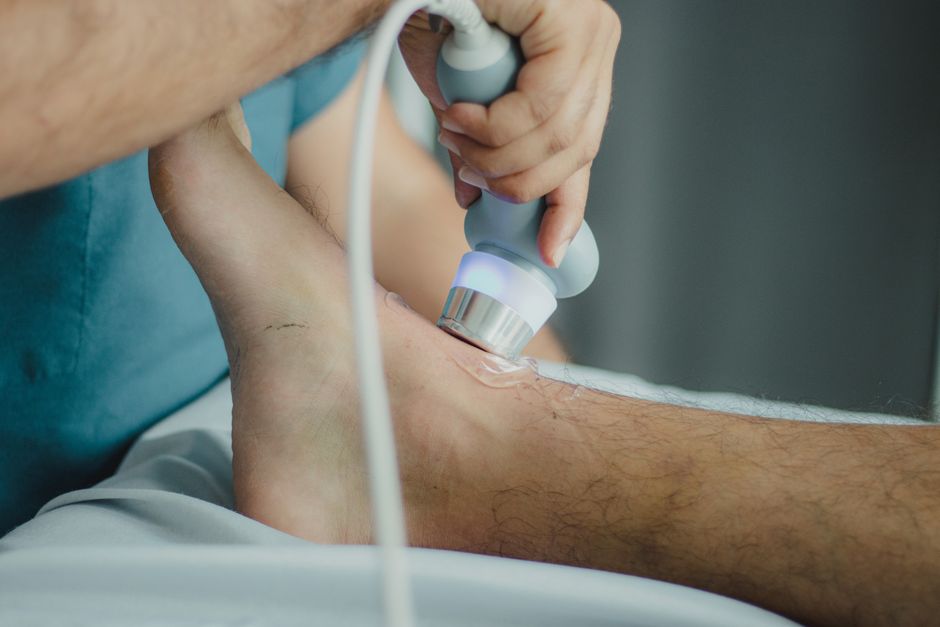
Do not fall for expensive laser or electrical stimulation devices sold directly to consumers. Some have real research. Most do not. If a device claims to regenerate nerves without FDA clearance, it is marketing, not medicine.
Common Misconceptions About Neuropathy Treatment
One of the most persistent myths is that neuropathy always gets worse over time. That is not true for everyone. If you address the underlying cause, especially with diabetic neuropathy, progression can slow significantly or stop. Some people even regain partial sensation.
Another myth is that only prescription medications work. Research clearly shows that lifestyle changes, especially exercise and blood sugar control, have real effects. They are not placebo. They change how nerves function at a cellular level.
The biggest misconception is that you have to accept the pain. You do not. Many people live with neuropathy for years before finding a treatment that helps. That does not mean nothing works. It means you have not found the right combination yet. Keep working with your doctor. Keep trying evidence-based options. Give each one enough time to work before giving up on it.
Frequently Asked Questions About good for neuropathy
Is alpha-lipoic acid good for neuropathy?
Yes, research shows it reduces pain and burning in diabetic neuropathy. The standard dose is 600 mg per day taken on an empty stomach.
Can vitamin B12 reverse neuropathy?
Only if your neuropathy is caused by B12 deficiency. In that case, correcting the deficiency can reverse early symptoms completely.
How long does it take for supplements to work for neuropathy?
Most supplements need 4 to 8 weeks of consistent use before you notice a difference. Give each one at least two months before deciding it does not work.
What is the most effective treatment for neuropathy?
For diabetic neuropathy, strict blood sugar control is the most effective treatment. For other types, it depends on the cause and your individual response to medications and lifestyle changes.
