
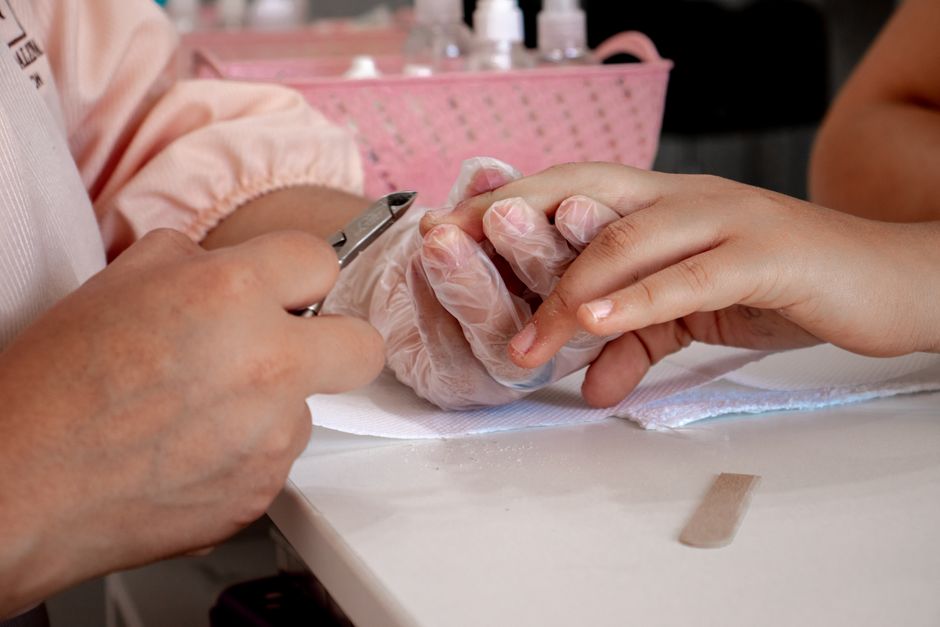
If you are dyeing hair at home, nitrile gloves are the right choice. Latex gloves can trigger allergic reactions, and vinyl gloves tear too easily to keep dye off your skin. Nitrile gloves are strong, chemical-resistant, and safe for most people, making them the clear winner for hair dye application.
Why Nitrile Gloves Are the Best Choice for Hair Dye
Hair dye contains chemicals that can stain skin and cause irritation. Nitrile gloves provide a reliable barrier against these chemicals. They are made from synthetic rubber, which holds up well against the solvents and dyes found in permanent and semi-permanent hair color.
Nitrile gloves fit snugly. This snug fit gives you better control when sectioning hair and applying color. You can feel what you are doing, which matters when you are trying to paint dye evenly through strands without missing spots.
Most salon professionals use nitrile gloves for this exact reason. The gloves do not break down when exposed to hair dye chemicals, so they protect your hands for the entire application process.
What About Latex Gloves?
Latex gloves were the standard for years. They offer good dexterity and fit. But latex has a serious downside: allergic reactions.
Natural rubber latex contains proteins that can cause skin irritation or more severe allergic responses. Some people develop contact dermatitis after using latex gloves. This shows up as red, itchy, or blistered skin. If you have any history of allergic reactions to rubber products, latex gloves are not safe for you to use.
Even if you have never reacted to latex before, repeated exposure can lead to sensitization. This means you can develop an allergy after years of use. Nitrile gloves eliminate this risk entirely because they contain no natural rubber proteins.
Why Vinyl Gloves Fail for Hair Dye
Vinyl gloves are cheap. That is their main advantage. But they are not suitable for hair dye application.
Vinyl is a thin plastic material. It does not stretch or conform to your hands the way nitrile does. The gloves feel loose and baggy, which makes precise work difficult.
More importantly, vinyl gloves tear easily. When you are mixing dye, squeezing bottles, or combing through hair, the gloves can rip. Once a glove tears, dye gets on your hands immediately. This defeats the entire purpose of wearing gloves.
Vinyl also provides less chemical resistance than nitrile. Some hair dye ingredients can break down vinyl over time, especially if you are working with bleach or lightener.





How to Choose the Right Nitrile Glove Size and Thickness
Nitrile gloves come in sizes ranging from small to extra-large. Choose a size that fits snugly without being tight. The glove should not feel restrictive, but it also should not have loose material at the fingertips.
To find your size, measure around your palm just below your knuckles. Do not include your thumb. Compare this measurement to the sizing chart on the glove box. Most people wear medium or large.
Glove thickness matters too. Thicker gloves offer more protection but reduce dexterity. For hair dye, a medium-weight glove works well. You want enough thickness to resist tearing but not so much that you cannot feel the hair strands.
Powdered and powder-free nitrile gloves are both available. Powdered gloves are easier to slide on and off. Powder-free gloves avoid leaving powder residue on hair or skin. For hair dye work, powder-free is the better option because powder can interfere with color absorption.
Can You Use Disposable Gloves More Than Once?
No. Disposable nitrile gloves are meant for single use. Remove them after you finish applying the dye and throw them away.
Reusing gloves can transfer dye or chemicals to other surfaces. It can also spread bacteria. Even if the gloves look clean, microscopic particles can remain on the surface.
If you need to step away during the dyeing process, remove the gloves and wash your hands. Put on a fresh pair when you return. This prevents contamination and keeps the dye from drying on the glove surface.
Are There Any Downsides to Nitrile Gloves?
Nitrile gloves cost more than vinyl gloves. The price difference is small for a single box, but it adds up if you dye your hair frequently.
Some people find nitrile gloves slightly less breathable than latex. Your hands may sweat more during longer dyeing sessions. This is uncomfortable but not harmful. You can manage this by working in a well-ventilated area and taking breaks if needed.
People with severe allergic contact dermatitis to certain rubber accelerators may still react to nitrile gloves. This is rare. If you have a known sensitivity to rubber chemicals, look for accelerator-free nitrile gloves or consult a dermatologist before use.
What Gloves To Use For Hair Dye Nitrile Wins Summary
Nitrile gloves are the safest and most practical option for applying hair dye at home. They protect against chemicals, resist tearing, and fit well enough for precise application.
Latex gloves carry allergy risks that are not worth taking. Vinyl gloves are too fragile for the job. Nitrile gloves balance protection, comfort, and reliability better than either alternative.
Keep a box of powder-free nitrile gloves in your bathroom if you color your hair regularly. They are inexpensive insurance against stained hands and skin irritation.
Frequently Asked Questions
Can I use kitchen gloves for hair dye?
Kitchen gloves are not designed for chemical resistance and can be too bulky for precise work. Nitrile gloves are the better choice because they fit snugly and resist hair dye chemicals.
Are black nitrile gloves better than blue ones for hair dye?
The color of nitrile gloves does not affect their protective properties. Blue gloves make it easier to see dye stains, which helps you notice if a glove has torn.
How many pairs of nitrile gloves do I need for one hair dye application?
Plan for at least two pairs per application. You will need a fresh pair if you take a break, remove your gloves, or tear one during the process.
