
An ingrown hair happens when a hair curls back and grows into the skin instead of rising out of the follicle. To bring it to the surface, you need to soften the skin and gently encourage the hair tip to break through. The safest approach is to apply a warm compress for 10 to 15 minutes, which softens the skin and opens the pore. After that, use a sterile needle or tweezers to gently lift the visible loop of hair if it is close to the surface. Do not dig into the skin. If the hair is not visible or the area is painful, stop and let the skin heal on its own.
What Causes an Ingrown Hair in the First Place?
Ingrown hairs are most common in areas where hair is coarse or curly. The beard area, neck, legs, and bikini line are typical spots. When a hair is cut at a sharp angle, it can develop a pointed tip. That tip can pierce the skin just outside the follicle and continue growing underneath it. Alternatively, the hair may never break through the skin and simply curl back into the follicle.
Shaving, waxing, and tweezing all increase the risk. Tight clothing can also press hairs back toward the skin. Some people are simply more prone to ingrown hairs because of their hair texture. Curly hair has a natural tendency to curl back into the skin after it emerges.
The medical term for this condition is pseudofolliculitis barbae when it affects the beard area. On other parts of the body, it is often called folliculitis. Both terms describe the same basic problem: a hair trapped under the skin causing inflammation.
How To Bring An Ingrown Hair To The Surface Safely
The goal is to free the trapped hair without damaging the skin or causing an infection. Start with a warm compress. Soak a clean washcloth in warm water, wring it out, and hold it against the area for 10 to 15 minutes. The warmth softens the outer layer of skin and makes the hair tip easier to see. It also helps reduce swelling and pain.
After the compress, wash your hands thoroughly. Clean the area with rubbing alcohol or an antiseptic wipe. If you can see a loop of hair just under the skin, you can try to lift it. Use a sterile needle or a pair of tweezers that have been wiped with alcohol. Gently slide the needle under the hair loop and lift it upward. The goal is to free the hair from the skin, not to pull it out completely.
If you cannot see the hair clearly, do not dig. Digging can push bacteria deeper into the skin and turn a minor irritation into an infection. It can also cause scarring. Instead, repeat the warm compress once or twice a day. In many cases, the hair will work its way to the surface on its own within a few days.
Once the hair tip is exposed, you can leave it alone. It will often continue to grow out normally. You can also gently pull the loop free with tweezers if it lifts easily. Never yank the hair out. Pulling it out completely can cause the follicle to become inflamed and increase the chance of another ingrown hair forming.
Home Remedies That Actually Help
Some home treatments genuinely support the process of bringing an ingrown hair to the surface. Others are popular but have little evidence behind them. Here is what is worth trying.
A warm compress is the most reliable method. It is simple, safe, and effective for most people. You can do this several times a day if needed. The heat softens the skin and encourages the hair to break through naturally.
Exfoliating gently can help. Use a soft washcloth or a mild sugar scrub in circular motions for about 30 seconds. This removes dead skin cells that may be trapping the hair. Do not scrub aggressively. Over-exfoliating can irritate the skin and make the problem worse.
Tea tree oil has natural antibacterial properties. Some research suggests it may help reduce inflammation and prevent infection in minor skin irritations. Dilute it with a carrier oil like jojoba or coconut oil before applying. Use one drop of tea tree oil to about one teaspoon of carrier oil. Apply it with a cotton swab once or twice daily. If you have sensitive skin, test it on a small area first.
Aloe vera gel can soothe irritated skin. It does not directly bring the hair to the surface, but it can reduce redness and discomfort while the skin heals. Choose a product with a high percentage of pure aloe vera.





What Not To Do
Some common advice is actually harmful. Avoid squeezing an ingrown hair like a pimple. Squeezing can rupture the follicle and push bacteria deeper into the skin. This increases the risk of infection and can leave a permanent dark spot or scar.
Do not use a pin or needle that has not been sterilized. A dirty needle can introduce bacteria directly into the skin. If you are going to use a needle, wipe it with rubbing alcohol first and let it dry.
Avoid repeatedly picking at the area. Each time you pick, you create a fresh opening in the skin. That opening is an invitation for bacteria. It also resets the healing process, so the area stays red and irritated longer.
Do not try to dig out a hair that is deep under the skin. If the hair is not visible at the surface, it is not ready to be removed. Digging can cause more damage than the ingrown hair itself.
When To See A Doctor
Most ingrown hairs resolve on their own or with home care. But some situations require medical attention. If the area becomes increasingly painful, swollen, or warm to the touch, an infection may be developing. Pus or yellow discharge is another warning sign.
See a doctor if you have repeated ingrown hairs in the same spot that do not improve with home care. A dermatologist can remove a stubborn ingrown hair with a sterile instrument. They can also prescribe topical antibiotics if an infection is present.
People with diabetes or weakened immune systems should be more cautious. Skin infections can become serious quickly in these populations. If you have one of these conditions and develop an ingrown hair that looks infected, contact a healthcare provider rather than waiting.
In rare cases, a persistent bump that looks like an ingrown hair may actually be something else. Skin cysts, moles, or even certain types of skin cancer can resemble an ingrown hair. If a bump does not improve after a few weeks of home care, or if it changes in size, shape, or color, have it evaluated by a professional.
How To Prevent Ingrown Hairs
Prevention is more effective than treatment. The main strategy is to change how you remove hair.
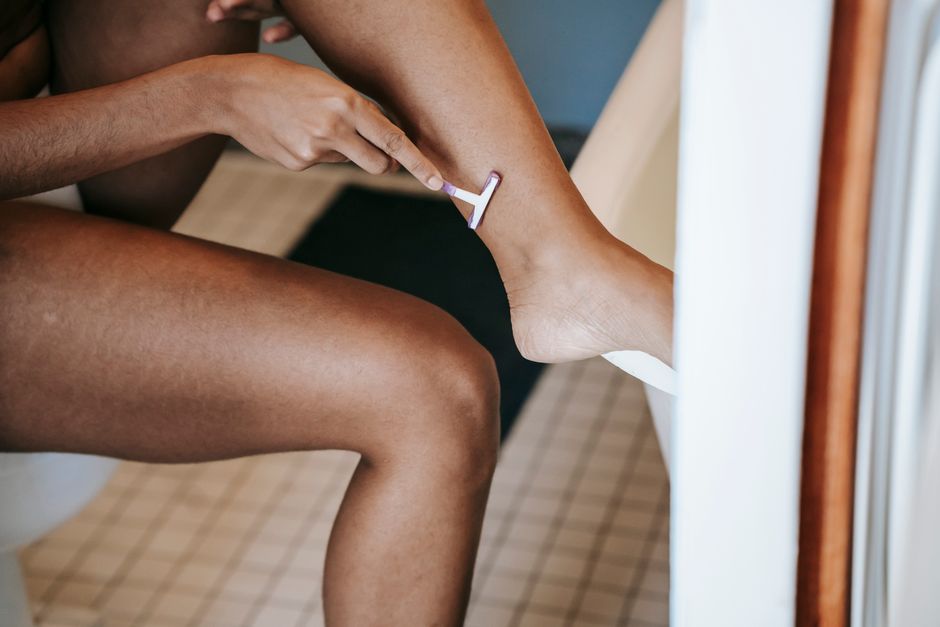
If you shave, prepare the skin first. Shave after a warm shower or apply a warm towel for a few minutes. This softens the hair and opens the pores. Use a sharp, single-blade razor. Multi-blade razors pull the hair up and cut it below the skin line, which increases the chance of it growing back inward. Shave in the direction of hair growth rather than against it. Rinse the razor after every stroke.
Consider using an electric razor or clippers instead of a manual razor. These leave a slightly longer hair length, which makes it harder for the hair to curl back into the skin. Some people find that laser hair removal is the most effective long-term solution. It destroys the hair follicle so the hair cannot grow back. This is a medical procedure that requires multiple sessions and can be expensive.
Moisturize the skin after shaving. Dry skin can trap hairs more easily. A fragrance-free moisturizer applied within a few minutes of shaving helps keep the skin supple.
Exfoliate regularly between shaving sessions. This removes dead skin cells that can block hair from emerging. But keep it gentle. Once or twice a week is usually enough.
How Long Does It Take For An Ingrown Hair To Surface?
The timeline varies depending on the person and the location. For a mild ingrown hair that is close to the surface, the hair may break through within a few days of regular warm compresses. For deeper ingrown hairs, it can take a week or more.
If the hair is deeply embedded, it may never surface on its own. Instead, the body will eventually treat it as a foreign object and break it down. This process can take several weeks. The inflammation may persist during this time, but it should gradually subside.
If you have been using warm compresses for a week and see no improvement, or if the area is getting worse, it is time to seek medical advice. A doctor can remove the hair safely and quickly.
Frequently Asked Questions
Can I pop an ingrown hair like a pimple?
No. Squeezing can push bacteria deeper into the skin and cause infection or scarring. Use a warm compress and gentle lifting instead.
Is it safe to use a needle to remove an ingrown hair?
Yes, if the hair is visible near the surface and the needle is sterilized with rubbing alcohol. Never dig for a hair that is not visible.
How long does an ingrown hair take to heal?
Most ingrown hairs heal within one to two weeks with proper care. Deeper ones can take longer, especially if infection develops.
Should I pull the hair out once it is exposed?
No. Gently lift the loop free with sterilized tweezers, but do not pull the hair out completely. Pulling it out increases the chance of recurrence.
