
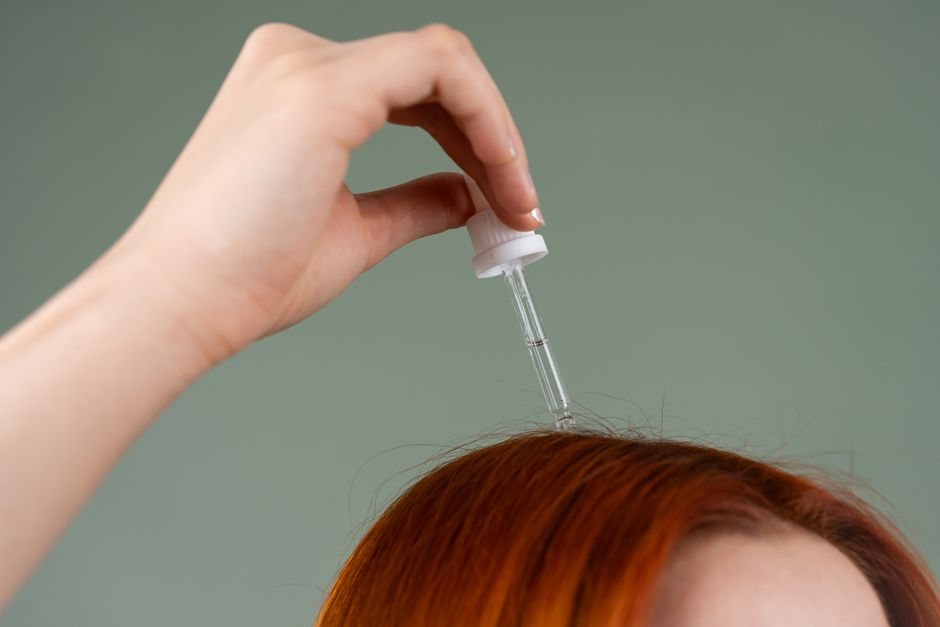
Gray hair is a normal part of aging, but it can also be a source of frustration. Hair turns gray when the pigment-producing cells in the hair follicle slow down or stop working. In most cases, this process is permanent, but certain medical conditions can cause reversible gray hair. Here is what science says about why hair changes color and what you can actually do about it.
What Makes Hair Turn Gray And Can It Be Reversed?
Hair gets its color from melanin, the same pigment that colors skin. Specialized cells called melanocytes inject melanin into the hair shaft as it grows. Over time, these cells become less active and produce less pigment. Eventually, they stop producing pigment entirely, and the hair grows in without color — which appears gray, white, or silver.
Once melanocytes stop working, they rarely restart. The gray hair you see today is permanent. However, there are exceptions. Some medical conditions and nutrient deficiencies can cause premature graying that improves when the underlying issue is treated. Reversal is possible only in those cases, not in normal age-related graying.
What Causes Hair Follicles to Stop Producing Pigment?
Aging is the most common cause, but it is not the only one. Research has identified several factors that speed up the loss of pigment in hair follicles.
Oxidative stress plays a major role. The hair follicle produces small amounts of hydrogen peroxide as a normal byproduct of cell activity. In young hair, an enzyme called catalase breaks this hydrogen peroxide down into water and oxygen. As we age, catalase production declines. Hydrogen peroxide builds up and damages the melanocytes. This damage is largely irreversible.
Genetics also determine when you go gray. If your parents grayed early, you likely will too. Ethnic background matters as well. White people typically gray first, often in their mid-30s. Asian people tend to gray in their late 30s. Black people usually gray in their mid-40s. These are averages, not rules.
Medical conditions can cause graying at any age. Vitiligo, an autoimmune condition, destroys pigment cells in patches of skin and hair. Alopecia areata, another autoimmune condition, can cause sudden hair loss that sometimes grows back gray or white. Thyroid disorders have been linked to premature graying in some studies.
Can Stress Turn Hair Gray?
Yes, but the story is more complicated than the popular myth. A 2020 study from Columbia University found that stress can trigger graying in some people. The researchers also observed something surprising — when stress was removed, some hair regained its original color.
The mechanism involves the sympathetic nervous system. Stress activates nerve endings in the hair follicle that release norepinephrine. This chemical causes the melanocyte stem cells to divide too quickly, depleting the reserve supply. Once the stem cells are gone, they cannot be replaced.
However, the reversal seen in the study was partial and temporary. It only happened in people whose graying was recent and stress-related. It does not apply to hair that has been gray for years or to age-related graying. The study was small, and researchers note that more work is needed to understand how often this reversal occurs.





Can Vitamin Deficiencies Cause Gray Hair?
Some nutrient deficiencies have been linked to premature graying. The evidence is strongest for vitamin B12 deficiency. Several studies have found that people with low B12 levels are more likely to gray early. In some cases, correcting the deficiency with supplements restores hair color. This is not guaranteed, and it does not work for everyone.
Other nutrients have weaker evidence. Low levels of copper, iron, and vitamin D have been associated with premature graying in some observational studies. These studies show a link, not proof of cause. No large clinical trial has confirmed that supplementing these nutrients reverses gray hair.
If you are concerned about a deficiency, a blood test is the only reliable way to know. Taking high-dose supplements without a confirmed deficiency can be wasteful and, in some cases, harmful. Excess iron and copper can accumulate in the body and cause organ damage.
Do Any Products Really Reverse Gray Hair?
No product on the market has been proven to restore natural hair color. You will see supplements, serums, and shampoos claiming otherwise. None of these claims are supported by solid clinical evidence.
Some supplements contain ingredients like catalase, the enzyme that breaks down hydrogen peroxide. The logic seems reasonable — if hydrogen peroxide damages melanocytes, maybe removing it helps. But no large human trial has shown that taking catalase supplements restores hair color. The enzyme is a protein, and most proteins are broken down in the digestive tract before they reach the hair follicle.
Topical products face a similar problem. The hair follicle sits below the skin surface. Getting a molecule deep enough to affect melanocytes is difficult, and no topical product has demonstrated this in a well-designed study.
Hair dye remains the only reliable way to change hair color. It is safe, widely available, and works immediately. If you want your original color back, that is the option with proven results.
Is Gray Hair Reversible in Any Situation?
Yes, but only in specific, limited circumstances. The table below summarizes what is known about gray hair reversal.
| Situation | Can Color Return? | Evidence Strength |
|---|---|---|
| Normal age-related graying | No | Strong — consistent across studies |
| Stress-related graying | Sometimes, partially | Limited — one small study showed reversal |
| Vitamin B12 deficiency | Sometimes | Moderate — case reports and small studies |
| Thyroid disease treatment | Rarely | Weak — case reports only |
| Alopecia areata regrowth | Sometimes, but often white | Moderate — documented in clinical practice |
The common thread is that reversal only happens when the cause is treatable. If a deficiency caused the graying, fixing the deficiency may help. If stress caused it, removing the stress may help. If aging caused it, nothing will bring the color back.
What Can You Do About Gray Hair?
If you want to slow the process, the evidence points to basic health habits. Do not smoke. Smoking has been consistently linked to earlier graying in multiple studies. Eating a balanced diet ensures you are not missing nutrients that support pigment production. Managing chronic stress is good for your overall health, even if its effect on hair color is uncertain.
There is no proven way to prevent age-related graying. No supplement, diet, or lifestyle change has been shown to stop melanocytes from aging. Anyone telling you otherwise is selling something.
If you notice sudden or patchy graying, see a doctor. Rapid changes in hair color can signal an underlying medical condition like thyroid disease, vitiligo, or alopecia areata. A doctor can run blood tests to check for treatable causes. This is especially important if you are under 35 and graying quickly.
Frequently Asked Questions
Can gray hair turn back to its original color?
In rare cases, yes. Gray hair caused by stress or a treatable nutrient deficiency can sometimes regain color when the cause is corrected. Normal age-related graying is permanent.
Does plucking a gray hair make more grow back?
No. Plucking one hair does not affect the other follicles. It can damage the follicle and cause scarring, so it is better to cut gray hairs instead.
Do gray hair supplements work?
No supplement has been proven to restore hair color in a large clinical trial. Some may help if you have a confirmed nutrient deficiency, but they will not reverse normal graying.
At what age does hair usually turn gray?
It varies by ethnicity. White people often gray in their mid-30s, Asian people in their late 30s, and Black people in their mid-40s. Genetics play a large role in timing.
