
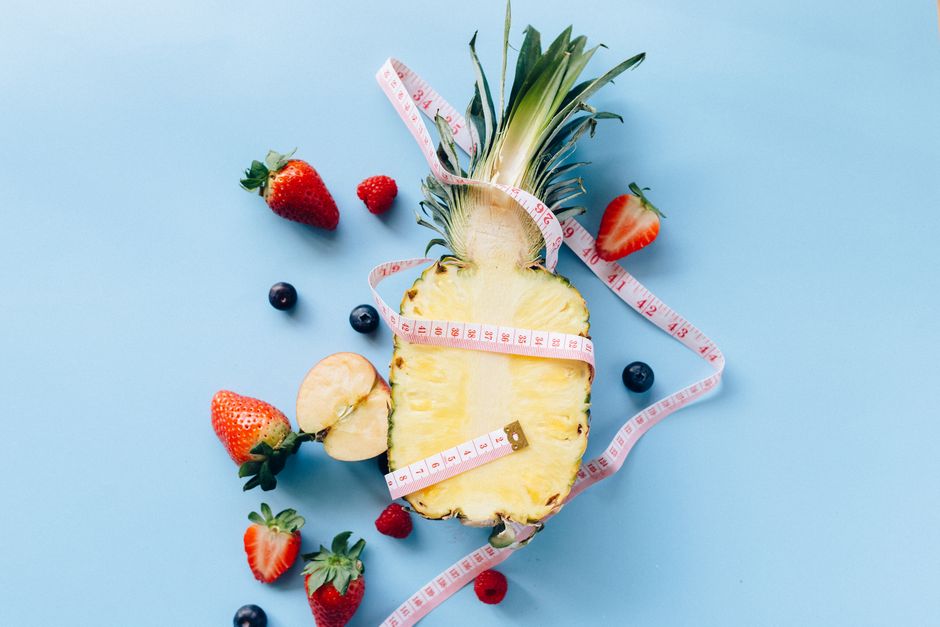
The idea that certain fruits can burn fat is appealing. Who would not want to eat a grapefruit and watch the weight fall off? The short answer is that no fruit burns fat directly. Fat burning is a biological process driven by a calorie deficit, not a specific food. However, some fruits have properties that can support fat loss by affecting metabolism, appetite, and blood sugar. This article explains what the science actually says about fruits and fat loss.
Can Certain Fruits Actually Burn Fat?
No fruit contains a compound that directly melts fat cells. That claim is not supported by any major health organization. The American Heart Association and the CDC both state that weight loss comes from burning more calories than you consume.
What fruits can do is support that process. They provide fiber, water, and nutrients that help you feel full. Some compounds in fruits may slightly increase the calories your body burns, but the effect is small. Research published in the journal Nutrients found that certain fruits can improve metabolic health, but they do not replace the need for a balanced diet.
What Does Research on Fruit and Fat Loss Show?
Studies have found that people who eat more whole fruits tend to have lower body weight. A 2019 review in Current Obesity Reports linked higher fruit intake to better weight management. The key factor is that fruits replace less healthy snacks and contribute fewer calories overall.
Some fruits show specific benefits. Grapefruit has been studied for its effect on insulin levels. One small study found that eating half a grapefruit before meals led to modest weight loss over 12 weeks. The effect was small, about 1.5 kilograms on average, and not all participants lost weight. The grapefruit did not burn fat. It may have helped by reducing appetite or improving blood sugar control.
Berries are another example. They are high in fiber and antioxidants. A study in the Journal of Nutrition found that eating berries with a high-carb meal reduced the insulin spike afterward. Lower insulin levels can help the body use fat for energy instead of storing it. This is not fat burning in the direct sense, but it creates a better environment for fat loss.
Which Fruits Have the Strongest Evidence for Weight Control?
No single fruit is a magic bullet. But some have more research behind them than others. The table below summarizes the fruits with the best evidence for supporting weight loss.
| Fruit | Key Property | What Research Shows |
|---|---|---|
| Grapefruit | May lower insulin response | Small weight loss in some studies, effects vary |
| Berries (blueberries, raspberries, strawberries) | High fiber, low sugar, rich in antioxidants | Reduced insulin spikes after meals, linked to lower body weight in observational studies |
| Apples | Pectin fiber, high water content | Increased fullness, reduced calorie intake at next meal in controlled trials |
| Avocado | Healthy monounsaturated fats, fiber | Improved satiety, better blood sugar control, not linked to weight gain despite high calories |
| Watermelon | Very high water content (92%), low calorie density | Increased fullness, reduced hunger in small studies |
The evidence for these fruits is not equal. Avocado and berries have the strongest backing from controlled studies. Watermelon and apples rely more on their physical properties of water and fiber rather than any unique compound. Grapefruit has the most dramatic claims but the weakest and most inconsistent evidence.





What About Green Tea and Other Fruit-Based Extracts?
You may have seen claims about green tea extract, acai berries, or mango extract burning fat. These are different from eating whole fruit. The extraction process concentrates certain compounds, often far beyond what you would get from the fruit itself.
Green tea extract contains caffeine and catechins. Some studies suggest it can increase calorie burning by a small amount, about 4-5%. This is a real but tiny effect. A review in the International Journal of Obesity found the average weight loss from green tea extract was less than 0.5 kilograms more than placebo. That is not enough to make a difference for most people.
Acai and mango extracts have even less evidence. Many studies are small, funded by supplement companies, or not replicated. The Federal Trade Commission has taken action against companies making false fat-burning claims for these products. As of 2026, no fruit extract has been proven to cause significant fat loss in large, independent clinical trials.
How Can Fruits Fit Into a Fat Loss Plan?
Fruits are not the enemy of fat loss. They are a tool. The best approach is to eat whole fruits, not juice or dried fruit. Whole fruits contain fiber, which slows digestion and helps you feel full. Juicing removes the fiber and concentrates the sugar. A glass of orange juice has about the same sugar as two whole oranges but none of the fiber.
Here are practical ways to use fruits for weight management:
- Eat fruit as a snack instead of processed options. An apple or a cup of berries can satisfy a sweet craving for about 100 calories.
- Add berries to oatmeal or yogurt. This adds fiber and volume without many calories.
- Use fruit to replace sugar in recipes. Mashed bananas or unsweetened applesauce can replace sugar in baking.
- Eat fruit whole and with the skin when possible. The skin contains additional fiber and nutrients.
- Pair fruit with protein or fat. An apple with peanut butter or berries with Greek yogurt helps stabilize blood sugar better than fruit alone.
The key is to not overeat fruit. A serving is typically one medium fruit or one cup of berries. Eating three bananas in one sitting provides about 300 calories and 50 grams of sugar. That can slow weight loss if you are not careful.
What Are Common Misconceptions About Fruits and Fat Loss?
Many viral claims about fruits are not backed by evidence. One common myth is that negative calorie foods exist. Celery and grapefruit are often listed as negative calorie foods, meaning you burn more calories digesting them than they contain. This is not true. The thermic effect of food is real, but it is small. You burn about 10-15% of the calories from a meal through digestion. A 50-calorie grapefruit would burn about 5-7 calories. That is not a deficit.
Another myth is that fruit sugar is different from added sugar. The sugar in fruit is chemically identical to table sugar. Fructose and glucose are the same molecules. The difference is that whole fruit comes with fiber, water, and nutrients that slow down absorption. Your body processes a whole orange differently than orange juice or candy. But eating excessive fruit can still contribute to weight gain.
Some people believe that eating fruit on an empty stomach burns fat. There is no evidence for this. The body digests food the same way regardless of what you ate before. The timing of fruit consumption does not affect fat burning in any meaningful way.
What to Avoid When Using Fruits for Weight Loss
Be careful with dried fruit. Dried fruit is concentrated sugar. A cup of grapes has about 60 calories. A cup of raisins, which are dried grapes, has about 400 calories. It is very easy to overeat dried fruit without realizing it.
Fruit juices are another trap. Even 100% fruit juice lacks fiber and has a high sugar load. A 12-ounce glass of orange juice has about 150 calories and 30 grams of sugar. That is the same sugar as a soda. The American Academy of Pediatrics recommends limiting juice for children, and the same advice applies to adults trying to lose weight.
Fruit smoothies from stores are also problematic. Many commercial smoothies contain multiple servings of fruit plus added sugar, yogurt, or milk. A single 20-ounce smoothie can have 400-600 calories. That is more than a meal for many people. Making your own smoothie at home with one serving of fruit, unsweetened liquid, and a protein source is a better option.
Frequently Asked Questions
Does grapefruit really burn belly fat?
No. Grapefruit does not target belly fat specifically. Some studies show modest weight loss from eating grapefruit, but the effect is small and inconsistent.
Can eating fruit at night make you gain weight?
No. Eating fruit at night does not cause weight gain. Total calories for the day matter more than the time you eat.
What fruit is best for weight loss?
Berries and apples have the strongest evidence for supporting weight loss due to their fiber content and low calorie density.
Is fruit sugar bad for weight loss?
Whole fruit sugar is not bad for weight loss when eaten in moderation. The fiber in whole fruit slows sugar absorption and helps control appetite.
