
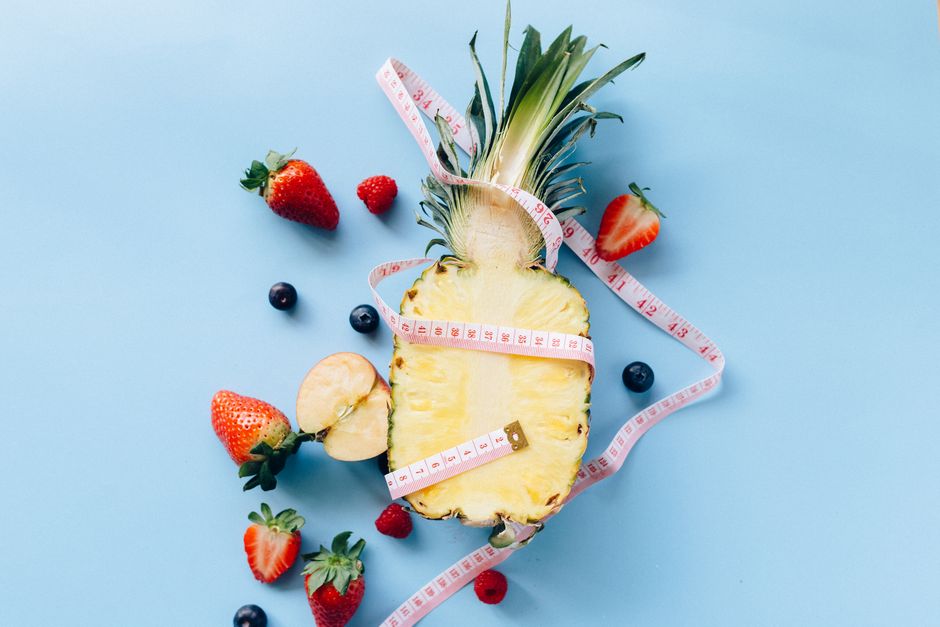
Some fruits are better than others for weight loss, but almost any fruit can help compared to processed snacks. The key is choosing fruits high in fiber and water while keeping portions sensible. Berries, apples, and citrus fruits consistently show the strongest evidence for supporting weight management.
How Do Fruits Help With Weight Loss?
Fruits help with weight loss mainly through three mechanisms. First, they have low energy density. This means you get a decent volume of food for relatively few calories. A cup of strawberries has about 50 calories. A small cookie has roughly the same but offers almost no volume or nutrition.
Second, the fiber in fruit slows digestion. This keeps you feeling full longer after a meal. Research shows that people who eat whole fruits tend to consume fewer calories later in the day compared to those who drink fruit juice or skip fruit entirely.
Third, fruits have high water content. Water adds weight to food without adding calories. This physical bulk triggers stretch receptors in your stomach that signal fullness to your brain. It is a biological hack that works better than trying to willpower your way through hunger.
The sugar in fruit is not the enemy here. Whole fruit comes with fiber, which changes how your body processes that sugar. Your liver handles fruit sugar differently than it handles added sugar from soda or candy. Current research suggests that the benefits of whole fruit far outweigh concerns about natural sugar for most people.
Which Fruits Are Best for Weight Loss?
Berries top the list for good reason. Blueberries, strawberries, raspberries, and blackberries are all low in calories and high in fiber. A cup of raspberries has 8 grams of fiber for only 64 calories. That is a remarkable fiber-to-calorie ratio. Some studies suggest that the polyphenols in berries may also help reduce fat storage, though the evidence is still building.
Apples are another strong choice. A medium apple has about 95 calories and 4 grams of fiber. The key here is eating the skin. The skin contains most of the fiber and a compound called ursolic acid, which some animal studies suggest may help increase calorie burn. One study found that people who ate an apple before a meal consumed 15 percent fewer calories overall.
Grapefruit has a long history in weight loss diets for a reason. Half a grapefruit has about 50 calories and is packed with vitamin C. Some research from the 2000s suggested that eating grapefruit before meals could modestly boost weight loss. The effect seems small but real. Just be aware that grapefruit can interact with certain medications, including statins and blood pressure drugs.
Watermelon is surprisingly effective. It is mostly water, so you can eat a decent amount for very few calories. A two-cup serving has only 80 calories. The downside is that it digests quickly, so you may feel hungry again sooner than with berries or apples. It works best as a hydrating snack between meals rather than as a meal replacement.
Oranges and other citrus fruits offer similar benefits to grapefruit without the medication interactions. One orange provides about 70 calories and 3 grams of fiber. The pectin fiber in citrus has been shown to help regulate appetite hormones.
What Does Research on Fruit and Weight Loss Show?
The evidence is consistent. People who eat more whole fruit tend to weigh less over time. A large study tracking over 120,000 adults for 24 years found that increased fruit intake was linked to modest weight loss over each four-year period. Berries, apples, and pears showed the strongest associations with weight loss.
Another study published in the journal Nutrition looked at what happened when people replaced processed snacks with fresh fruit. The fruit group lost more weight over 12 weeks compared to the control group. They also reported feeling less hungry and more satisfied with their meals.
The key finding across multiple studies is that whole fruit works better than fruit juice. Juice removes the fiber and concentrates the sugar. Drinking juice spikes your blood sugar quickly and does not trigger the same fullness signals. One study found that people who drank apple juice consumed more calories overall compared to those who ate whole apples.
There is also interesting research on fruit timing. Some studies suggest that eating fruit earlier in the day may be more beneficial for weight control. Your body processes carbohydrates more efficiently in the morning. But this is not a strong enough finding to change your habits if evening fruit works better for you.





How Much Fruit Should You Eat for Weight Loss?
The general recommendation is 2 to 3 servings of fruit per day. A serving is about one medium piece of fruit or one cup of berries. This amount provides enough fiber and nutrients without overloading on sugar.
Going above 3 servings may slow weight loss for some people. Fruit is still a carbohydrate source. Eating five or six servings a day adds up to significant calories and sugar, even if it is natural sugar. Most people do not need to worry about this, but it is worth noting if your weight loss has stalled.
The table below compares common fruits by their calorie and fiber content per serving:
| Fruit | Serving Size | Calories | Fiber (grams) |
|---|---|---|---|
| Raspberries | 1 cup | 64 | 8 |
| Apple (with skin) | 1 medium | 95 | 4 |
| Orange | 1 medium | 70 | 3 |
| Grapefruit | 1/2 fruit | 50 | 2 |
| Watermelon | 2 cups | 80 | 1 |
| Banana | 1 medium | 105 | 3 |
Notice that bananas are higher in calories than berries. This does not mean bananas are bad for weight loss. They are still a whole food with fiber and potassium. But if you are counting calories closely, berries give you more volume for fewer calories.
What Are Common Mistakes People Make With Fruit for Weight Loss?
The biggest mistake is drinking fruit juice instead of eating whole fruit. Juice is essentially sugar water with some vitamins. A 12-ounce glass of orange juice has about 165 calories and almost no fiber. You would be better off eating the orange and drinking water.
Another mistake is adding sugar or syrup to fruit. Fresh fruit is already sweet. Adding honey, agave, or sugar turns a healthy snack into a dessert. If you need sweetness, try cinnamon or a squeeze of lemon instead.
Dried fruit is another trap. Dried fruit is healthy in small amounts, but it is very easy to overeat. A cup of grapes has about 100 calories. A cup of raisins has about 500 calories. The water is gone, so the sugar is concentrated. Stick to a small handful if you choose dried fruit.
Some people also eat fruit at the wrong time. Eating fruit alone on an empty stomach can cause a rapid blood sugar spike for some people. Pairing fruit with a protein source like nuts or yogurt slows digestion and keeps your blood sugar stable. This is not essential for everyone, but it helps if you notice energy crashes after eating fruit.
Finally, do not rely on fruit alone for weight loss. Fruit is a tool, not a solution. You still need protein, vegetables, healthy fats, and whole grains. The people who succeed with fruit for weight loss use it to replace processed snacks, not to replace balanced meals.
Are There Any Fruits to Avoid for Weight Loss?
No fruit needs to be completely avoided, but some require more caution. Fruits high in sugar and low in fiber can be less helpful. This includes grapes, cherries, and mangoes when eaten in large amounts. These fruits are still healthy, but their sugar content adds up quickly.
Canned fruit in syrup is the one category to truly avoid. The syrup adds massive amounts of added sugar. If you buy canned fruit, look for “packed in water” or “packed in its own juice” on the label. Drain the liquid before eating.
Dried fruit with added sugar is also worth skipping. Some dried cranberries and tropical fruit blends have sugar added during processing. Read the ingredient list. If sugar appears in the first three ingredients, find a different brand.
The bottom line is that no whole fruit is bad for weight loss when eaten in reasonable amounts. The problem is always portion size and preparation method. An entire pineapple in one sitting is too much. A cup of pineapple chunks is fine.
Frequently Asked Questions About fruits are good for weight loss
What is the best fruit to eat for weight loss?
Berries, especially raspberries and blueberries, are widely considered the best due to their high fiber and low calorie content.
Can eating too much fruit prevent weight loss?
Yes, eating very large amounts of fruit can add enough calories and sugar to slow weight loss, even though the sugar is natural.
Is fruit juice good for weight loss?
No, fruit juice lacks fiber and concentrates sugar, making it less effective for weight loss than eating whole fruit.
Should I eat fruit before or after meals for weight loss?
Eating fruit before a meal can help reduce total calorie intake by making you feel fuller sooner.
