
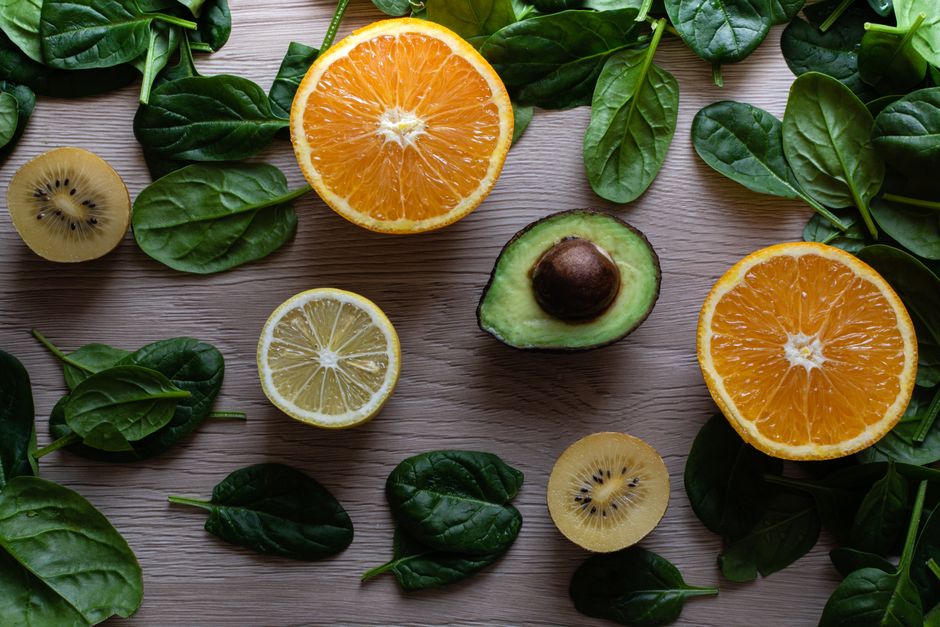
If you are looking for the single fruit with the highest concentration of vitamin C, the answer is the Kakadu plum. This small Australian native fruit contains more vitamin C by weight than any other fruit studied, with levels that dwarf oranges and kiwis. However, because the Kakadu plum is rarely found in your local grocery store, the practical answer for most people is different. For everyday eating, guava and kiwifruit are the most vitamin C-rich fruits you will actually find on supermarket shelves.
How Much Vitamin C Do You Actually Need?
Before comparing fruits, it helps to know the target. The recommended daily allowance for vitamin C is 75 mg for adult women and 90 mg for adult men. Smokers need an additional 35 mg per day because smoking increases oxidative stress and depletes vitamin C faster.
Most people meet this goal easily. A single orange provides about 70 mg. One kiwifruit provides around 64 mg. A cup of sliced guava provides over 200 mg. The real question is not whether you get enough, but which fruits give you the most for your effort.
What Fruit Has The Most Vitamin C Per Serving?
When measured per 100 grams of fruit, the ranking changes depending on whether you count exotic fruits or only common ones. Here is the honest breakdown.
Kakadu plum leads all fruits with roughly 2,300 to 3,100 mg per 100 grams. That is 30 to 40 times the vitamin C of an orange. This fruit grows wild in Northern Australia and has been used by Aboriginal communities for thousands of years. It is now appearing in powders and supplements, but the fresh fruit is almost impossible to buy outside Australia.
Among fruits you can actually purchase, guava is the clear winner. A 100-gram serving of raw guava contains about 228 mg of vitamin C. That is more than double the amount in an orange and nearly four times the daily requirement for an adult man.
Kiwifruit comes next among common fruits, with about 93 mg per 100 grams. One medium kiwifruit gives you roughly 64 mg, which covers most of your daily need in a single serving.
Common Fruits Ranked by Vitamin C Content
Here is how everyday fruits compare per 100 grams of raw fruit. These values come from standard USDA food composition data.
| Fruit | Vitamin C per 100g | Approx. Daily Value Covered |
|---|---|---|
| Kakadu plum | 2,300–3,100 mg | 2,500–3,400% |
| Guava | 228 mg | 253% |
| Kiwifruit | 93 mg | 103% |
| Strawberries | 59 mg | 65% |
| Orange | 53 mg | 59% |
| Lemon | 53 mg | 59% |
| Grapefruit | 31 mg | 34% |
| Mango | 36 mg | 40% |
| Pineapple | 48 mg | 53% |
| Banana | 8.7 mg | 10% |
| Apple | 4.6 mg | 5% |
Notice that oranges are not the top fruit. They are solid and reliable, but they sit in the middle of the pack. Guava and kiwifruit give you more vitamin C per bite. Apples and bananas provide very little.





Why Cooking and Storage Matter
Vitamin C is water-soluble and sensitive to heat. It breaks down when exposed to high temperatures, light, and air. This means the way you prepare fruit changes how much vitamin C you actually absorb.
Fresh, raw fruit always contains the most vitamin C. Cooking fruit reduces the amount significantly. Boiling is the worst method because vitamin C leaches into the water. Steaming causes less loss, but still reduces levels. Dried fruit loses most of its vitamin C during the drying process, which is why dried mango has far less vitamin C than fresh mango.
Storage time also matters. Vitamin C degrades slowly over days after harvest. A fruit that has sat in your refrigerator for two weeks contains less vitamin C than one bought fresh. This is not a reason to avoid stored fruit — the difference is modest — but it explains why seasonal, locally grown fruit often has higher nutrient levels than imported fruit that traveled long distances.
What About Camu Camu and Acerola?
You may have heard of camu camu or acerola cherries. These are real fruits with extremely high vitamin C content. Camu camu contains about 2,000 mg per 100 grams. Acerola contains about 1,677 mg per 100 grams. Both exceed guava by a wide margin.
However, these fruits are rarely eaten fresh. They grow in the Amazon and are typically processed into powders, juices, or supplements. The processing itself may reduce vitamin C content. More importantly, no large human trials have confirmed that these concentrated powders provide health benefits beyond what ordinary vitamin C-rich fruits provide. They are not harmful, but they are not magic. If you enjoy the taste, they are fine. If you are looking for vitamin C, a fresh guava or kiwifruit is just as effective and far cheaper.
Does High Vitamin C Fruit Prevent Colds?
This is one of the most persistent health myths. Research consistently shows that taking vitamin C does not prevent colds in the general population. A large body of evidence from controlled trials has found no reduction in cold incidence among people who take vitamin C regularly.
There is one exception. People under extreme physical stress — such as marathon runners, skiers, and soldiers in subarctic conditions — do experience about half as many colds when taking vitamin C. For the average person, however, vitamin C does not stop you from catching a cold.
What vitamin C may do is shorten a cold slightly. Some studies suggest regular supplementation reduces cold duration by about 8% in adults. That translates to roughly half a day less illness per cold. This is a modest effect, not a cure. Eating vitamin C-rich fruit is still good for you, but it will not keep you from getting sick.
Can You Take Too Much Vitamin C?
Your body excretes excess vitamin C through urine, so toxicity is rare. The upper limit for adults is 2,000 mg per day. Above that level, you may experience digestive upset, including diarrhea, nausea, and stomach cramps.
People with kidney disease or a history of kidney stones should be cautious. High doses of vitamin C can increase oxalate levels in urine, which may raise the risk of calcium oxalate kidney stones. If you have kidney issues, talk to your doctor before taking vitamin C supplements.
Getting vitamin C from whole fruit is the safest approach. You would need to eat an unrealistic amount of fruit to reach 2,000 mg. Supplements are where people can overdo it. Stick to fruit for your vitamin C and reserve supplements for situations where a doctor recommends them.
Which Fruit Should You Actually Eat?
For most people, the best choice is the fruit you will actually eat regularly. Guava and kiwifruit are the most efficient common options. A single guava covers your entire daily requirement. One kiwifruit covers most of it.
Oranges and strawberries are still excellent choices. They provide meaningful vitamin C along with fiber and other nutrients. The difference between 53 mg and 228 mg per 100 grams matters less than whether you eat fruit consistently. A daily orange is far better than an occasional guava.
Here is a practical tip: eat the fruit raw, eat it fresh, and eat the skin when it is edible. Kiwifruit skin is completely safe to eat and contains additional fiber. Guava skin is also edible. Washing fruit thoroughly before eating removes pesticide residues and bacteria. These small habits preserve more vitamin C and add nutritional value.
Frequently Asked Questions
What fruit has the most vitamin C in the world?
The Kakadu plum has the highest vitamin C content of any fruit, with up to 3,100 mg per 100 grams. It grows wild in Australia and is rarely available fresh outside that region.
Is an orange the best source of vitamin C?
No. Guava and kiwifruit both contain more vitamin C per serving than oranges. An orange provides about 53 mg per 100 grams, while guava provides about 228 mg.
Does cooking destroy vitamin C in fruit?
Yes. Vitamin C breaks down with heat, especially during boiling. Fresh, raw fruit contains the most vitamin C, and steaming causes less loss than boiling.
Can eating high vitamin C fruit prevent colds?
No. Research shows vitamin C does not prevent colds in the general population. It may shorten a cold slightly, but it will not stop you from catching one.
