
The Mediterranean diet is widely considered a healthy way of eating, but many people are confused about what it actually allows. The foods that are not allowed on the Mediterranean diet include processed foods, added sugars, refined grains, unhealthy vegetable oils, and large amounts of red meat. These foods are either limited or avoided because they do not fit the pattern of whole, minimally processed foods that this diet emphasizes. The diet is not about strict rules—it is a general eating pattern based on how people traditionally ate in countries like Greece and Italy.
What foods are restricted on the Mediterranean diet?
The Mediterranean diet does not ban any food completely, but it strongly limits certain categories. Foods that are restricted or should be eaten only rarely include:
- Added sugars and sugary drinks
- Refined grains (white bread, white pasta, white rice)
- Trans fats and hydrogenated oils
- Highly processed foods (fast food, packaged snacks, frozen meals)
- Red meat (beef, pork, lamb) more than a few times per month
- Processed meats (bacon, sausages, deli meats)
- Vegetable oils high in omega-6, such as soybean oil, corn oil, and sunflower oil (used in many processed foods)
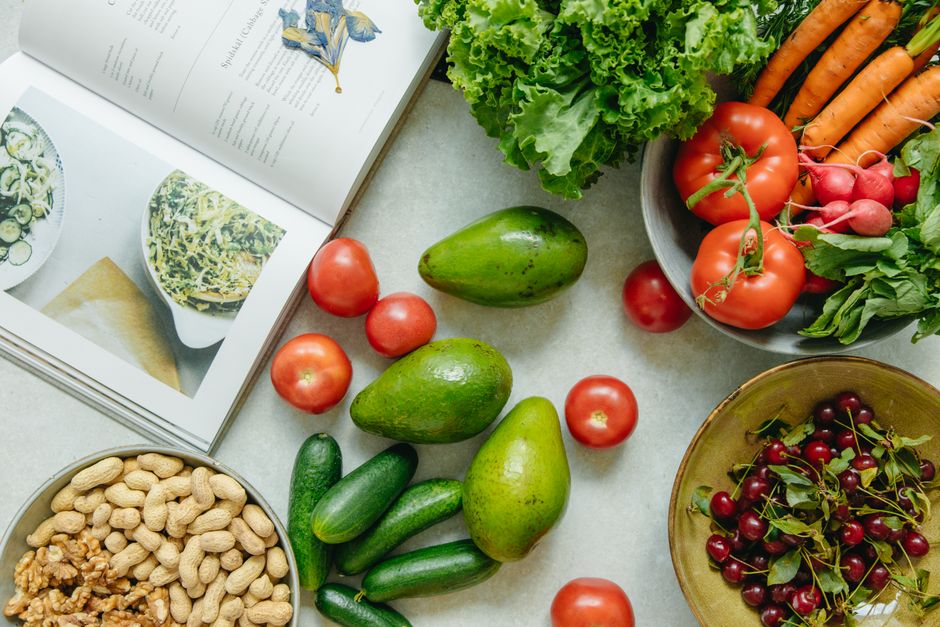
The focus is on eating mostly vegetables, fruits, whole grains, legumes, nuts, seeds, olive oil, and moderate amounts of fish and dairy. The “not allowed” foods are those that displace these healthier choices.
Why are processed foods not allowed on the Mediterranean diet?
Processed foods are the opposite of what the Mediterranean diet stands for. Traditional Mediterranean meals are made from whole ingredients prepared from scratch. Processed foods contain high levels of added sugar, sodium, unhealthy fats, and chemical additives. Research consistently shows that a high intake of ultra-processed foods is linked to weight gain, heart disease, type 2 diabetes, and other chronic conditions. The Mediterranean diet avoids these foods because they replace nutrient-dense whole foods. Even products marketed as “healthy” – like sweetened yogurts, granola bars, or flavored oatmeal – often contain added sugars and refined grains that do not fit the pattern.
What Foods Are Not Allowed On The Mediterranean Diet? (Answering the key question directly)
To be precise, the foods not allowed on the Mediterranean diet fall into a few clear categories. Added sugars are the biggest restriction: table sugar, high-fructose corn syrup, candy, soda, fruit juice with added sugar, and most desserts. Refined grains are also not part of the diet: white bread, white pasta, white rice, and most commercial baked goods. Unhealthy oils like soybean, corn, canola, and vegetable oil blends are avoided in favor of extra virgin olive oil. Red meat is not banned but is limited to a few times per month, and processed meats like ham, bacon, and salami are eaten even less often. Trans fats and hydrogenated oils are completely out. These are the core foods that a Mediterranean eating pattern simply does not include.




Is red meat completely banned on the Mediterranean diet?
No, red meat is not banned. But it is eaten much less often than in a typical Western diet. Traditional Mediterranean populations ate red meat only occasionally, often just a few times per month or for special occasions. The diet emphasizes poultry, fish, eggs, and plant-based proteins like legumes and nuts instead. Some research suggests that limiting red meat to less than one serving per week may reduce the risk of heart disease and certain cancers. However, the evidence is not strong enough to recommend complete avoidance for everyone. If you follow a Mediterranean diet, you can include small amounts of lean red meat infrequently, but it should not be a daily or even weekly staple.
What about dairy and eggs on the Mediterranean diet?
Dairy and eggs are allowed but in moderation. The traditional Mediterranean diet includes small amounts of cheese and yogurt, often from goat or sheep milk. These are eaten daily in small portions – think a slice of cheese on bread or a bowl of yogurt with fruit. Full-fat dairy is more common than low-fat, but portion sizes are small. Eggs are also permitted, usually a few per week. Some versions of the diet limit egg yolks due to cholesterol concerns, but current evidence shows that dietary cholesterol has a modest effect on blood cholesterol for most people. The key is that dairy and eggs are not the center of the meal. They are side items or occasional protein sources, not main dishes.
Can you have alcohol on the Mediterranean diet?
Moderate alcohol consumption is part of the traditional Mediterranean pattern, specifically red wine. Usually one glass per day for women and up to two for men, and always with meals. However, the evidence on alcohol is mixed. Some studies suggest that moderate red wine intake may be linked to lower rates of heart disease, possibly due to antioxidants like resveratrol. But no major health organization recommends starting to drink alcohol for health benefits, because the risks of increased cancer and liver damage outweigh any potential heart benefits for people who do not already drink. If you do not drink, there is no reason to start. If you do drink, stick to the moderate limits and always with food. Beer and spirits are less traditional but not strictly forbidden if consumed in the same moderate way.
What about grains and bread on the Mediterranean diet?
Grains are a major part of the Mediterranean diet, but only whole grains. Whole wheat, barley, oats, brown rice, quinoa, farro, and bulgur are staples. Refined grains like white bread, white rice, and regular pasta are not allowed because they lack the fiber and nutrients of whole grains. The fiber in whole grains helps with digestion, blood sugar control, and heart health. Commercial breads made from refined flour with added sugar or preservatives should be avoided. Instead, choose traditional sourdough or whole grain bread from a bakery. The key difference is that grains are eaten as whole foods, not as highly processed versions. Pasta is also fine if it is 100% whole wheat and served with vegetables and olive oil, not heavy cream sauces.
How strict do you have to be with the Mediterranean diet?
The Mediterranean diet is not a strict regimen with a checklist of forbidden items. It is a flexible eating pattern. The more you shift toward whole plant foods and away from processed and sugary foods, the more you follow the diet. Many people who say they eat a Mediterranean diet still have occasional treats like ice cream or pizza. That is fine. The diet is about overall patterns, not perfection. The health benefits seen in research come from long-term adherence, not from avoiding every single “not allowed” food forever. If most of your meals are built around vegetables, whole grains, legumes, olive oil, and fish, and you rarely eat processed foods or red meat, you are following the diet well.
It is also important to remember that the Mediterranean diet is not a weight loss diet. It is a way of eating associated with lower rates of chronic disease and longer life expectancy. The focus should be on food quality, not calorie counting.
Common misconceptions about foods not allowed on the Mediterranean diet
One common myth is that the Mediterranean diet is high in pasta and bread. In reality, traditional Mediterranean meals used pasta as a side dish or in small portions, not as the main event. Another misconception is that all oils are allowed. Many vegetable oils commonly sold in supermarkets (soybean, corn, sunflower) are heavily processed and high in omega-6 fats. The diet specifically recommends extra virgin olive oil as the main fat. Some people also think that all fish is equally healthy. The diet emphasizes fatty fish like salmon, sardines, and mackerel for their omega-3 content, not fried fish or fish sticks. Finally, many believe that dairy must be completely avoided. Small amounts of cheese and yogurt are fine – the restriction is on large quantities of cheese or milk as a beverage.
What about desserts and sweets on the Mediterranean diet?
Sugary desserts and sweets are the most clear-cut “not allowed” category. Traditional Mediterranean cultures ate sweets only on special occasions, and those sweets were often based on nuts, honey, or fruit. Modern desserts like cookies, cakes, ice cream, and candy are not part of the diet. If you want something sweet naturally, the Mediterranean approach would be to eat a piece of fresh fruit. Dates, figs, and other dried fruits can also satisfy a sweet craving in small amounts. The habit of eating dessert after every meal is not part of the traditional pattern. Instead, the meal often ends with fruit or nothing at all.
Frequently Asked Questions
Can I eat potatoes on the Mediterranean diet?
Yes, potatoes are allowed in moderation, especially if they are baked or roasted with olive oil, not fried. They are a vegetable, but they should not replace leafy greens and other nutrient-dense vegetables daily.
Is peanut butter allowed on the Mediterranean diet?
Peanuts are legumes, not tree nuts, and peanut butter is often processed with added sugar and hydrogenated oils. Choose natural peanut butter with no added ingredients, but even then it is less traditional than almond or walnut butter.
Can I drink coffee or tea on the Mediterranean diet?
Yes, black coffee and unsweetened tea are allowed and even encouraged in moderation. Avoid adding sugar or cream. Herbal teas also fit well.
Is white rice completely forbidden?
White rice is a refined grain and not recommended. If you eat rice, choose brown rice, wild rice, or other whole grains like quinoa or farro instead.
