
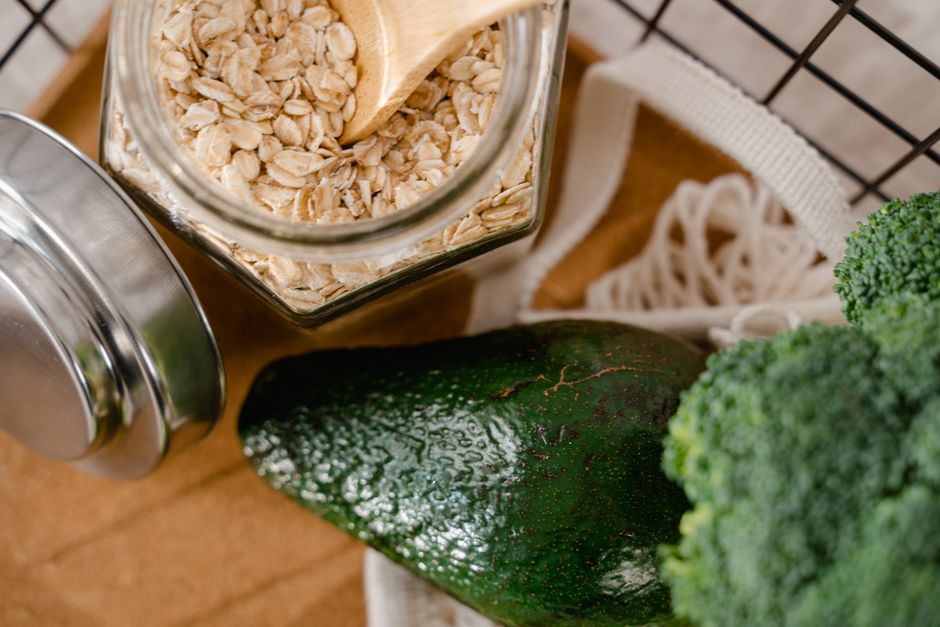
Constipation is one of the most common digestive complaints, and the foods you eat directly change how your body forms and moves stool. The most effective foods for softening stools and easing constipation are those rich in soluble fiber, insoluble fiber, and water—such as prunes, pears, oats, and leafy greens. These foods work by drawing water into the bowel and adding bulk that stimulates natural contractions, making stool softer and easier to pass.
How Does Fiber Actually Soften Stool?
Fiber is the structural part of plants that your body cannot digest. It passes through your digestive tract mostly unchanged, but it does not just ride through. Fiber changes the physical properties of your stool.
There are two main types of fiber, and they do different jobs. Soluble fiber dissolves in water to form a gel-like substance. This gel traps water in the stool, keeping it soft and bulky. Insoluble fiber does not dissolve. It adds roughage that speeds up the time food spends in the intestines.
Most plant foods contain both types, but the ratio varies. For softening hard, dry stool, soluble fiber is the primary player because it retains moisture. Insoluble fiber helps move things along faster, which prevents the colon from reabsorbing too much water and leaving stool dry.
Water is just as important as fiber. Fiber without adequate fluid can actually worsen constipation because it swells and forms a hard mass instead of a soft gel. Increasing fiber intake should always go hand in hand with increasing water intake.
Which Fruits Are Best for Softening Stool?
Fruit is often the fastest natural way to relieve constipation because it combines fiber, water, and natural sugars that draw fluid into the bowel.
Prunes are the most studied food for constipation. They contain both soluble and insoluble fiber, plus a natural compound called sorbitol. Sorbitol is a sugar alcohol that pulls water into the intestines, which softens stool and triggers a mild laxative effect. Research consistently shows prunes increase stool frequency and improve stool consistency better than psyllium fiber in some comparisons.
Pears and apples are excellent choices because they are high in pectin, a type of soluble fiber that forms a gel in the digestive tract. Eating them with the skin on adds insoluble fiber as well. The skin is where much of the fiber lives.
Kiwi has gained attention in recent studies. Some research suggests eating two kiwis daily increases bowel movements and softens stool without the cramping that some laxatives cause. The mechanism appears related to both its fiber content and an enzyme called actinidin, though the enzyme’s exact role is still being studied.
Berries, oranges, and figs also provide meaningful fiber and water. Dried fruits like apricots and raisins are concentrated sources, but they are also higher in sugar and calories, so portion size matters.
What Vegetables Help Move the Bowels?
Vegetables contribute fiber, water, and magnesium—a mineral that helps relax the intestinal muscles and draws water into the colon.
Leafy greens like spinach, kale, and Swiss chard are rich in magnesium and insoluble fiber. They add bulk without adding many calories. Cooking them reduces their volume, which makes it easier to eat a large amount in one sitting.
Broccoli and Brussels sprouts contain a specific type of fiber that supports the growth of beneficial gut bacteria. These bacteria ferment the fiber and produce short-chain fatty acids, which stimulate the muscles of the colon and encourage movement.
Squash and sweet potatoes offer a double benefit. They are high in soluble fiber, which softens stool, and they contain significant water. Eating them with the skin adds insoluble fiber for speed.
Raw vegetables are not automatically better than cooked ones. Cooking softens the plant cell walls, which can make some fiber easier to tolerate, especially for people with sensitive digestive systems. Both raw and cooked vegetables help constipation, so the best choice is the one you will actually eat consistently.



Do Whole Grains and Legumes Help?
Whole grains and legumes are among the highest-fiber foods available. They are particularly effective for constipation because they combine soluble and insoluble fiber in substantial amounts.
Oats are rich in beta-glucan, a soluble fiber that forms a thick gel. Oat bran is even more concentrated than rolled oats. A bowl of oatmeal with fruit and plenty of fluid is a practical breakfast for easing constipation.
Legumes—beans, lentils, chickpeas, and peas—are fiber powerhouses. A single cup of cooked lentils provides a large portion of the daily fiber recommendation. They also contain resistant starch, which resists digestion in the small intestine and feeds beneficial bacteria in the colon. This fermentation produces gas in some people, so increasing legume intake gradually gives your digestive system time to adapt.
Whole wheat bread and brown rice provide insoluble fiber that adds bulk. If you currently eat mostly refined grains, switching to whole-grain versions is one of the simplest dietary changes for constipation. The refining process strips away the bran and germ, which removes most of the fiber.
One caution applies to all grains and legumes: introduce them slowly. A sudden jump from low fiber to high fiber can cause bloating, gas, and abdominal discomfort. Increasing intake by a few grams per day over several weeks is a more comfortable approach.
What Foods Soften Stools And Ease Constipation Fast?
When constipation is acute and you want relief within hours, certain foods and drinks work faster than others.
Prune juice is one of the most reliable quick options. It delivers sorbitol and water directly without requiring digestion of solid fiber. Many people feel the effect within a few hours, though the exact timing varies from person to person.
Warm liquids like coffee or tea can stimulate the gastrocolic reflex—a natural response where the stomach signals the colon to move. Coffee is particularly known for this effect, and it works for some people within minutes of drinking it. The caffeine is not the only factor; even decaf coffee stimulates bowel activity.
Flaxseed works relatively quickly when ground and mixed with water. Ground flaxseed forms a gel in the digestive tract that softens stool. It must be consumed with adequate water, or it can have the opposite effect. Whole flaxseeds pass through undigested and provide little benefit, so ground is the effective form.
Chia seeds behave similarly. They absorb many times their weight in water and form a gel. Soaking them in liquid for a few minutes before eating maximizes this effect.
These fast-acting foods are not a substitute for a consistently high-fiber diet. They are tools for acute relief, not long-term solutions.
What About Water and Other Fluids?
Hydration status directly affects stool consistency. The colon actively reabsorbs water from digested food. When the body is dehydrated, the colon extracts more water, leaving stool dry, hard, and difficult to pass.
Plain water is the most effective fluid for preventing this. There is no magic amount that works for everyone, because fluid needs depend on body size, activity level, climate, and diet. A general target of about eight cups per day is reasonable for most adults, but thirst is not always a reliable indicator—especially in older adults.
Soups, broths, and watery fruits like watermelon and cucumber contribute to total fluid intake. Herbal teas count as well. Sugary drinks and alcohol can worsen dehydration, so they are not good substitutes.
One distinction matters: drinking more water only helps soften stool if you are also consuming enough fiber. Water alone passes through quickly. Fiber holds the water in the stool where it belongs.
Are There Foods That Make Constipation Worse?
Some foods can contribute to constipation, and knowing which ones helps you make better choices.
Highly processed foods—fast food, frozen meals, and packaged snacks—are typically low in fiber and high in fat. High-fat meals slow stomach emptying, which delays the entire digestive process.
Dairy products cause constipation in some people, though not everyone. The evidence is strongest for children and people with lactose intolerance or sensitivity to cow’s milk protein. If dairy is a regular part of your diet and you are constipated, reducing it for a week can clarify whether it is a trigger.
Unripe bananas contain resistant starch that can be constipating for some people. Ripe bananas, with brown spots on the skin, contain more soluble fiber and are generally easier to tolerate.
Red meat is not inherently constipating, but it often displaces fiber-rich foods on the plate. A meal built around a large portion of meat leaves less room for vegetables, fruits, and whole grains.
Iron supplements and calcium supplements are well-documented causes of constipation. If you take these and struggle with bowel regularity, discuss alternatives with your doctor rather than stopping supplements on your own.
How Quickly Will Dietary Changes Work?
Dietary changes do not work overnight. Unlike a stimulant laxative, which acts within hours, food-based approaches take time to change the environment of the colon.
Most people notice improvement within 2 to 5 days of consistently increasing fiber and fluid intake. Full benefits may take 2 to 4 weeks as your gut bacteria adjust to the new foods and your bowel habits normalize.
If you increase fiber and still have no bowel movement after 3 days, or if constipation is accompanied by severe pain, vomiting, or blood in the stool, seek medical attention. Dietary changes are appropriate for mild to moderate constipation, but they are not a substitute for medical evaluation of persistent or severe symptoms.
Frequently Asked Questions
What is the fastest food to soften stool?
Prunes or prune juice are the fastest food-based option because they contain sorbitol, which draws water into the colon and softens stool within a few hours for many people.
How much fiber do I need daily to prevent constipation?
Adults should aim for about 25 to 35 grams of fiber per day from food sources, but increase gradually to avoid bloating and gas.
Can drinking more water alone fix constipation?
No—water alone passes through quickly without fiber to hold it in the stool. Water and fiber work together, so both must increase for best results.
Are bananas good or bad for constipation?
Ripe bananas with brown spots are generally fine because their soluble fiber softens stool, while unripe green bananas can be constipating due to their resistant starch content.
