
Constipation in older adults usually comes from a mix of slowed digestion, weaker abdominal muscles, and common triggers like dehydration, low fiber intake, and certain medications. When the colon absorbs too much water or the muscles that move stool along are slow, stool becomes hard and difficult to pass. For many older adults, the problem is not one single cause but several small factors working together at the same time.
What Causes Constipation In Older Adults Key Triggers
The digestive tract naturally slows with age, but that alone rarely causes chronic constipation. The bigger triggers are lifestyle habits, medication side effects, and underlying health conditions. Dehydration is one of the most common and most overlooked causes. Many older adults lose their sense of thirst and simply do not drink enough water. When the body is short on fluid, the colon pulls extra water out of the stool, leaving it dry and hard.
Low fiber intake is another major trigger. Fiber adds bulk to stool and helps it move through the colon. A diet heavy in processed foods, meat, and refined grains often provides far less fiber than the body needs. On the other hand, suddenly adding large amounts of fiber without increasing water can make constipation worse. Both fiber and water need to increase together.
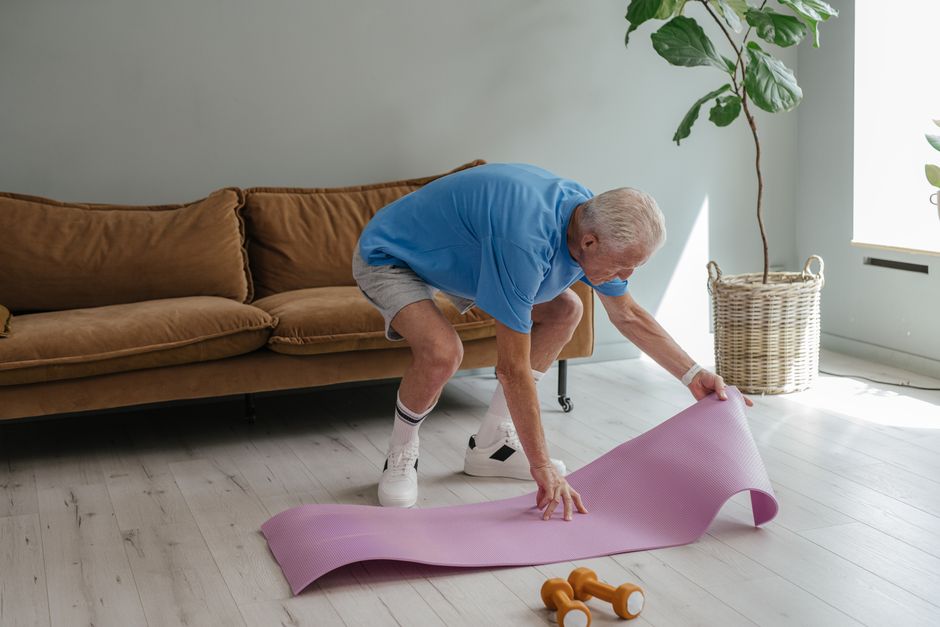
Physical inactivity also plays a role. The abdominal muscles and the muscles of the intestinal wall help push stool forward. When a person is sedentary for long periods, these muscles become weaker and less efficient. Regular walking or light exercise helps keep the digestive system active.
How Medications Contribute to Constipation
Medications are a leading cause of constipation in older adults. Some of the most commonly prescribed drugs have constipation listed as a known side effect. Opioid pain relievers are the most well-known, but many others contribute as well.
Common medication triggers include:
- Opioid pain medications
- Calcium channel blockers used for blood pressure
- Anticholinergic drugs for bladder problems or depression
- Iron supplements
- Calcium supplements
- Diuretics, which reduce fluid in the body
- Antacids containing aluminum or calcium
If constipation started around the same time a new medication was introduced, the drug is a likely suspect. Never stop a prescribed medication without talking to a doctor first. A physician may be able to switch to an alternative or adjust the dose. Some clinicians recommend a laxative or stool softener at the same time as the medication, but this should be discussed with a healthcare provider.
Medical Conditions That Slow Digestion
Several health conditions common in older adults directly affect bowel function. Diabetes can damage the nerves that control the intestines, slowing the movement of stool. Parkinson’s disease affects the autonomic nervous system, which also regulates digestion. People with Parkinson’s frequently experience severe constipation, sometimes years before other symptoms appear.
Hypothyroidism, or an underactive thyroid, slows down many body systems, including digestion. When thyroid hormone levels are low, the entire digestive tract moves more slowly. Treating the thyroid condition often improves constipation.
Neurological conditions such as multiple sclerosis or a previous stroke can also impair the muscles and nerves needed for a normal bowel movement. Pelvic floor dysfunction is another important cause. This happens when the muscles at the base of the pelvis do not relax properly during a bowel movement. A person may feel the urge to go but cannot push stool out effectively.
Why Ignoring the Urge Makes Things Worse
Many older adults delay going to the bathroom. They may be away from home, busy, or have difficulty getting to a toilet quickly. Over time, ignoring the urge to have a bowel movement trains the body to stop sending the signal. The stool remains in the colon longer, more water is absorbed, and the stool becomes harder and more difficult to pass.
This can create a cycle. Hard stool is painful to pass, which makes a person avoid the bathroom even more. The longer stool stays in the colon, the harder it gets. Some older adults also develop hemorrhoids or anal fissures from straining, which adds pain and makes the problem worse.
Regular bathroom habits help break this cycle. Setting aside a consistent time each day, usually after a meal, gives the body a predictable opportunity to have a bowel movement. The natural reflex to empty the bowel is strongest after eating.
Dietary Changes That Actually Help
Increasing fiber is the most commonly recommended dietary change, but it must be done gradually. A sudden jump from low fiber to high fiber causes gas, bloating, and discomfort. The goal is to reach about 25 to 30 grams of fiber per day from food sources, though this can take several weeks to achieve.
Good fiber sources include:
- Oatmeal and whole grains
- Beans, lentils, and chickpeas
- Fruits with skin, like apples and pears
- Prunes and prune juice
- Broccoli, carrots, and leafy greens
- Nuts and seeds
Prunes are one of the few foods with solid research behind them for constipation relief. They contain both fiber and naturally occurring compounds that stimulate the bowel. Some studies suggest prunes work as well as certain over-the-counter laxatives, though the evidence base is not large.
Water intake matters just as much as fiber. Fiber without water can form a plug in the colon. Older adults should aim to drink fluids consistently throughout the day, even if they do not feel thirsty. Water is the best choice. Caffeinated drinks and alcohol can dehydrate the body and should not be counted toward daily fluid intake.
When to See a Doctor
Occasional constipation is normal and usually resolves with diet and activity changes. But certain warning signs require medical attention. Blood in the stool, unexplained weight loss, severe abdominal pain, or constipation that lasts longer than three weeks should be evaluated by a doctor.
A sudden change in bowel habits in an older adult should never be ignored. This is especially important because colon cancer becomes more common with age. A doctor may recommend a colonoscopy or other tests to rule out serious conditions.
Another reason to see a doctor is if constipation alternates with diarrhea or if a person goes many days without a bowel movement. Fecal impaction, where hard stool becomes stuck in the rectum, is a medical emergency. Symptoms include severe cramping, bloating, and the inability to pass gas or stool. This requires immediate medical treatment.
Laxatives and Over-the-Counter Options
Laxatives are widely used, but they are not all the same. They work through different mechanisms, and some are safer for long-term use than others. Bulk-forming laxatives like psyllium work by adding fiber and water to the stool. They are generally considered safe for regular use when taken with enough water.
Stool softeners like docusate are mild and work by allowing more water into the stool. The evidence for their effectiveness is actually mixed. Some research suggests they work no better than a placebo for many people, though they remain widely recommended.
Stimulant laxatives like senna or bisacodyl trigger the intestinal muscles to contract. They are effective but are not meant for daily, long-term use without medical supervision. Overuse of stimulant laxatives can cause the bowel to become dependent on them. Osmotic laxatives like polyethylene glycol draw water into the colon and are often used for more stubborn cases.
No laxative should be used daily for weeks without a doctor’s guidance. The underlying cause of the constipation needs to be identified, and laxatives only treat the symptom.
Frequently Asked Questions
How much water should an older adult drink to prevent constipation?
Most older adults need about 6 to 8 cups of fluid per day, but exact needs vary by health status and activity level. Urine that is light yellow is a practical sign of adequate hydration.
Can probiotics help with constipation in older adults?
Some studies suggest certain probiotic strains may improve stool frequency, but the evidence is not strong enough for a firm recommendation. Results vary widely between individuals and between probiotic products.
Is it normal to have a bowel movement only every three days?
Bowel habits vary from person to person, and three times a week to three times a day is considered a normal range. The concern is not frequency alone but hard stool, straining, or the feeling of incomplete emptying.
Does walking really help constipation?
Regular physical activity like walking helps stimulate intestinal movement and strengthens the muscles used for bowel movements. It is not a cure on its own but is an important part of preventing and managing constipation.
