
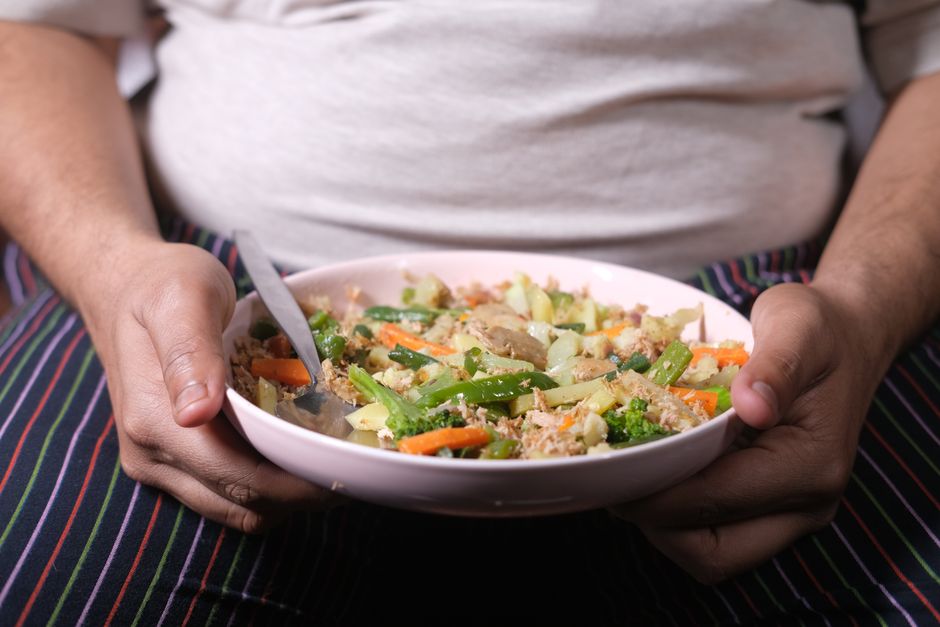
Gastritis is inflammation of the stomach lining, and what you eat directly affects how it feels. The goal is to choose foods that are gentle on the stomach and avoid foods that increase acid production or irritate the lining. A gastritis-friendly diet focuses on bland, low-acid, and low-fat options like oatmeal, lean poultry, and cooked vegetables, while avoiding spicy dishes, alcohol, and acidic fruits.
What Exactly Is Gastritis and Why Does Food Matter?
Gastritis means the protective lining of your stomach is inflamed or swollen. This lining normally shields the stomach wall from the strong acid it uses to digest food. When that lining is damaged, acid can reach the stomach wall and cause pain, burning, and discomfort.
Food does not cause gastritis by itself, but it can make symptoms worse. Certain foods trigger more stomach acid production. Others physically irritate an already inflamed lining. Learning which foods do which is the core of eating well with this condition.
The most common causes of gastritis are an infection with H. pylori bacteria, long-term use of NSAID pain relievers like ibuprofen, and excessive alcohol consumption. Stress and autoimmune conditions can also play a role. Your diet will not cure these underlying causes, but it can significantly reduce your symptoms while you get treatment.
What Foods Should You Eat With Gastritis?
Foods that are low in acid, low in fat, and easy to digest are your safest choices. These foods do not overstimulate acid production and are less likely to irritate the stomach lining.
Good options include:
- Oatmeal, rice, and whole-grain bread — These are bland, filling, and gentle on the stomach.
- Lean proteins — Skinless chicken, turkey, fish, and eggs are well tolerated. Bake, broil, or grill them instead of frying.
- Cooked vegetables — Carrots, green beans, spinach, and zucchini become easier to digest when cooked. Steaming or boiling is best.
- Non-acidic fruits — Bananas, melons, apples, and pears are lower in acid than citrus fruits.
- Low-fat dairy — Yogurt, milk, and cheese in small amounts can coat the stomach and reduce discomfort for some people.
- Ginger — Ginger has natural anti-inflammatory properties. Adding fresh ginger to tea or meals may help calm the stomach.
Smaller meals spread throughout the day are easier on the stomach than three large ones. Eating five to six small meals keeps acid from building up on an empty stomach.
What Foods Should You Avoid With Gastritis?
Some foods are known to trigger or worsen gastritis symptoms. Avoiding them can make a significant difference in how you feel day to day.
Avoid these foods:
- Spicy foods — Chili peppers, hot sauce, curry, and black pepper can directly irritate the stomach lining.
- Acidic foods — Citrus fruits like oranges, lemons, and grapefruit, as well as tomatoes, increase stomach acid.
- Fried and fatty foods — High-fat foods slow digestion and keep food in the stomach longer, which increases acid exposure.
- Alcohol — Alcohol directly damages the stomach lining and increases acid production. It is one of the most common triggers.
- Caffeine — Coffee, tea, and energy drinks stimulate acid production. If you cannot give them up entirely, reduce your intake.
- Carbonated drinks — The bubbles can distend the stomach and cause discomfort.
- Chocolate — Chocolate contains caffeine and is high in fat, both of which can worsen symptoms.
Processed meats like bacon and sausage are also best avoided. They are high in fat and preservatives that can be hard on the digestive system.



How To Eat With Gastritis Foods To Eat And Avoid: Practical Meal Tips
Knowing which foods to eat and avoid is only half the battle. How you eat matters just as much as what you eat.
Eat slowly and chew your food thoroughly. This reduces the work your stomach has to do and helps prevent overeating. Stop eating when you feel comfortably full, not stuffed.
Do not lie down within two to three hours after eating. Lying flat allows stomach acid to flow back into the esophagus, which can worsen symptoms. If you need to rest, prop yourself up with pillows.
Keep a food diary. Write down what you eat and how you feel afterward. Gastritis triggers are personal. What bothers one person may be fine for another. Tracking your meals for a couple of weeks can help you identify your specific triggers.
Stay hydrated with water throughout the day. Water helps dilute stomach acid and supports normal digestion. Aim to drink most of your fluids between meals rather than with them, which can help prevent feeling overly full.
Can Certain Foods Help Heal Gastritis?
Some foods have properties that may support healing of the stomach lining. The evidence for these is promising but not definitive. No food has been proven to cure gastritis on its own.
Probiotic-rich foods like yogurt, kefir, and fermented vegetables contain beneficial bacteria. Some studies suggest these can help balance gut flora and may support recovery, especially after H. pylori treatment. The evidence is encouraging but not conclusive.
Honey has natural antibacterial properties. Research has shown it can inhibit H. pylori growth in laboratory settings. However, clinical evidence in humans is limited, and honey is high in sugar, so it should be used in small amounts.
Garlic has been studied for its antimicrobial effects against H. pylori. Some research suggests regular consumption may help, but results are mixed. If you tolerate garlic without discomfort, it can be a healthy addition to your diet.
These foods may help, but they should be part of a broader treatment plan. If your gastritis is caused by H. pylori, antibiotics are the standard treatment. Diet alone will not eliminate the infection.
What About Drinks and Beverages?
What you drink can be just as important as what you eat. Some beverages soothe the stomach while others cause significant irritation.
Water is always the safest choice. Herbal teas, particularly chamomile and ginger tea, are also gentle and may help reduce inflammation. Green tea is generally well tolerated and contains antioxidants, though it does contain some caffeine.
Milk is a mixed story. A glass of milk can temporarily relieve gastritis pain by coating the stomach lining. However, the protein and calcium in milk can stimulate acid production after the initial relief fades. If milk helps you, drink it in small amounts and watch how you feel afterward.
Fruit juices should be approached with caution. Apple and grape juice are usually fine, but orange, grapefruit, and pineapple juice are highly acidic. Vegetable juices like carrot or cucumber are good options if you tolerate them.
Avoid all alcoholic beverages. Beer, wine, and spirits all increase stomach acid and can directly damage the stomach lining. Even small amounts can trigger symptoms.
How Long Does It Take To Feel Better?
Most people notice an improvement in symptoms within a few days of changing their diet. Full healing of the stomach lining takes longer, typically one to three weeks if the underlying cause is addressed.
If your gastritis is caused by H. pylori, you will need a course of antibiotics prescribed by a doctor. Symptoms often improve during treatment but may take a few weeks to fully resolve. If NSAIDs are the cause, stopping or switching these medications under medical supervision is essential.
If you follow a gastritis-friendly diet and your symptoms do not improve within two weeks, see a doctor. Persistent symptoms may indicate a more serious condition or a different diagnosis. Do not ignore ongoing stomach pain, especially if you notice blood in your stool or vomit, or if you are losing weight without trying.
Frequently Asked Questions
Can I eat eggs with gastritis?
Yes, eggs are generally well tolerated with gastritis. Boiled or poached eggs are gentler than fried eggs because they contain less fat.
Is yogurt good for gastritis?
Yogurt can be good for gastritis because it contains probiotics and is low in acid. Choose plain, low-fat yogurt without added sugar or fruit.
Can I drink coffee with gastritis?
Coffee is best avoided with gastritis because caffeine stimulates stomach acid production. If you must drink it, limit yourself to one small cup and avoid it on an empty stomach.
How long does a gastritis flare-up last?
A gastritis flare-up typically lasts a few days to two weeks with proper dietary changes and treatment. If symptoms last longer than two weeks, consult a doctor.
