
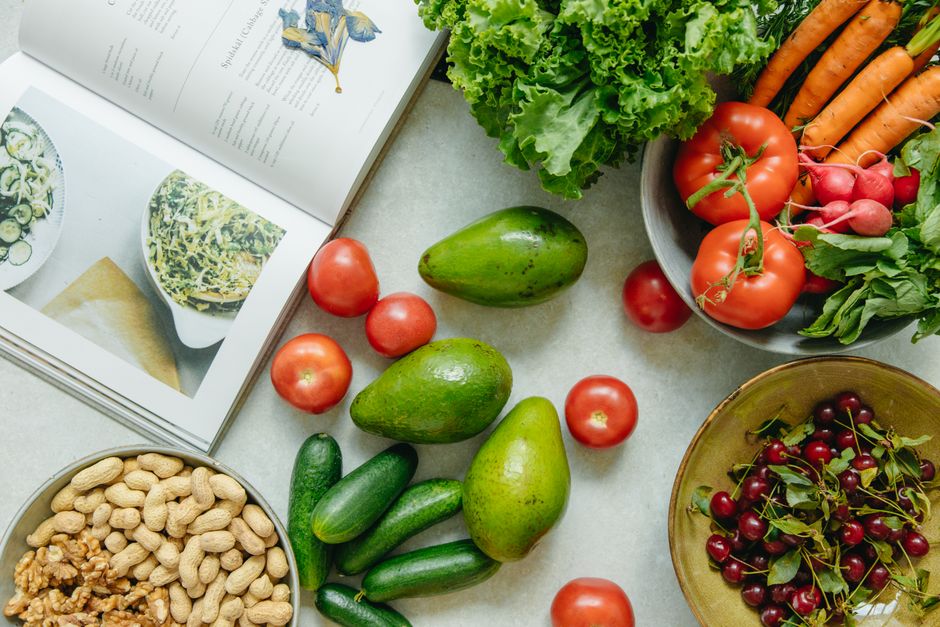
Many foods we eat daily actually started right here in North America. Before European settlers arrived, Indigenous peoples across the continent grew and harvested crops that would later spread around the world. Corn, beans, squash, and potatoes are just the beginning. This article walks through the real origins of North American foods based on archaeological evidence and botanical research.
What Foods Are Native to North America?
The list of foods native to North America is longer than most people realize. The three sisters — corn, beans, and squash — form the foundation. Indigenous farmers in Mesoamerica domesticated corn from a wild grass called teosinte around 9,000 years ago. Beans and squash followed soon after.
Sunflowers were domesticated in what is now the eastern United States around 4,000 years ago. The seeds provided oil and food. Jerusalem artichokes, also called sunchokes, are another native plant. They are not from Jerusalem and not artichokes. They are a type of sunflower grown for their edible tubers.
Pumpkins and winter squash varieties like butternut and acorn are native to North America. So are cranberries, blueberries, and Concord grapes. Wild rice is native to the Great Lakes region. Indigenous peoples harvested it by canoe for centuries before European contact.
Pecans are the only major tree nut native to North America. They grow wild from Illinois down to Texas. The word pecan comes from an Algonquian word meaning a nut that requires a stone to crack.
Did Potatoes and Tomatoes Originate in North America?
This is a common point of confusion. Potatoes and tomatoes are native to South America, not North America. The potato originated in the Andes mountains of Peru and Bolivia. Tomatoes came from Mesoamerica, specifically the region that is now Mexico.
That said, both crops traveled through North America after European contact. The first tomato plants reached Europe in the 1500s and then returned to North America with colonists. Potatoes followed a similar path. By the time they became staples in North American diets, they had already been cultivated in South America for thousands of years.
Sweet potatoes are a separate case. They are native to Central and South America. Some varieties were grown in what is now the southern United States before European contact, but the evidence is debated. Most botanists agree sweet potatoes spread northward from their original range.
| Food | Origin | Domesticated By |
|---|---|---|
| Corn | Mesoamerica (Mexico) | Indigenous peoples ~9,000 years ago |
| Beans (common) | Mesoamerica | Indigenous peoples ~7,000 years ago |
| Squash | Mesoamerica and Eastern US | Indigenous peoples ~10,000 years ago |
| Sunflowers | Eastern United States | Indigenous peoples ~4,000 years ago |
| Potato | South America (Peru/Bolivia) | Indigenous peoples ~8,000 years ago |
| Tomato | Mesoamerica (Mexico) | Indigenous peoples ~2,500 years ago |
| Blueberry | Eastern North America | Wild harvested, later cultivated |
| Pecan | Southern United States | Wild harvested, later cultivated |
What Fruits and Berries Came From North America?
North America contributed several important fruits to the global food system. Blueberries are native to eastern North America. They grow wild from Canada down to Florida. The highbush blueberry we buy in stores today was first cultivated in New Jersey in the early 1900s.
Cranberries are another native North American fruit. They grow in acidic bogs across the northern United States and Canada. Indigenous peoples used cranberries for food, medicine, and dye. The Pilgrims likely learned about them from local tribes.
Concord grapes are native to eastern North America. They were first cultivated in Concord, Massachusetts in the 1800s. The skins slip off easily, which is why they are used for jelly and juice. Most table grapes in the US come from European varieties, not native Concord grapes.
Pawpaws are the largest fruit native to North America. They taste like a cross between banana and mango. The fruit grows wild in the eastern United States but is rarely sold commercially because it bruises easily. Some farmers are now trying to bring pawpaws to market.
Persimmons are native to the eastern United States. The American persimmon is smaller and more astringent than the Asian varieties sold in grocery stores. They ripen after the first frost and have a sweet, honey-like flavor.





What Nuts and Seeds Are Native to North America?
Pecans are the most commercially important nut native to North America. The USDA reports that the United States produces over 250 million pounds of pecans annually. They grow wild in river valleys across the southern plains. Indigenous peoples traded pecans long before European contact.
Black walnuts are native to eastern North America. The nuts have a strong, earthy flavor that some people love and others find overwhelming. They are harder to crack than English walnuts, which is why they are less common in stores. Black walnut wood is also highly valued for furniture.
Hickory nuts come from several species of hickory trees native to North America. The nuts have a sweet taste similar to pecans. Indigenous peoples used hickory nuts for food and pressed the oil for cooking.
Sunflower seeds are native to North America. Indigenous peoples ground them into meal for bread and mixed them with other foods. Today sunflower seeds are a popular snack and source of cooking oil.
Pine nuts from certain pine species are native to the southwestern United States. The piñon pine produces small, flavorful nuts that have been harvested for thousands of years. They are still collected by hand in some regions.
Chia seeds are often associated with Central America, but some species are native to North America. The chia we eat today mostly comes from Salvia hispanica, which is native to Mexico and Guatemala. A related species, Salvia columbariae, is native to California and the southwestern US.
What Vegetables and Grains Originated in North America?
Corn is the most significant grain native to North America. It was domesticated in Mexico and spread northward over thousands of years. By the time Europeans arrived, corn was grown from Canada to South America. It became a staple crop worldwide after colonization.
Wild rice is not actually rice. It is a grass seed native to the Great Lakes region. Indigenous peoples harvested it by knocking seeds into canoes. Today wild rice is grown commercially in Minnesota and California. True rice comes from Asia.
Jerusalem artichokes, or sunchokes, are native to eastern North America. The tubers look like ginger root but taste like artichokes. They contain inulin, a type of fiber that can cause gas in some people. They are easy to grow and tolerate cold climates.
Squash varieties native to North America include acorn, butternut, delicata, and spaghetti squash. Pumpkins are a type of squash native to North America. They were one of the first foods European settlers learned to grow from Indigenous peoples.
Chiles and peppers are native to the Americas. Most commercial peppers like bell peppers and jalapeños originated in Central and South America. Some wild pepper species are native to the southwestern United States, but they are not the same as the domesticated varieties.
What Foods Are Commonly Mistaken as North American?
Chocolate comes from cacao beans, which are native to Central and South America. The cacao tree grows in tropical regions near the equator. It was domesticated in Mesoamerica over 3,000 years ago. Chocolate did not exist in North America north of Mexico before European contact.
Vanilla is an orchid native to Mexico and Central America. The vanilla bean comes from a climbing orchid that requires hand pollination outside its native range. Vanilla was unknown in North America until Spanish explorers brought it to Europe.
Peanuts are native to South America. They were domesticated in Bolivia and Peru thousands of years ago. Peanuts spread to North America through trade and colonization. They are now a major crop in the southern United States.
Strawberries as we know them are a hybrid of a North American species and a South American species. The modern garden strawberry was first bred in France in the 1700s. Wild strawberries are native to North America, but they are much smaller than the ones in grocery stores.
Maple syrup is often thought of as a North American food, and it is. But the question is about foods that originated here. Maple trees are native to eastern North America, and Indigenous peoples made maple syrup long before Europeans arrived. So maple syrup does count as originating in North America.
Frequently Asked Questions
Is corn native to North America?
Yes, corn was domesticated in Mexico from a wild grass called teosinte around 9,000 years ago. It spread throughout North America before European contact.
Are potatoes native to North America?
No, potatoes are native to South America, specifically the Andes region of Peru and Bolivia. They were introduced to North America after European colonization.
What is the only nut native to North America?
Pecans are the only major tree nut native to North America. They grow wild from Illinois to Texas and were harvested by Indigenous peoples for centuries.
Did blueberries come from North America?
Yes, blueberries are native to eastern North America. Highbush blueberries were first cultivated in New Jersey in the early 1900s.
