
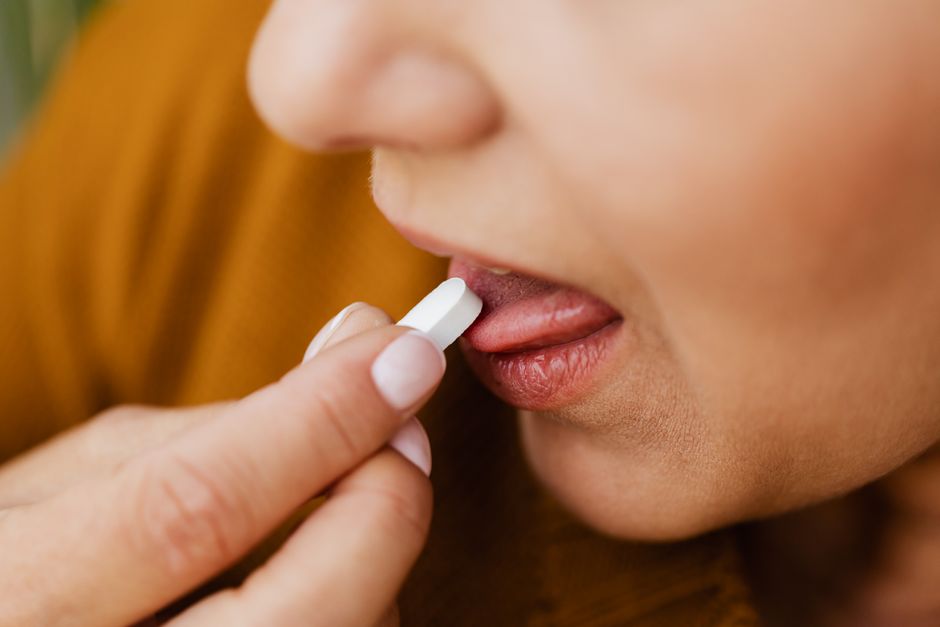
Taking two doses of ZzzQuil is not recommended, and doing so can significantly increase your risk of serious side effects. The active ingredient, diphenhydramine, is safe at its labeled dose, but doubling it does not double the benefit—it multiplies the risk. You should never exceed the dose printed on the package unless a doctor has specifically told you to do so.
What Is ZzzQuil and How Does It Work?
ZzzQuil is an over-the-counter sleep aid. Its active ingredient is diphenhydramine, which is an antihistamine. The same drug is found in many allergy medicines like Benadryl.
Diphenhydramine works by blocking histamine receptors in the brain. Histamine promotes wakefulness, so blocking it makes most people feel drowsy. This effect is why a drug designed for allergies became a common sleep medication.
The standard adult dose of ZzzQuil is 50 milligrams of diphenhydramine, taken right before bed. That is equal to two 25 mg tablets or 50 mL of the liquid version. This dose is safe for most healthy adults when used occasionally.
What Happens If You Take Two Doses?
Taking two doses means consuming 100 milligrams of diphenhydramine. That is double the recommended amount.
The immediate effect is likely to be more intense drowsiness. You may feel heavily sedated, confused, or disoriented. Some people experience blurred vision, a dry mouth, and difficulty urinating because diphenhydramine also blocks other receptors in the body.
At 100 mg, the risk of next-day impairment rises sharply. You may wake up feeling groggy, have trouble concentrating, or feel uncoordinated. This “hangover” effect can be dangerous if you drive or operate machinery the next morning.
In some people, higher doses of diphenhydramine cause the opposite of sedation. Instead of sleeping, they become agitated, restless, or experience hallucinations. This is more common in older adults but can happen at any age.
Why Doubling the Dose Is Dangerous
The safety margin for diphenhydramine is narrow. The difference between a helpful dose and a harmful dose is not large.
Taking 100 mg in a single night is generally not life-threatening for a healthy adult, but it is well outside the approved range. Serious side effects become much more likely at this level. These include rapid heart rate, seizures, and severe confusion.
Diphenhydramine is processed by the liver and excreted by the kidneys. If you have any liver or kidney issues, the drug stays in your system longer. Doubling the dose increases the chance of accumulation, which raises toxicity risk.
There is also a real danger of accidental overdose. People who take two doses often do so because the first dose did not work quickly enough. They take another dose an hour later, not realizing the first dose has not fully kicked in yet. This stacking effect can lead to very high blood levels of the drug.





What the Evidence Says About Higher Doses
Clinical guidelines do not support using more than 50 mg of diphenhydramine for sleep. Studies on the drug’s effectiveness for insomnia have consistently used the standard dose.
Some research suggests that higher doses do not improve sleep quality. The drug may help you fall asleep faster, but it can reduce the amount of deep sleep you get. Doubling the dose does not fix this trade-off—it makes it worse.
Long-term use of diphenhydramine at any dose is not recommended. The body builds tolerance quickly, meaning the same dose stops working after a few weeks. Some people then increase the dose to get the same effect, which starts a dangerous cycle.
There is no evidence that taking 100 mg of diphenhydramine is more effective for sleep than 50 mg. The risks clearly outweigh any potential benefit.
Who Is at Higher Risk of Complications?
Older adults are particularly vulnerable to the side effects of diphenhydramine. The drug is listed in the Beers Criteria, which is a list of medications that are potentially inappropriate for people over 65. It is linked to confusion, falls, and memory problems in this age group.
People with certain medical conditions should avoid diphenhydramine entirely. These include glaucoma, an enlarged prostate, asthma, and heart conditions. If you have any of these, even the standard dose may be risky.
Pregnant and breastfeeding women should not take diphenhydramine without consulting a doctor. No clinical guidelines currently support its use during pregnancy for sleep. The evidence on its safety for a developing baby is limited.
Anyone taking sedatives, anti-anxiety medications, or alcohol should not combine them with ZzzQuil. The combined effect on the central nervous system can be dangerous and may cause severe respiratory depression.
What to Do If You Already Took Two Doses
If you have already taken two doses, do not panic. For a healthy adult, a single 100 mg dose is unlikely to cause permanent harm, but you should not take any more.
Do not drive, operate heavy machinery, or make important decisions until the drug has fully worn off. The effects can last for many hours, and your judgment may be impaired even if you feel alert.
Seek emergency medical attention if you experience any of the following: difficulty breathing, a racing heart, hallucinations, seizures, or severe confusion. These symptoms suggest a more serious reaction that requires immediate care.
If you took two doses because you are in severe pain or distress, do not simply take more medication. Contact a healthcare provider for guidance specific to your situation.
Safer Alternatives for Better Sleep
If ZzzQuil is not working at the recommended dose, the answer is not to take more. It is to address the underlying cause of your sleep problem.
Poor sleep habits are the most common reason people struggle to fall asleep. Going to bed at the same time each night, keeping your bedroom dark and cool, and avoiding screens for an hour before bed are all proven strategies.
Caffeine and alcohol both disrupt sleep quality. Caffeine can stay in your system for up to eight hours. Alcohol may help you fall asleep but fragments your sleep later in the night.
If you have tried these changes and still struggle with insomnia, talk to a doctor. They can evaluate you for underlying conditions like sleep apnea, restless leg syndrome, or anxiety. These conditions require specific treatments, not higher doses of an antihistamine.
How to Use ZzzQuil Safely
If you choose to use ZzzQuil, follow these rules:
- Take only the dose printed on the package. Do not guess or estimate.
- Use it only occasionally, not every night. Do not use it for more than two weeks without medical advice.
- Allow enough time for a full night of sleep. Taking it too late in the evening may leave you drowsy in the morning.
- Never combine it with alcohol or other sedatives.
- Keep it out of reach of children. Diphenhydramine is a common cause of accidental poisoning in young children.
If you find yourself needing ZzzQuil regularly, that is a signal to seek professional help. Dependence on sleep aids, even over-the-counter ones, is a real problem. A doctor can help you find a safer, more effective long-term solution.
Frequently Asked Questions
Can you take two doses of ZzzQuil at once?
No, you should never take two doses at once. Doubling the dose significantly increases the risk of serious side effects without improving sleep quality.
Is 100 mg of diphenhydramine safe?
For most healthy adults, a single 100 mg dose is unlikely to be life-threatening, but it is not safe in the sense of being recommended. It raises the risk of confusion, rapid heart rate, and next-day impairment.
What happens if you take too much ZzzQuil?
Symptoms of too much diphenhydramine include severe drowsiness, agitation, hallucinations, a racing heart, and seizures. If you experience these after taking ZzzQuil, seek emergency medical care.
Why does ZzzQuil stop working after a few weeks?
The body builds tolerance to diphenhydramine quickly. The same dose becomes less effective as your brain adapts to the drug, which is why it is not recommended for long-term use.
