

If you want to lower your cholesterol with food, the strongest evidence points to a pattern: more soluble fiber, more unsaturated fats, less saturated fat, and as little trans fat as possible. Oats, barley, beans, lentils, nuts, and fatty fish are the foods most consistently linked to lower LDL cholesterol. The foods to limit are the ones high in saturated fat — fatty red meat, butter, full-fat dairy, and processed meats — along with anything containing trans fat and, for most people, excessive refined carbohydrates.
Cholesterol is not just about what you eat. The liver makes most of the cholesterol in your body. But diet still shifts the numbers, sometimes substantially, and food is one of the few levers you actually control.
What Foods Lower Cholesterol And Which To Avoid?
The most reliable dietary approach combines foods that actively lower LDL with a reduction in the foods that raise it. Doing one without the other usually produces weaker results.
Soluble fiber is the standout. It binds to bile acids in the gut, which forces the liver to pull cholesterol from the bloodstream to make more bile. Oats, barley, psyllium, beans, lentils, apples, and citrus fruit are all good sources. Research published in the American Journal of Clinical Nutrition has consistently linked higher soluble fiber intake to lower LDL cholesterol.
Unsaturated fats — found in olive oil, canola oil, avocados, nuts, and seeds — lower LDL when they replace saturated fat. This is a substitution effect, not an addition effect. Adding olive oil on top of a diet already high in butter does not help much. Replacing the butter with olive oil does.
Fatty fish like salmon, mackerel, sardines, and herring are rich in omega-3 fats. These lower triglycerides more reliably than they lower LDL, and some evidence suggests they may modestly raise LDL in certain people. Their main cardiovascular benefit is not primarily through LDL reduction.
On the avoid side, the clearest culprits are:
- Saturated fat above roughly 10% of daily calories — this raises LDL in most people
- Trans fats, including partially hydrogenated oils, which raise LDL and lower HDL at the same time
- Processed meats like bacon, sausage, and deli meats
- Full-fat dairy in large amounts, though the evidence here is more mixed than once believed
- Refined carbohydrates and added sugars, which mainly affect triglycerides and HDL rather than LDL directly
One clarification worth making: dietary cholesterol itself — the cholesterol found in eggs and shrimp — has a much smaller effect on blood cholesterol for most people than saturated fat does. The old advice to avoid eggs entirely has largely been revised. For people who are “hyper-responders,” eggs can still raise LDL noticeably, but that appears to be a minority.
How Does Soluble Fiber Actually Lower LDL Cholesterol?
Soluble fiber forms a gel in the digestive tract. That gel traps bile acids, which are made from cholesterol in the liver, and carries them out in stool instead of letting them be reabsorbed.
The liver then has to make new bile acids. To do that, it pulls LDL cholesterol out of the bloodstream. Over weeks, this lowers circulating LDL. It is a real physiological mechanism, well documented, not a marketing story.
Good sources include:
- Oats and oat bran
- Barley
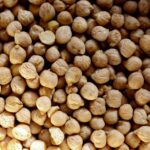
- Beans, lentils, and chickpeas
- Psyllium husk
- Apples, pears, and citrus fruit
- Brussels sprouts and carrots
Most adults in the US get well below the recommended amount of fiber. Official dietary guidance suggests roughly 25 to 38 grams of total fiber per day for adults, depending on age and sex. Most people get about half that.
Do Nuts and Seeds Really Help?
Yes, and the evidence is stronger than many people expect. Regular nut consumption is consistently associated with lower LDL cholesterol in controlled trials.
Almonds, walnuts, pistachios, pecans, and hazelnuts all show benefits. So do seeds like flaxseed and chia. The effect comes from a combination of unsaturated fats, fiber, plant sterols, and other compounds.
The catch is calories. Nuts are calorie-dense. A small handful — roughly one ounce — is a reasonable daily portion for most adults. Larger amounts can add up quickly.
Peanut butter counts, but only if it is the kind without added sugar and palm oil. Many commercial brands add both.


What About Plant Sterols and Stanols?
Plant sterols and stanols are naturally occurring compounds that block cholesterol absorption in the gut. They are added to some margarines, yogurts, and supplements.
Clinical trials have found that consuming around 2 grams per day of plant sterols can lower LDL cholesterol by a meaningful amount. This is one of the better-supported functional food ingredients.
The practical caveat: you have to eat them consistently, and the foods that contain them are often processed. Some clinicians recommend them for people with high LDL who cannot or do not want to take medication. They are not a substitute for a statin in someone at high cardiovascular risk.
Which Foods Should You Actually Avoid?
The single most important thing to cut is trans fat. It raises LDL and lowers HDL at the same time, which is the worst possible combination. The FDA banned artificial trans fats from the US food supply in 2015, with compliance deadlines that have since passed, but small amounts can still appear in some products. Check labels for “partially hydrogenated oil.”
Saturated fat is next. The evidence that replacing saturated fat with unsaturated fat lowers LDL and reduces cardiovascular risk is strong. The evidence that simply reducing total fat without changing the type is much weaker.
Foods high in saturated fat include:
- Fatty cuts of beef, pork, and lamb
- Butter, lard, and coconut oil
- Full-fat cheese and whole milk
- Processed meats
- Many baked goods and fried foods
Coconut oil deserves a specific note. It is often marketed as healthy, but it is roughly 90% saturated fat — higher than butter. Studies have found it raises LDL cholesterol compared to unsaturated oils. The evidence does not support treating it as a heart-healthy fat.
Does Diet Alone Lower Cholesterol Enough?
For some people, yes. For others, diet helps but is not sufficient, especially if LDL is very high or if there is a genetic component like familial hypercholesterolemia.
Dietary changes typically lower LDL by a modest percentage in most people. The exact amount varies widely depending on genetics, starting diet, and how strictly the changes are followed. Someone with a poor baseline diet can see larger improvements than someone already eating well.
Diet also matters independently of cholesterol numbers. A pattern rich in vegetables, fruit, whole grains, legumes, nuts, and fish is associated with lower cardiovascular risk in large observational studies, regardless of what it does to LDL.
If your LDL is high and you have other risk factors — high blood pressure, diabetes, smoking, a family history of early heart disease — diet alone may not be enough. That is a conversation to have with a clinician, not something to guess at.
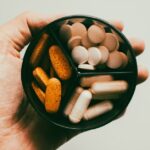
What About Supplements Marketed for Cholesterol?
Red yeast rice contains a compound chemically similar to lovastatin, a prescription statin. It can lower LDL, but the amount of active compound varies between products, and it carries the same potential side effects as statins. The FDA has warned about this.
Garlic, cinnamon, and most other supplements marketed for cholesterol have weak or inconsistent evidence. Some small studies show modest effects; larger and better-controlled trials often do not confirm them.
No supplement currently has evidence strong enough to replace a proven dietary pattern or prescribed medication. If a product claims to lower cholesterol “naturally” without mentioning diet or medication, treat that as a red flag.
How Long Before Diet Changes Show Up in Blood Tests?
Most people see measurable changes in LDL cholesterol within four to six weeks of consistent dietary change. Some effects — particularly from soluble fiber — appear within two to three weeks.
Blood tests are usually repeated at least eight to twelve weeks after a significant change, because cholesterol levels fluctuate and single readings can be misleading. A clinician typically wants to see a trend, not one number.
Consistency matters more than intensity. A moderate change you maintain for months will usually beat a strict change you abandon after three weeks.
Frequently Asked Questions
What is the single best food to lower cholesterol?
There is no single best food, but oats and barley are among the most consistently supported because of their soluble fiber content. Beans and lentils are similarly effective and also provide protein and other nutrients.
Do eggs raise cholesterol?
For most people, dietary cholesterol from eggs has a smaller effect on blood cholesterol than saturated fat does, and current guidance no longer treats eggs as a major concern for most adults. A minority of people are hyper-responders and do see LDL rise with egg intake.
Is coconut oil healthier than butter?
No. Coconut oil is roughly 90% saturated fat, which is higher than butter, and studies have found it raises LDL cholesterol compared to unsaturated oils. The evidence does not support treating it as a heart-healthy fat.
How fast can diet lower cholesterol?
Most people see measurable LDL changes within four to six weeks of consistent dietary change, with some effects from soluble fiber appearing within two to three weeks. Blood tests are usually repeated after at least eight to twelve weeks to confirm a trend.
