
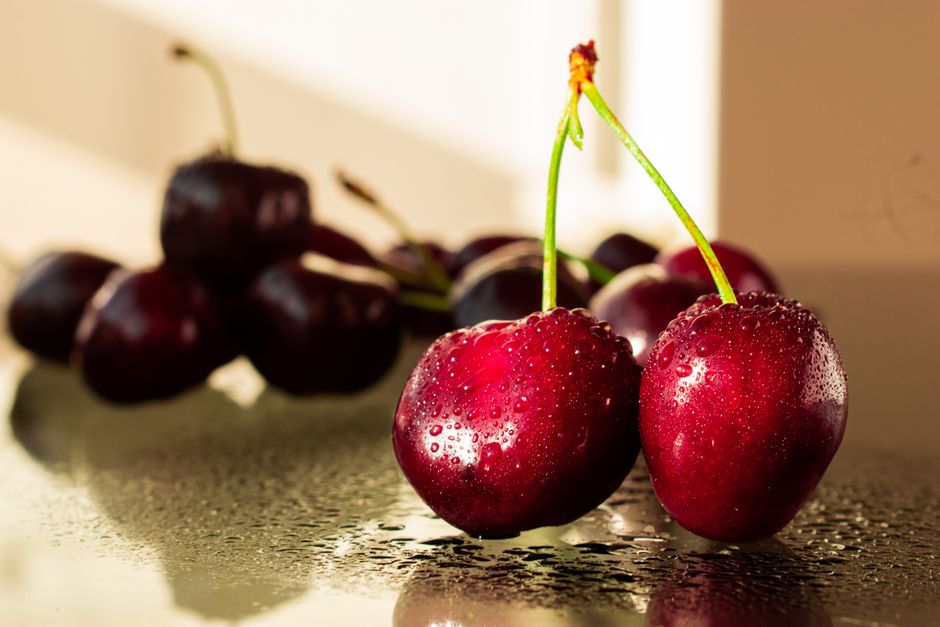
If you have heard that cherries can lower cholesterol, you are not alone. This idea has spread widely online. The short answer is that cherries may help, but the effect is modest. Research shows that eating cherries can reduce some markers of inflammation and oxidation that are linked to heart disease. However, relying on cherries alone to significantly lower LDL cholesterol is not supported by strong evidence. Let’s look at what the studies actually show.
What Are the Main Compounds in Cherries That Affect Cholesterol?
Cherries are rich in plant compounds called polyphenols. The most studied ones are anthocyanins. These give cherries their deep red color. Anthocyanins are a type of antioxidant. They help reduce oxidative stress in your body. Oxidative stress can damage blood vessels and contribute to plaque buildup.
Cherries also contain fiber. A cup of cherries has about 3 grams of fiber. Fiber is known to help lower LDL cholesterol by binding to it in the digestive tract and removing it from the body. But 3 grams is not a large amount. You would need to eat several cups daily to get a meaningful fiber effect.
Another compound is melatonin. Cherries are one of the few natural food sources of melatonin. Melatonin is mostly known for sleep, but some animal studies suggest it may also affect cholesterol metabolism. Human research on this is limited.
The key point is that cherries contain several bioactive compounds. Each one may contribute a small benefit. But no single compound in cherries is a powerful cholesterol-lowering agent on its own.
What Does Research on Cherries and Cholesterol Actually Show?
Several human studies have looked at cherry consumption and cholesterol levels. A 2018 study published in the journal Nutrients gave adults with metabolic syndrome tart cherry juice for 12 weeks. The group drinking cherry juice had lower LDL cholesterol levels compared to the placebo group. The drop was about 11 points on average. That is a real but modest change.
Another study from 2020 in the Journal of Nutrition looked at whole cherries. Participants ate about one and a half cups of cherries daily for four weeks. The researchers found a reduction in C-reactive protein, a marker of inflammation. But total cholesterol and LDL cholesterol did not change significantly. This suggests the main benefit may be anti-inflammatory rather than directly cholesterol-lowering.
A review of multiple studies published in 2021 in Critical Reviews in Food Science and Nutrition looked at all the available evidence. The authors concluded that cherries can lower LDL cholesterol by about 5 to 10 percent in people who already have high cholesterol. The effect was larger in people who were overweight or had metabolic syndrome. In people with normal cholesterol, the effect was small or absent.
What does this mean for you? If your cholesterol is already high, adding cherries may help a little. But if your cholesterol is normal, do not expect cherries to lower it further. The benefit is most noticeable in people who need it most.
Do Cherries Lower Cholesterol What The Evidence Says Compared to Other Foods?
It helps to put cherries in context. Many foods are studied for cholesterol effects. Oats, barley, and beans contain soluble fiber that can lower LDL by 5 to 10 percent. Nuts, especially almonds and walnuts, can lower LDL by about 5 percent. Fatty fish like salmon provide omega-3s that lower triglycerides. Cherries are in a similar range to these foods for their cholesterol effect.
But cherries are not as strong as some medications. Statins lower LDL cholesterol by 30 to 50 percent. Even over-the-counter supplements like plant sterols can lower LDL by 10 to 15 percent. Cherries are a food, not a treatment. They work best as part of a pattern of healthy eating, not as a standalone solution.
Here is a simple comparison table to show where cherries fit:
| Food or Intervention | Approximate LDL Reduction | Strength of Evidence |
|---|---|---|
| Statins (medication) | 30-50% | Very strong |
| Plant sterols (supplement) | 10-15% | Strong |
| Oats or barley (soluble fiber) | 5-10% | Strong |
| Cherries (whole fruit or juice) | 5-10% | Moderate |
| Nuts (almonds, walnuts) | 5% | Strong |
Notice that cherries are in the same range as oats and nuts. But the evidence for cherries is less consistent. Some studies show a clear effect. Others show no effect on LDL at all. The research is still developing.





How Should You Eat Cherries for Potential Cholesterol Benefits?
If you want to try cherries for cholesterol, whole cherries are better than juice. Whole cherries contain fiber that juice lacks. Fiber is one of the known ways that fruits help lower cholesterol. Juice also has more sugar per serving, which can raise triglycerides.
The studies that showed benefits used about one to two cups of cherries daily. That is roughly 20 to 30 cherries. You can eat them fresh, frozen, or dried. Frozen cherries are just as good as fresh because they are picked at peak ripeness and retain their polyphenols.
Tart cherries and sweet cherries both contain anthocyanins. Tart cherries have slightly higher levels of some polyphenols. But both types appear to have similar effects in studies. Choose whichever you prefer.
Dried cherries are more concentrated in sugar. A quarter cup of dried cherries has about the same sugar as a full cup of fresh. If you eat dried cherries, keep portions small. Do not rely on cherry juice cocktails that have added sugar. Look for 100 percent cherry juice with no added sweeteners.
What Are the Limitations of Cherry Research?
Most cherry studies are small. Many have fewer than 50 participants. Small studies are more likely to find effects that do not hold up in larger trials. The duration of studies is also short, usually 4 to 12 weeks. We do not know if the effects last for months or years.
Another issue is that many studies use cherry juice or cherry concentrate, not whole cherries. Juice lacks fiber and may have different effects. The amount of cherries used in studies is also higher than what most people eat daily. Eating two cups of cherries every day is a lot of fruit for most people.
Some studies are funded by cherry industry groups. This does not mean the research is wrong, but it can introduce bias. Studies funded by industry are more likely to report positive results. Independent studies are needed to confirm the findings.
Finally, the effect on LDL cholesterol is modest. Even in the studies that found a benefit, the average LDL reduction was about 5 to 10 percent. For someone with an LDL of 160 mg/dL, that is a drop to 144 to 152 mg/dL. That is a step in the right direction, but not enough to move someone out of the high-risk category in most cases.
Common Misconceptions About Cherries and Cholesterol
A common claim online is that cherries can “clean your arteries” or “reverse plaque buildup.” There is no clinical evidence for this. Plaque in arteries takes years to develop and requires significant lifestyle changes or medication to slow or reverse. No single food can do this.
Another misconception is that cherry juice is a substitute for cholesterol medication. This is not true and can be dangerous. If your doctor has prescribed a statin, do not stop taking it to try cherries instead. The effect of cherries is far too small to replace medication.
Some people believe that all varieties of cherries are equally effective. While all cherries have polyphenols, the levels vary. Some studies use concentrated cherry extracts that are much stronger than what you can buy in a store. Eating whole cherries gives you the benefits, but not at the same dose used in some research.
There is also a claim that cherries can lower cholesterol in everyone. The evidence shows that the effect is strongest in people who already have high cholesterol or metabolic syndrome. If your cholesterol is normal, cherries are unlikely to lower it further. They are a healthy food, but not a cholesterol treatment for everyone.
Frequently Asked Questions
How many cherries should I eat daily to lower cholesterol?
Most studies used about one to two cups of cherries per day. That is roughly 20 to 30 cherries.
Are tart cherries better than sweet cherries for cholesterol?
Tart cherries have slightly higher levels of some polyphenols, but both types appear to have similar effects in studies.
Can cherry juice lower cholesterol as well as whole cherries?
Whole cherries are better because they contain fiber that juice lacks. Fiber helps lower LDL cholesterol.
How long does it take for cherries to lower cholesterol?
Studies show effects in 4 to 12 weeks. The change is modest, typically a 5 to 10 percent reduction in LDL.
