
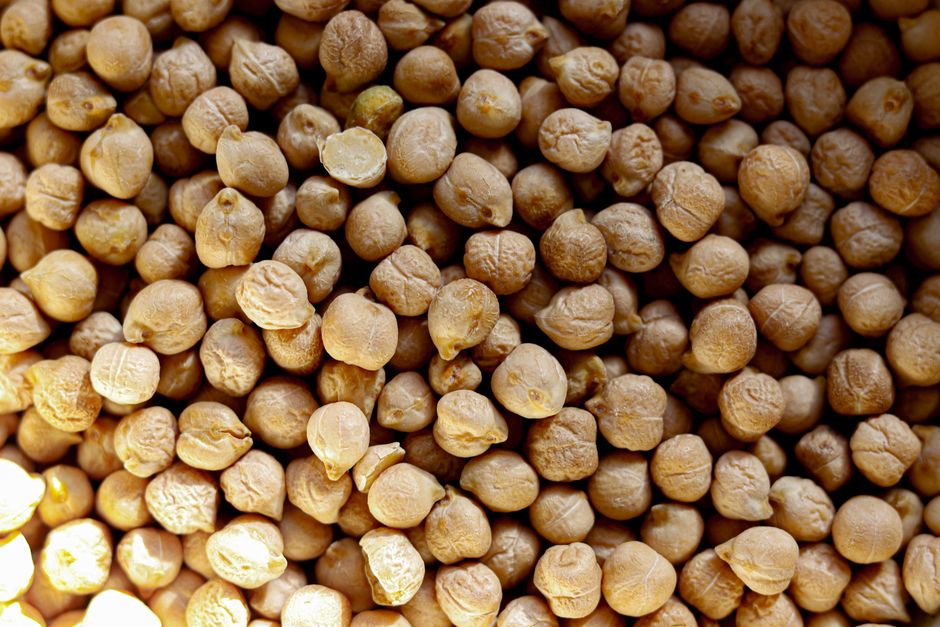
If you are choosing a bean to help lower cholesterol, the evidence points most consistently to soybeans, followed by other legumes like lentils, chickpeas, and common beans such as black, kidney, and pinto. The reason is not magic. Beans deliver soluble fiber and plant proteins that interfere with how your body handles cholesterol. Soybeans have the most research behind them, partly because they also contain compounds called isoflavones.
That said, no single bean is a drug. The effect is real but modest for most people, and it works best as part of an overall eating pattern rather than as a stand-alone fix.
Which Beans Lower Cholesterol The Most
Soybeans have the strongest and most consistent evidence for lowering LDL cholesterol, which is the “bad” cholesterol linked to heart disease risk.
Decades of research have looked at soy protein and soy foods. When people replace some animal protein with soy, LDL cholesterol tends to fall modestly. The effect is bigger in people who start with higher cholesterol levels. It is smaller in people whose cholesterol is already normal.
After soy, the broader legume family performs well. Lentils, chickpeas, black beans, kidney beans, pinto beans, and navy beans all contain meaningful amounts of soluble fiber. That fiber is the main active player for most non-soy beans.
One clarification worth making: the cholesterol-lowering power of beans comes mostly from their fiber and protein, not from any special “superfood” property. A can of black beans and a bowl of lentils are working through the same basic mechanism.
How Do Beans Actually Lower Cholesterol?
Beans lower LDL cholesterol mainly through soluble fiber, which binds to cholesterol-containing bile acids in your gut and carries them out of the body.
Here is the mechanism. Your liver makes bile acids to help digest fat. Those bile acids are built partly from cholesterol. When soluble fiber traps bile acids and they leave your body in stool, your liver has to pull more cholesterol from your bloodstream to make replacements. That lowers the cholesterol circulating in your blood.
Soybeans add a second pathway. Soy protein itself appears to reduce the liver’s production of LDL cholesterol, and soy isoflavones may play a supporting role. This is why soy often shows a slightly larger effect than beans that only supply fiber.
Beans also help indirectly. They are filling, which can help you eat less of the saturated fat and refined carbohydrates that raise cholesterol in the first place. Replacing a beef burger with a bean burger is doing two helpful things at once.
How Much Do Beans Lower Cholesterol?
The effect is real but modest. For most people, adding beans regularly to the diet lowers LDL cholesterol by a small to moderate amount, not by a dramatic margin.
I want to be honest here rather than sell you a number. The size of the drop depends heavily on your starting cholesterol, how many beans you eat, and what you were eating before. Someone who swaps processed meat for beans most days will see more change than someone who just sprinkles beans on top of an unchanged diet.
What the research consistently shows is a direction, not a guarantee. Soy protein in particular has been studied enough that major health authorities have recognized a relationship between soy protein and lower LDL cholesterol. The broader legume family shows a similar but generally smaller effect.
If your LDL is very high, beans alone will not bring it into a healthy range. They are a helpful part of the picture, not a replacement for medical treatment when treatment is needed.



Which Beans Have the Most Soluble Fiber?
Soluble fiber is the key cholesterol-lowering component in non-soy beans, and the amounts vary from bean to bean.
Most cooked beans land in a similar range, roughly a few grams of total fiber per half-cup serving, with a portion of that being soluble. Rather than chase the single highest number, it helps to understand that the differences between common beans are not large enough to matter much in practice.
Here is a general comparison of how these foods fit together:
| Food | Main cholesterol-lowering factor | Evidence strength |
|---|---|---|
| Soybeans and soy foods | Soy protein plus isoflavones plus fiber | Strongest and most consistent |
| Lentils | Soluble fiber | Good |
| Chickpeas | Soluble fiber | Good |
| Black, kidney, pinto beans | Soluble fiber | Good |
| Navy and other white beans | Soluble fiber | Good |
The takeaway is not that you need a specific bean. It is that eating beans in place of foods high in saturated fat is what moves the needle.
Are Canned Beans as Good as Dried Beans?
Canned beans deliver the same fiber and protein as dried beans, so they work just as well for cholesterol. The main difference is sodium.
Canned beans are often packed in salt, and a high-sodium diet can raise blood pressure, which matters for heart health even though it is a separate issue from cholesterol. You can reduce the sodium a lot by draining and rinsing canned beans before you eat them. Rinsing removes a meaningful share of the surface sodium.
Dried beans give you more control and usually cost less. They just take planning and time to soak and cook. If convenience is what gets you to actually eat beans, canned beans are a reasonable choice. The best bean is the one you will eat regularly.
Can Beans Replace Cholesterol Medication?
No. Beans are a food, not a treatment, and they should not replace prescribed cholesterol medication.
This matters because statins and other cholesterol medications have been shown in large trials to reduce heart attacks and strokes in people who need them. The cholesterol drop from beans is much smaller and has not been shown to produce those same hard outcomes on its own.
That does not make beans unimportant. Diet is a genuine part of managing cholesterol, and beans are one of the better foods you can add. Think of them as working alongside whatever your doctor recommends, not instead of it.
If you take medication and want to adjust your diet, that is a good conversation to have with your clinician. Never stop a prescribed medication on your own.
How Should You Add Beans to Your Diet?
Start slowly and build up. Jumping straight to a large serving of beans every day is a fast route to bloating and gas, which is the most common reason people quit.
A practical approach:
- Begin with a small serving, around a quarter to a half cup, a few times a week.
- Increase gradually over a few weeks as your gut adjusts.
- Use beans to replace something, not just add on top. Swap them for processed or red meat in a meal.
- Rinse canned beans to cut sodium.
- Drink enough water, since fiber works best with adequate fluids.
The gut gas from beans comes from compounds your body cannot fully digest, which gut bacteria ferment. Your system often adapts with time and consistent intake. If you have a digestive condition like irritable bowel syndrome, talk to your doctor or a dietitian before loading up, since beans can trigger symptoms in some people.
Do Other Foods Lower Cholesterol Too?
Beans are one part of a pattern. Several other foods have solid evidence for helping lower LDL cholesterol when they replace foods high in saturated fat.
Oats and barley contain beta-glucan, a soluble fiber with effects similar to beans. Nuts, especially almonds and walnuts, have been linked to lower LDL cholesterol in multiple studies. Plant sterols and stanols, found in some fortified foods, block cholesterol absorption in the gut. Fatty fish helps heart health through a different route, mainly by affecting triglycerides.
What ties these together is substitution. The cholesterol benefit usually comes from what you stop eating as much as what you add. Beans help most when they take the place of foods that were pushing your cholesterol up.
Frequently Asked Questions
Which bean lowers cholesterol the most?
Soybeans have the strongest and most consistent evidence for lowering LDL cholesterol, largely because of their soy protein and isoflavones. Other beans like lentils, chickpeas, and black beans also help, mainly through soluble fiber.
How much do beans lower cholesterol?
For most people the effect is modest, and the exact drop depends on your starting cholesterol and overall diet. Beans are a helpful part of a cholesterol-lowering eating pattern, not a stand-alone solution.
Are canned beans as good as dried beans for cholesterol?
Yes, canned beans provide the same fiber and protein, so they work just as well. They often contain more sodium, which you can reduce by draining and rinsing them before eating.
Can eating beans replace cholesterol medication?
No, beans should not replace prescribed cholesterol medication. They can support a heart-healthy diet alongside medical treatment, but any change to medication should only be made with your doctor.
